
Why August is a Gardener's Crossroads
August sits in a unique spot on the Indian gardening calendar. The intense heat of summer is gone, and the soil is damp from weeks of rain, which aids germination. However, this is also when monsoon-related problems peak. Heavy downpours can lead to waterlogged
soil, suffocating roots and encouraging fungal diseases. Simultaneously, overcast skies can mean insufficient sunlight for seedlings to grow strong. Therefore, August gardening is less about what you plant and more about how you manage the environment. It’s a game of balance: providing enough moisture without causing rot, and capturing every bit of available sunlight. Getting these two fundamentals right sets the stage for a bountiful harvest later in the year.
Mastering Monsoon Drainage
The single biggest threat to plants during the monsoon is root rot from waterlogged soil. Roots need oxygen to survive, and when soil is saturated, they effectively drown. The first step is to check your containers. Every pot must have drainage holes. If they are clogged, clear them out immediately. Elevating your pots on bricks or pot stands is a simple but highly effective trick to allow excess water to escape freely. The soil mix itself is your next line of defence. Heavy garden soil retains too much water. Amend it with materials like coco peat and sand or perlite to create a lighter, more porous mixture that drains quickly. For garden beds, adding a layer of gravel or broken terracotta pieces at the bottom before filling with soil can significantly improve drainage. In areas prone to heavy water collection, consider building raised beds to keep plant roots well above the saturated ground.
Chasing the August Sunlight
While rain is abundant, sunlight can be a scarce resource in August. Lack of adequate light leads to weak, leggy seedlings that are more susceptible to pests and diseases. The most straightforward solution is to be strategic about placement. Observe your garden, balcony, or terrace throughout the day and move your containers to the brightest spot, even if it only gets a few hours of direct sun. Keep plant leaves clean by gently wiping them or spraying them with water during a dry spell. A layer of dust can block light and reduce photosynthesis. Regular pruning is also crucial; trimming overgrown branches improves air circulation and allows sunlight to penetrate deeper into the plant's canopy, which also helps prevent fungal growth. For plants that are particularly sun-hungry, you can get creative by placing them near light-coloured walls that reflect sunlight.
What to Sow This Month
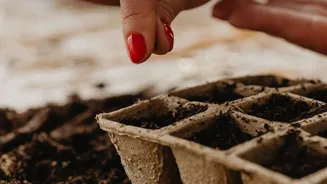
With your drainage and sunlight strategy in place, you can confidently sow a variety of vegetables and flowers. For vegetables, this is an excellent time for leafy greens and root vegetables. Consider sowing spinach, coriander, radish, carrots, and beetroot. Okra (bhindi) is a reliable monsoon crop that thrives in the humidity. It’s also a great time to start gourds like bottle gourd (lauki) and ridge gourd (turai), which can be trained up a trellis. For flowers, think ahead to the festive season. Marigolds (genda) are a perfect choice, as are zinnias, cosmos, and balsam. These flowers handle the humidity well and will provide vibrant colour as the monsoon recedes. Beans are another fast and rewarding crop to plant now, whether you choose bush varieties or climbers.
Don't Forget Pest Management
The damp and humid conditions of August are a paradise for pests like slugs, snails, aphids, and mealybugs. They multiply rapidly in moist environments. Be vigilant and check your plants regularly, especially the undersides of leaves. Simple organic solutions are often very effective. A spray made from neem oil, mild soap, and water can deter a wide range of pests. To combat slugs and snails, which come out at night, you can create a barrier of crushed eggshells around the base of your plants; they dislike crawling over the sharp texture. Encouraging beneficial insects like ladybirds by planting dill or fennel can also help keep pest populations in check naturally.