
What Exactly Is Slow Decorating?
At its heart, slow decorating is a mindful philosophy that applies the principles of slow food and slow fashion to our living spaces. It's the practice of designing your home over time, rather than completing a room in a single, frenzied shopping spree.
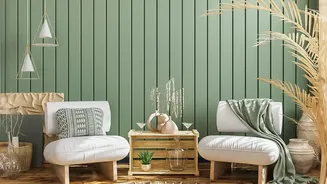
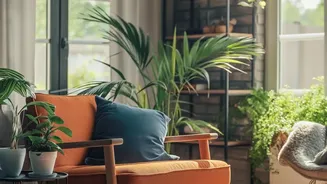
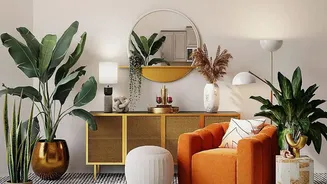
The goal is to move away from the pressure to have a 'finished' home immediately after moving in. Instead of filling every corner with fast, trend-driven furniture, this approach champions patience and intention. It's about living in your space, understanding your routines, and gradually collecting items that hold personal meaning and will stand the test of time. A slow-decorated home tells a story, feeling collected and personal rather than like a page from a catalogue.
The Problem with Rushed Decisions
The pressure to decorate quickly often leads to impulse buys and compromises. We’ve all been there: staring at an empty room and feeling an urgent need to fill it. This anxiety can lead to purchasing items just for the sake of it, resulting in a space filled with things you merely 'like' but don't 'love'. These rushed choices frequently overlook quality and functionality, leading to buyer's remorse and furniture that doesn't hold up. Furthermore, this cycle contributes to waste, as disposable, poor-quality items—often called 'fast furniture'—end up discarded when trends change or they fall apart. The central design question becomes: how do we shift our mindset from seeking instant completion to embracing the journey of creating a home?
Finding Joy in the Process
Slow decorating transforms the task of furnishing a home from a stressful race to a joyful, creative pursuit. The process encourages you to become a curator of your own life. It means waiting for that perfect armchair you spotted in a vintage shop, saving up for an artisan-made dining table, or displaying a piece of art from your travels. This approach allows a home to evolve organically with your life. By taking time, you also get to know your space on a deeper level—where the morning light hits just right, which corner becomes a natural reading nook, and how your family truly uses each room. This understanding informs better, more functional design choices that a quick makeover would miss.
Quality, Sustainability, and Personal Style
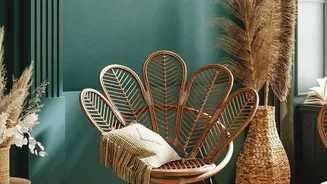
A key tenet of slow decorating is prioritizing quality over quantity. Investing in fewer, well-crafted pieces is not only more budget-friendly over the long term but also more sustainable. High-quality furniture lasts longer, reducing the environmental impact associated with throwaway culture. This philosophy naturally leads to a more unique and personal style. When you aren't chasing fleeting trends, your home becomes a reflection of your true taste, filled with a mix of new items, secondhand treasures, and family heirlooms. The result is a space that feels authentic, timeless, and deeply connected to who you are.
How to Embrace a Slower Approach
Starting with slow decorating is about a change in perspective. First, give yourself permission to have an unfinished space. Live with empty walls and open areas for a while. Create a mood board, not of things to buy, but of the feeling you want to create in a room. When you do consider a purchase, take your time. Take a picture of the item and see if you still want it a few days later. Prioritize foundational pieces first, like a quality sofa or bed, and let the smaller details come together over time. Explore local artisan markets, antique stores, and secondhand shops—places where you can find items with character and a story. Above all, trust the process and enjoy watching your home slowly but surely become a true sanctuary.