






A Different Kind of Spice
In the lush, mountainous city of Chiang Mai—Thailand’s well-established hub for culture and wellness—a subtle but significant shift is underway. The city’s famous traditional cooking schools, long a staple for European backpackers and American vacationers,
are seeing a vibrant new clientele: Indian travelers. This isn't just about a change in demographics; it's about a change in motive. School operators note that this wave of visitors is less interested in ticking off landmarks and more focused on deep, hands-on experiences. They come armed with a sophisticated palate, a genuine curiosity about regional ingredients, and a desire to connect with Thai culture through its most beloved medium: food.
Beyond Beaches and Shopping Sprees
This trend is part of a larger story about the evolution of the Indian traveler. Fueled by a growing middle class, rising disposable income, and visa-free travel policies in countries like Thailand, Indians are now one of the fastest-growing tourist markets in the world. But where a previous generation’s international trip might have centered on shopping in Dubai or sightseeing in London, today’s travelers, particularly millennials and Gen Z, are craving authenticity. They are actively seeking what the industry calls “experiential travel.” Instead of just eating Thai food, they want to learn how to make it. Instead of just seeing a temple, they want to participate in a local tradition. Chiang Mai, with its ecosystem of workshops, ethical elephant sanctuaries, and craft villages, is perfectly positioned to meet this demand.
The Common Language of the Kitchen
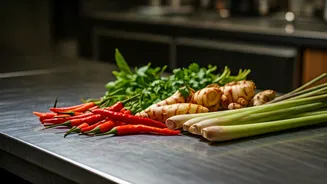
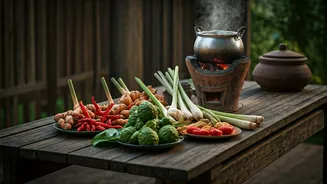
For many Indian visitors, the jump to Thai cuisine feels both exciting and intuitive. The culinary philosophies share a common ground: a love for complex spice blends, a balance of sweet, sour, salty, and spicy, and a reliance on fresh, aromatic herbs. An Indian home cook who understands the delicate balance of a garam masala can find an immediate appreciation for the craft of a Thai curry paste. Instructors at schools like Baan Thai Cookery School or Smile Organic Farm Cooking School have observed this firsthand. They report that their Indian students are often highly engaged, asking detailed questions about the difference between galangal and ginger or the specific properties of kaffir lime leaves. The mortar and pestle, a tool central to making Thai pastes, is a familiar concept, and the joy of a communal meal prepared from scratch transcends any language barrier.
From Mumbai to the Morning Market
The experience often begins long before the first pan is heated. Most high-quality Chiang Mai cooking classes include a morning tour of a local market, such as the bustling Sompet Market. Here, the educational journey becomes truly immersive. For a traveler from Mumbai or Delhi, seeing produce vendors surrounded by piles of vibrant, unfamiliar herbs and vegetables is a sensory feast. They learn to identify the small, potent Thai eggplants used in green curry and smell the distinct aroma of holy basil. This market-to-table journey frames the cooking not as a simple lesson in following a recipe, but as a holistic cultural activity. It’s a chance to understand the local ecosystem of food and to see the ingredients in their rawest, most authentic state before transforming them into a world-famous dish. This is the essence of the experiential travel that they came for—a memory that is far more lasting than a simple photograph.