




The Science of Monsoon Cravings
There’s a scientific reason behind our intense desire for fried and spicy foods when it rains. The lack of sunlight during the monsoon can cause a dip in our body's production of serotonin, the 'happy hormone'. To compensate, our bodies crave carbohydrates,
which can provide a temporary serotonin boost. This, combined with the damp, cool conditions, makes us seek out warm, crunchy foods that offer a sense of comfort and contrast to the environment. Spicy foods also play a role; the capsaicin in chillies can trigger the release of endorphins, enhancing the feeling of well-being. Essentially, these cravings are our body's way of seeking warmth, energy, and a little bit of happiness on a gloomy day.
Pakoras: The Quintessential Rainy Day Snack
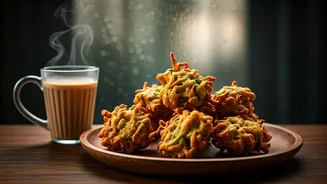
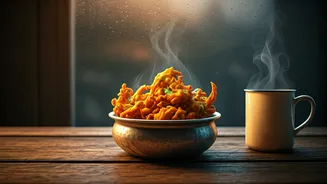
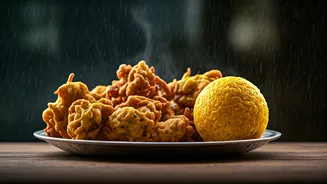
Arguably the most iconic monsoon snack, the pakora is a simple yet deeply satisfying treat. These fritters, made by coating vegetables like onions, potatoes, or spinach in a spiced gram flour (besan) batter and deep-frying them to golden perfection, are a staple in households across India. The beauty of the pakora lies in its versatility; almost any vegetable can be used, and each region has its own subtle variations. The crispy exterior gives way to a soft, flavorful inside, making it the perfect companion to a cup of hot masala chai while watching the rain fall. It's a combination that evokes nostalgia and a sense of cozy contentment.
Samosa and Chai: A Match Made in Heaven
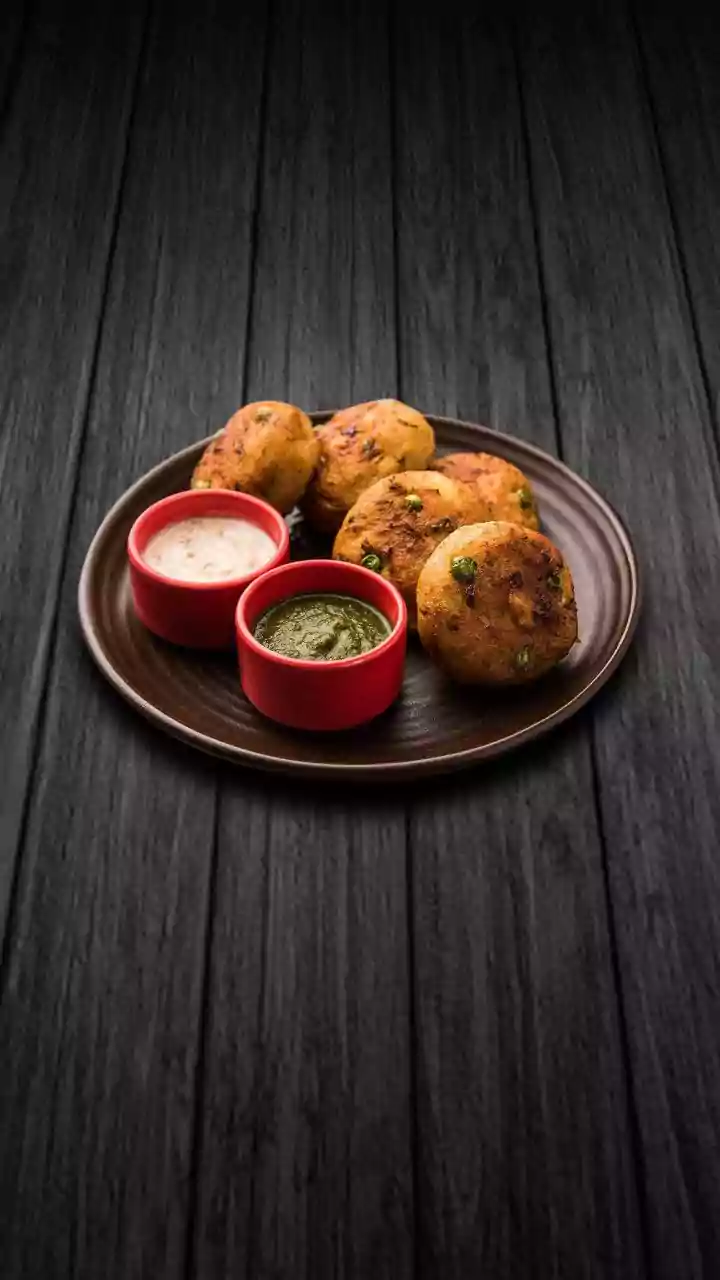
Another titan of the monsoon snack world is the samosa. This triangular pastry, filled with a savory mixture of spiced potatoes, peas, and sometimes minced meat, is a beloved street food that sees its popularity surge during the rainy season. The flaky, crispy crust provides a delightful contrast to the warm, spicy filling. Paired with tangy tamarind or mint chutney and a steaming cup of chai, it becomes more than just a snack—it’s a cherished ritual, a comforting experience that brings people together to celebrate the break from the summer heat.
Bhutta: The Scent of the Streets
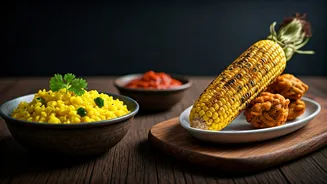
The smoky aroma of roasted corn on the cob, or bhutta, is synonymous with monsoon street food in India. Roasted over hot coals by street vendors, the corn is then rubbed with a mixture of salt, chilli powder, and a generous squeeze of lime. This simple preparation enhances the natural sweetness of the corn with a tangy, spicy kick. It’s a healthy yet incredibly flavorful snack that captures the essence of the season—simple, rustic, and enjoyed outdoors, often under the shelter of a shop awning while the rain pours down.
Ghevar: The Royal Rajasthani Treat
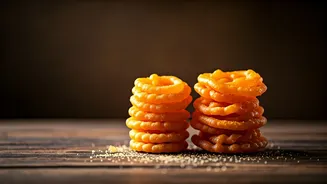
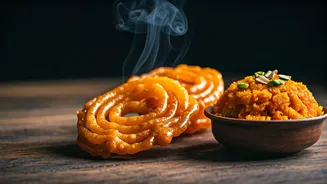
The monsoon also brings with it a unique array of sweets, none more special than Ghevar. This traditional Rajasthani dessert is a disc-shaped, honeycomb-like cake made from flour and ghee, which is then soaked in sugar syrup. The preparation of Ghevar is highly dependent on the humidity of the monsoon season, which helps it achieve its signature porous and crispy texture. Often garnished with nuts, saffron, and a layer of creamy malai (rabri), Ghevar is deeply connected to monsoon festivals like Teej and Raksha Bandhan. It’s a rich, indulgent sweet that is both a culinary masterpiece and a cultural emblem of the rainy season.
Malpua: A Sweet, Syrupy Hug
Malpua is another classic Indian dessert that shines during the monsoon. Considered one of India's oldest sweets, with references dating back to the Vedic period, it is essentially a small, deep-fried pancake soaked in sugar syrup. The batter, often made with flour, milk, and sometimes mashed bananas or fennel seeds, is fried until the edges are crisp and the center is soft. Served warm, sometimes with a topping of rabri (thickened sweet milk), Malpua is the ultimate comfort dessert—a sweet, syrupy hug on a cool, rainy day. Its rich history and regional variations make it a fascinating and delicious part of India's culinary landscape.