





The Challenge Within the Seed
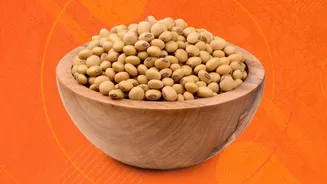
Pulses like lentils, beans, and chickpeas are nutritional powerhouses, packed with protein, fibre, and essential minerals. However, in their dry, raw state, they contain compounds known as 'anti-nutrients'. These are natural defence mechanisms for the plant,
designed to protect the seed. The main culprits are phytic acid, which can bind to minerals like iron, zinc, and calcium, preventing your body from absorbing them, and lectins, which can interfere with digestion and cause issues like gas and bloating if consumed in high amounts from raw or undercooked legumes. Another group of compounds, called oligosaccharides, are carbohydrates that can be difficult for the human gut to break down, leading to the infamous digestive discomfort associated with beans. Fortunately, Indian culinary wisdom has long employed simple techniques to neutralize these very compounds.
The Foundational Step: Soaking
The simple act of soaking pulses overnight is perhaps the most crucial first step in preparing them. This isn't just about softening them to reduce cooking time. When you soak legumes in water, you activate enzymes within the seed, such as phytase, which begins to break down the phytic acid. A significant portion of these anti-nutrients, including phytic acid and the gas-causing oligosaccharides, are water-soluble. They leach out into the soaking water. This is why it is essential to discard the soaking water and use fresh water for cooking. Soaking for 8-12 hours can reduce phytic acid by up to 60% and significantly cut down on the compounds that lead to bloating, making the pulses much gentler on your digestive system.
The Power-Up: Sprouting
Sprouting takes the benefits of soaking to the next level. Allowing soaked pulses to germinate for a day or two triggers a dramatic nutritional transformation. As the seed begins to sprout, it activates a cascade of enzymes to fuel the new plant's growth. These enzymes drastically reduce anti-nutrients like phytic acid and trypsin inhibitors, which can block protein digestion. More importantly, sprouting actually synthesizes and increases the bioavailability of nutrients. The process boosts levels of B vitamins and can even create Vitamin C, which is not present in the dry pulse. This pre-digestion process makes the proteins and carbohydrates in sprouted pulses remarkably easy for our bodies to absorb and utilize.
The Finisher: Pressure Cooking
The pressure cooker is a staple in most Indian kitchens, and for good reason. Cooking pulses under high heat and steam is highly effective at destroying heat-sensitive anti-nutrients like lectins and trypsin inhibitors, rendering them harmless. According to the Indian Council of Medical Research (ICMR), pressure cooking is one of the best ways to improve the nutritional quality of pulses by breaking down factors that hinder digestion. This process makes the proteins more available for absorption. While it's a very efficient method, it's also important not to overcook dals. Prolonged exposure to high heat can begin to degrade some of the essential amino acids, slightly diminishing their protein quality. Cooking until just tender is the perfect balance.
The Flavourful Aid: Tadka and Spices
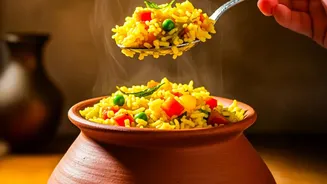
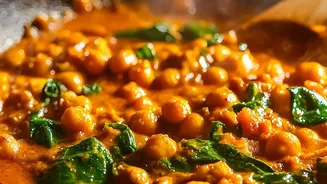
The final tempering of spices, known as tadka or vaghar, is more than just a flavour booster; it's a digestive aid. Many common Indian spices have properties that support gut health. Asafoetida, or hing, is famously added to lentil dishes specifically for its ability to reduce gas and bloating. Ginger is a well-known digestive aid that can soothe the stomach, while cumin and coriander seeds are also recognized for supporting healthy digestion and nutrient absorption. By incorporating these spices, traditional recipes add another layer of digestive support, making the final dish not only delicious but also easy on the gut.