


From Scarcity to Style
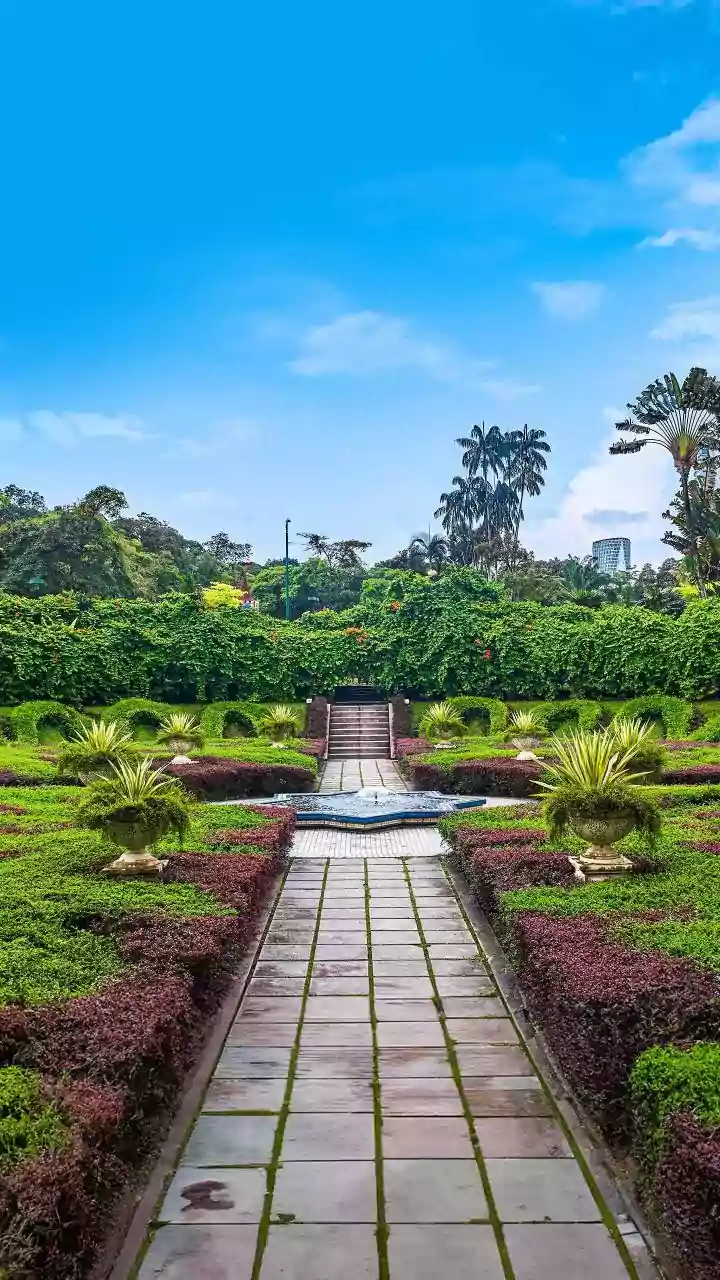
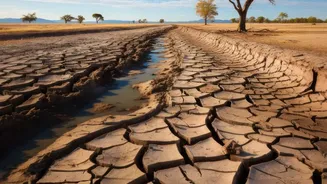
For years, the ideal garden in the popular imagination was a water-intensive English-style lawn with delicate flower beds. This model, however, is often at odds with India's climate. The low-water gardening movement reframes this. It isn’t about creating
barren landscapes of only rocks and cacti. Instead, it’s a conscious design philosophy that prioritises resilience and reduces maintenance, all while creating stunning visual appeal. This approach, also known as xeriscaping, can slash outdoor water usage by over 50 percent, turning a point of environmental stress into a source of pride and beauty. It’s about working with nature, not against it, to create a garden that thrives in local conditions.
The Right Plant, The Right Place
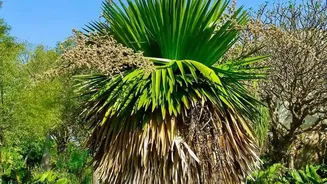
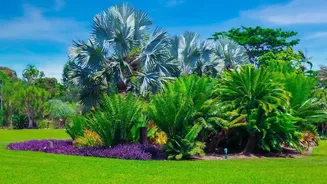
The foundation of any water-smart garden is choosing the right plants. This means embracing native and drought-tolerant species that are naturally adapted to the soil and rainfall patterns of your region. In India, this could mean celebrating the vibrant colours of Bougainvillea, the hardy elegance of the Neem tree, or the fragrant appeal of Henna and Holy Basil (Tulsi). These plants not only survive but flourish with minimal supplemental watering once established. The principle extends to grouping plants with similar water needs together, a practice known as 'hydrozoning'. This prevents overwatering some plants while others go thirsty, making your irrigation efforts far more efficient.
It All Starts With The Soil
A water-smart garden is built from the ground up. Healthy soil is the single most important factor in water conservation. Soil rich in organic matter like compost acts like a sponge, absorbing water quickly and holding it for plants to use later. This reduces runoff and evaporation. The next step is to apply a layer of mulch—such as wood chips, straw, or leaves—on top of the soil. This simple act is transformative. Mulch shades the soil from the harsh sun, further reducing water loss, suppressing weeds that compete for moisture, and keeping the soil temperature cooler.
Rethinking How We Water
The era of wasteful sprinkler systems spraying water into the air is ending. Water-smart design champions efficient irrigation. Drip irrigation systems are a cornerstone of this approach, delivering water slowly and directly to the plant's root zone where it’s needed most. This eliminates wastage from evaporation or runoff. Another key technique is deep, infrequent watering. This encourages plants to develop deeper, more resilient root systems, making them less dependent on constant surface watering. It's a shift from a little-and-often approach to a more considered, less frequent schedule that builds plant hardiness over time.
A New Vision of Beauty
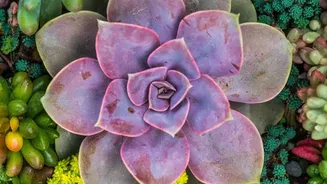
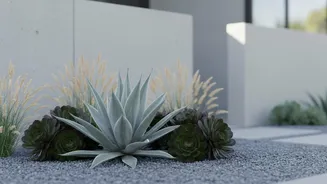
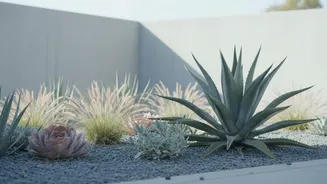
Perhaps the most significant aspect of the low-water gardening shift is how it is changing our aesthetic ideals. It moves away from a singular vision of a green lawn and encourages an appreciation for different textures, forms, and colours. A water-smart garden finds beauty in the silvery foliage of succulents, the sculptural shapes of agave, and the fine textures of ornamental grasses. It celebrates the variety found in nature itself. This approach doesn't forbid lawns, but it does ask us to be intentional, suggesting turf should be limited to areas where it is genuinely needed for recreation or specific design effects.