






A Perfect Storm of Price Pressures
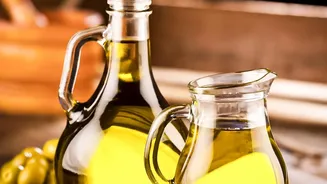
The increase in cooking oil prices isn't due to a single issue but a combination of global and domestic factors. India is the world's largest importer of vegetable oils, meeting nearly two-thirds of its demand from other countries. This heavy reliance
makes domestic prices highly sensitive to international market shifts. Several key suppliers, like Indonesia and Malaysia, are diverting more palm oil towards producing biodiesel. This policy, aimed at reducing their dependence on imported petroleum, means less palm oil is available for export as food, directly impacting India. Adding to the pressure are geopolitical conflicts, which have increased crude oil prices and, consequently, the cost of fertilizers and transport. Weather is another significant factor. An El Niño weather pattern has led to weaker monsoon rains in parts of Asia, raising concerns about future oilseed crop yields, particularly for palm oil.
The Impact on Your Festive Budget
So, what does this mean for the average household? Vegetable oil prices in India have already climbed by nearly 20% over the past year as of September 2026. With demand naturally peaking during the festive months of September through November for making traditional sweets and savouries, this price pressure is expected to continue. Oils like palm oil, soybean oil, and sunflower oil have all seen significant year-to-date gains. While the government is reportedly considering a cut in import duties to provide some relief, the benefits may be limited. A similar duty cut in May 2025 was followed by a rise in global prices, partly offsetting the intended relief for consumers. Therefore, families should brace for higher costs when stocking up on this essential ingredient.
Smart Shopping to Stretch Your Rupee
While you can't control global prices, you can adopt smarter shopping habits to mitigate the impact on your budget. First, make a detailed shopping list before you go to the store and stick to it. This prevents impulse buys and ensures you purchase only what you need. When in the store, compare prices between different brands and oil types. Sometimes, a different type of oil can work just as well for a lower price. Buying in bulk can often be cheaper per litre, but only if you have the storage space and will use the oil before it expires. Also, keep an eye out for store promotions and discounts, especially on larger containers. Don't be afraid to mix oils where appropriate; for certain dishes, a blend of a more expensive oil with a cheaper one can achieve a similar flavour without the full cost.
Frugal Cooking Techniques for the Festive Kitchen
How you cook can save as much oil as how you shop. Consider cooking methods that use less or no oil, such as steaming, baking, or air frying, as alternatives to deep-frying for some snacks. When you do fry, ensure the oil is at the correct temperature. If it's not hot enough, food will absorb more oil, making it greasy and wasting your supply. A well-seasoned cast iron pan or a good non-stick pan can significantly reduce the amount of oil needed for sautéing. Also, don't throw away clean, rendered animal fats from cooking meats like bacon or chicken; these can be strained and stored for future use, adding rich flavour to other dishes. Finally, use an oil spray bottle or a brush to coat pans and food. This technique provides a thin, even layer, using a fraction of the oil you would use when pouring directly from the bottle.