


From Viral Reel to Restaurant Bill
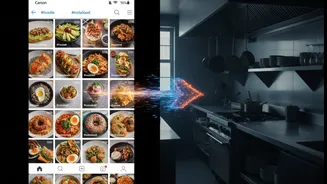
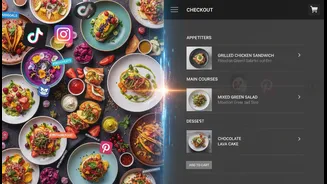
The journey of a food trend in India now moves at lightning speed. What begins as a 30-second reel on Instagram—think the Dalgona coffee craze of 2020 or the more recent obsession with jiggly milk puddings and Dubai-inspired stuffed chocolates—quickly
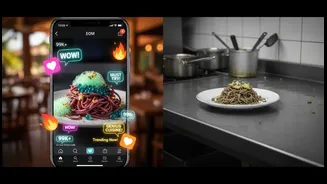
becomes a must-have item on urban café menus. This phenomenon, accelerated post-pandemic, has turned platforms like Instagram into the primary engine for food discovery, especially for younger diners. Restaurants are no longer just food businesses; they are content businesses, constantly monitoring what goes viral and racing to replicate it. The question for many restaurateurs has shifted from "Is this dish authentic?" to "Will this dish stop someone from scrolling?". This new pipeline is driven by a simple economic reality: viral dishes generate footfall, online orders, and brand visibility in a crowded market.
The Business of Going Viral
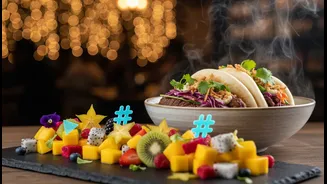
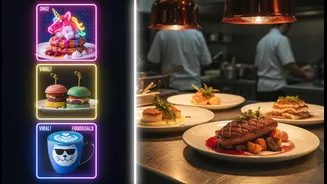
For Indian restaurants, embracing a trend is a powerful marketing tool. A limited-time viral offering can generate more online searches and first-time orders than permanent menu items. Diners often come specifically looking for the trendy dish they saw online, and then stay to explore the rest of the menu. Recognizing this, many establishments now operate with a "camera eats first" philosophy. Everything from high-contrast plating and unique textures to bright lighting and statement walls is designed to be photogenic and shareable. Some create experimental or oversized dishes, like giant burgers or fusion chaats, purely for their shock value and social media appeal. While not always practical to eat, these dishes are made for videos and serve their purpose by bringing customers through the door.
The Hidden Costs of Chasing Trends
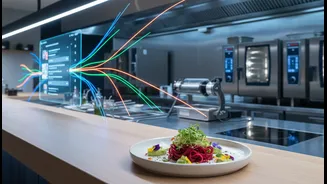
However, this high-speed innovation cycle comes with significant risks and operational pressures. The lifecycle of a social media trend is notoriously short. A dish can be a sensation one week and forgotten the next. This makes it incredibly difficult for restaurants to manage inventory, train kitchen staff, and price new items effectively. The pressure to get it right is immense; one restaurateur recalls making 2,500 pancakes over a year to perfect the 'jiggle' for videos. Viral clips often show a polished final product without revealing the technique, forcing chefs into a process of trial-and-error reverse engineering. This intense focus on aesthetics can sometimes compromise taste and quality, and the frantic pace can lead to food waste if a trend dies before the ingredients are used up.
Creativity Under Pressure
The impact on culinary creativity is a double-edged sword. On one hand, some chefs see it as a gateway to introduce unfamiliar cuisines to a curious audience. A customer who comes for a trendy Korean bun might be tempted to try other, more traditional items. On the other hand, there is a real danger of trend saturation. As celebrity chef Gary Mehigan has noted, the result can be similar dishes popping up on menus everywhere, making it hard to find unique culinary experiences. Some chefs worry that the relentless pursuit of fads stifles genuine, long-term innovation in favour of fleeting visual gimmicks. While larger chains face logistical hurdles in adapting quickly, smaller independent restaurants are often more agile, able to launch a new item in days. This speed can be a competitive advantage, but it also feeds the frenetic cycle.
What This Means for Diners
For customers, the social-to-menu pipeline offers a constant stream of novelty and excitement. It connects dining out with the dynamic world of internet culture, turning a meal into a shareable experience. However, it also shapes our choices in subtle ways. We are increasingly choosing restaurants based on how they look online and ordering dishes we’ve already seen on reels. This can create a sense of conformity, where the same matcha lattes, cube croissants, and cloud coffees appear in cafes across different cities. As chef Sanjeev Kapoor has pointed out, many of these trends fade if they can't be adapted to the Indian palate, with Dalgona coffee being a prime example of a fad that vanished as quickly as it appeared.