






The Case for Heavy Creams
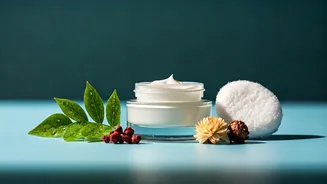
Heavy cream moisturisers are the comforting blankets of the skincare world. Their texture is thick and rich, formulated with a higher concentration of oils and fats. [9, 23] Key ingredients often include shea butter, ceramides, and various oils that act
as emollients (to soften) and occlusives (to form a protective barrier). [9, 27] This barrier is crucial as it locks in moisture and prevents transepidermal water loss (TEWL), where water evaporates from the skin. [7, 9, 22] Think of them as a nourishing meal for your skin, providing intense, long-lasting hydration. [7] They are particularly beneficial for dry, mature, and sensitive skin types that need extra support in maintaining their moisture barrier. [8, 17, 23]
The Appeal of Lightweight Gels
Lightweight gel moisturisers are the refreshing drinks of water your skin craves, especially in the heat. [7] These formulas are primarily water-based, with little to no oil, giving them a bouncy, jelly-like consistency. [3, 9] They absorb into the skin almost instantly, leaving a fresh, matte finish without any sticky or greasy residue. [1, 3, 5, 8] The stars of gel formulas are often humectants like hyaluronic acid and glycerin, which attract and hold water in the skin. [5, 9, 23] This makes them incredibly hydrating without feeling heavy. [3] Their non-clogging nature is a huge plus, making them an excellent choice for oily, combination, and acne-prone skin types. [1, 2, 4]
Let Your Skin Type Be the Deciding Factor
The single most important factor in your choice is your skin type. [10] * **For Oily or Acne-Prone Skin:** A gel moisturiser is almost always the superior choice. [2, 4] It provides necessary hydration without adding extra oil, helps control shine, and won't clog pores, which can lead to breakouts. [1, 2, 4] * **For Dry or Mature Skin:** A heavy cream is your best friend. [25, 26] These skin types naturally produce less oil and have a harder time retaining moisture. A rich cream replenishes lost lipids, supports the skin barrier, and can reduce the appearance of fine lines. [17, 25] * **For Combination Skin:** You have options. You could use a gel-cream hybrid, or even use both types in a targeted way—a gel on your oily T-zone and a cream on your drier cheeks. [9, 21] * **For Sensitive Skin:** Both can work, but the focus should be on barrier repair and fragrance-free formulas. Creams often provide more soothing barrier support, but a gentle gel can also be effective. [9]
Consider Your Climate and the Season
Your skin's needs can change dramatically with the weather. [10, 19] A moisturiser that works perfectly in June might not be enough in December. In hot, humid climates, sweat and increased oil production make lightweight gels feel more comfortable and less suffocating. [8, 11, 13] Conversely, cold, dry air and indoor heating in the winter can strip moisture from your skin, making a protective, heavy cream essential to prevent tightness and flaking. [11, 13, 17] It's wise to think of your moisturisers like a wardrobe, with lighter options for summer and richer ones for winter. [13, 16]
Texture, Finish, and Makeup Application
Beyond performance, how a moisturiser feels and looks on your skin matters. Gels provide a cooling, refreshing sensation upon application and absorb quickly, often leaving a matte or natural finish that creates a smooth base for makeup without pilling. [4, 5] Creams feel more nourishing and substantial, often leaving a dewier, more radiant finish. [9] This can be beautiful on its own, but you may need to wait a few minutes for a thicker cream to fully absorb before applying foundation.
How to Make the Final Call
If you're still unsure, don't be afraid to experiment. The best way to know how your skin will react is to patch test a new product. [14, 18] Apply a small amount to a discreet area, like behind your ear or along your jawline, and wait 24 to 48 hours to check for any signs of irritation like redness or itching. [6, 12] Remember that some products with active ingredients like retinoids or acids may cause temporary tingling, which is different from an allergic reaction. [6] Testing a new product for a few days before full-face application can prevent a potential flare-up. [12, 14]