






What Is Sleep Debt, Really?
Think of sleep debt as the difference between the amount of sleep your body needs and the amount you actually get. Most adults need seven to nine hours of quality sleep per night. When you consistently get less, you accumulate a deficit. Each hour of lost
sleep is like adding a small weight to a backpack; over a week, it becomes a heavy burden. This isn't just about feeling tired. Chronic sleep deprivation affects your mood, concentration, and even your metabolism. The concept of “pay it back” seems simple, but research shows it's not like a financial debt you can clear with one large payment. While sleeping in might make you feel more alert temporarily, it doesn't fully reverse the underlying biological consequences.
The Screen Time Complication
Here’s where our modern habits throw a wrench in the works. Spending hours in front of screens—phones, tablets, laptops, and TVs—does more than just keep us awake longer. These devices emit blue light, a specific wavelength that powerfully tricks our brains into thinking it's still daytime. This exposure suppresses the production of melatonin, the crucial hormone that signals your body it's time to wind down and sleep. Studies show that even a couple of hours of screen time in the evening can significantly delay and disrupt your natural sleep-wake cycle, also known as your circadian rhythm. It's not just the light; the content we consume, from doom-scrolling social media to playing an engaging game, keeps our brains stimulated and alert, making relaxation for sleep even harder.
Why Weekend Sleep-Ins Fall Short
A weekend lie-in might help you feel less fatigued, but it’s a temporary fix that doesn't address the core problem created by screen exposure. You can't simply “catch up” on the disrupted hormonal cycles and sleep stages. Research suggests that even after a weekend of recovery sleep, some negative effects of sleep restriction, such as impaired attention and metabolic changes, can persist. In fact, a drastic shift in your sleep schedule between weekdays and weekends can lead to a phenomenon known as “social jet lag,” further confusing your internal body clock. When you spend the week training your body to sleep late because of blue light exposure, then try to force it back to an early schedule on Monday morning, you’re fighting against a misaligned rhythm, which is why that Monday morning can feel so brutal.
Breaking the Cycle: Better Sleep Strategies
Instead of relying on a weekend catch-up that never quite works, the key is to build healthier, more consistent sleep habits throughout the week. The most effective strategy is to reduce screen time before bed. Experts recommend powering down all electronic devices at least 30 to 60 minutes, and ideally up to two hours, before you plan to sleep. Create a screen-free wind-down routine. Replace scrolling with relaxing activities like reading a physical book, taking a warm bath, light stretching, or listening to calm music. These activities help signal to your brain that it's time to rest, allowing melatonin to do its job naturally. Dim the lights in your environment as bedtime approaches to further support this process.
Make Your Bedroom a Sanctuary for Sleep
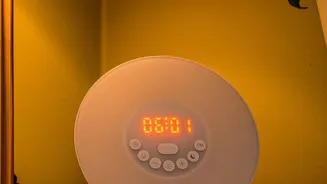
One of the best habits you can adopt is to make your bedroom a screen-free zone. This means no TV, and most importantly, no charging your phone by your bedside. The temptation to check it one last time—or if you wake up during the night—can easily sabotage your rest. If you use your phone as an alarm, consider investing in an old-fashioned alarm clock instead. By creating a strong association between your bedroom and sleep—rather than work or entertainment—you train your brain to recognize it as a place for rest. Consistency is more powerful than compensation. Sticking to a regular sleep and wake time, even on weekends, is one of the most effective ways to maintain a healthy circadian rhythm and avoid accumulating a sleep debt you can never truly repay.