


The Philosophy of the Platter
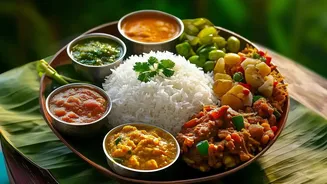
The art of creating a thali is rooted in the principle of balance. Anciently, it was designed to offer all six tastes—sweet, salt, bitter, sour, astringent, and spicy—in one meal. This ensures not just a satisfying culinary experience but also a complete
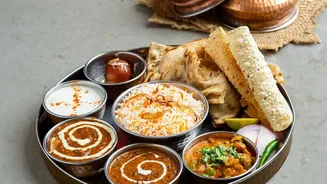
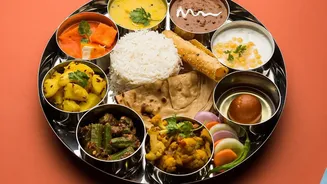
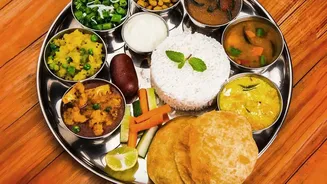
nutritional profile. A well-composed platter typically features a central grain, surrounded by various dishes in small bowls called 'katoris'. Your goal isn't just to collect dishes, but to create a harmony of flavours and textures. Think of a rich, creamy curry from the North balanced by a tangy, lighter stew from the South, with crunchy and soft elements playing their parts.
Northern Flavours: Rich and Hearty
North Indian vegetarian cuisine is known for its robust flavours, often featuring paneer, legumes, and creamy gravies. For your platter, a classic Paneer Butter Masala or Shahi Paneer offers a luxurious, mildly sweet and creamy component. To complement this, include a scoop of Dal Makhani, a slow-cooked lentil dish made with black lentils and kidney beans, known for its deep, earthy flavour. These hearty dishes provide a comforting and indulgent anchor for your platter, representing the celebrated culinary traditions of regions like Punjab and Delhi.
Western Wonders: Sweet, Savoury, and Sharp
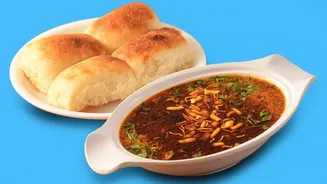
The western states of Gujarat and Maharashtra offer a unique spectrum of tastes. From Gujarat, a sweet and tangy Gujarati Kadhi is a must. This light, yoghurt-based soup is a delightful contrast to richer northern curries. Alternatively, a Dhokla, a steamed and spongy savoury cake, adds a unique texture. From Maharashtra, consider a scoop of Misal, a spicy sprouted moth bean curry, to introduce a fiery element. These dishes bring a vibrant sweet-and-sour profile that cuts through the richness of other components and adds another layer of complexity.
Southern Spice: Tangy and Aromatic
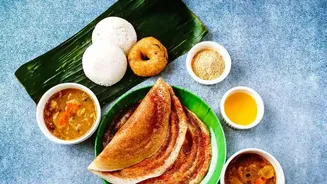
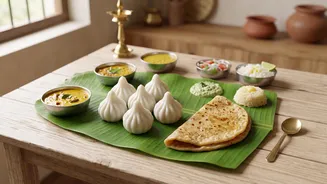
South Indian vegetarian food is celebrated for its use of rice, lentils, coconut, and a distinct tangy flavour profile. A small portion of Sambar, a tamarind-based lentil and vegetable stew, is essential. It’s both nutritious and packed with flavour. Another excellent choice is Avial, a thick medley of vegetables cooked in a coconut and yogurt gravy, a staple in Kerala. These dishes are typically lighter than their northern counterparts and bring a refreshing, tangy quality to the platter, balancing the overall meal perfectly.
Eastern Essence: Subtle and Pungent
The cuisine of Eastern India, particularly from Bengal and Odisha, often features subtle yet distinct flavours, with mustard oil being a key ingredient. A Bengali specialty like Shukto, a slightly bitter mixed vegetable curry, can offer a sophisticated counterpoint to the other tastes on the platter. Another great option is the Odiya classic, Dalma, which is a simple and nutritious dish made with lentils and vegetables, offering a wholesome, grounding element without overpowering the other dishes.
The Supporting Cast: Grains and Accompaniments
No thali is complete without its base of carbohydrates and essential accompaniments. Offer a choice of steamed basmati rice and a bread, like a soft roti or a crispy poori. A cooling Raita, made with yogurt and grated cucumber or boondi, is crucial to soothe the palate. Add a spoonful of spicy pickle (achar) for a concentrated burst of flavour and a crispy papad for texture. These small but vital elements are what transform a collection of dishes into a cohesive and satisfying meal.