





How Low Are We?
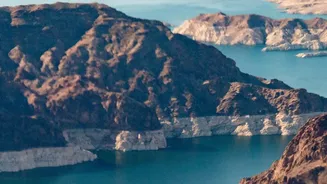
According to the latest data from the Central Water Commission (CWC), as of late September 2026, the water storage in 178 of the country's major reservoirs stood at just 70% of their total capacity. This figure is significantly below the 10-year average
of about 77% for this time of year and also lower than the 79% recorded in 2025. The situation is particularly alarming in southern India, where reservoirs are only at 50% capacity, a dramatic drop from 87% the previous year. Northern India's reservoirs have also seen a steep decline, falling to 62% from last year's 92%. This national shortfall coincides with drought declarations in parts of major states like Maharashtra and Karnataka, underscoring the severity of the situation on the ground.
The Story Behind the Shortfall
The primary cause for this precarious situation is a weak and erratic 2026 southwest monsoon, which accounts for over 70% of India's annual rainfall. The country as a whole registered a rainfall deficit of around 12-13%. Climate phenomena such as El Niño are noted for contributing to weaker monsoon winds and reduced, irregular rainfall. Instead of consistent, replenishing showers, many regions experienced long dry spells broken by intense downpours that cause rapid runoff rather than effective groundwater and reservoir replenishment. The southern peninsula and eastern India were among the hardest hit, with rainfall deficits of 23% and 26% respectively. This underperformance of the monsoon directly impacts the health of the reservoirs that are crucial for the months ahead.
A Dry Outlook for Farmers
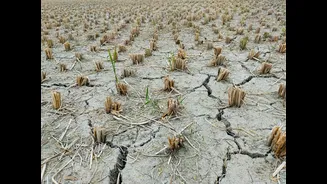
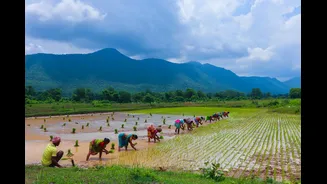
The most immediate and widespread impact of low reservoir levels is on agriculture. The deficient monsoon has already stressed the Kharif (summer) crops, with cotton, soybean, and rice facing moisture-related risks during critical growth stages. Now, the focus shifts to the upcoming Rabi (winter) crop season, which is heavily dependent on irrigation from reservoirs. With less water available, farmers may be forced to delay sowing or switch from water-intensive crops like wheat to those that require less water, such as millets and pulses. This could affect not only the total food grain output but also farmer incomes, which are already under pressure. Agricultural experts have warned that while overall sowing for Kharif crops wasn't drastically reduced, the long dry spells raise serious questions about the final yields.
Ripple Effects on Power and Taps
The consequences extend far beyond the fields. A significant portion of India's electricity is generated by hydropower plants that depend on reservoir water to function. Lower water levels mean reduced capacity for power generation, which could lead to electricity shortages and increased operational costs for industries that rely on a steady power supply. Furthermore, these same reservoirs are the primary source of drinking water for countless towns and cities. With levels dwindling, urban areas, particularly in central and southern India, could face a looming water crisis, potentially leading to rationing and other conservation measures to ensure supply through the dry summer months.
The Path Forward
The current situation is a stark reminder of India's vulnerability to unpredictable weather patterns, a challenge exacerbated by climate change. Addressing this requires a multi-pronged approach that goes beyond simply waiting for the next good monsoon. Experts point to the urgent need for more efficient water management policies. This includes promoting micro-irrigation techniques in agriculture, which can drastically reduce water consumption, and incentivizing cropping patterns that align with a region's ecological capacity. At a systemic level, enhancing rainwater harvesting, recharging groundwater aquifers, and restoring local water bodies are crucial to building long-term water security. As India's digital economy grows, even the water consumption of large data centres needs to be factored into regional planning to avoid intensifying competition for this finite resource.