





The Great Travel Reshuffle
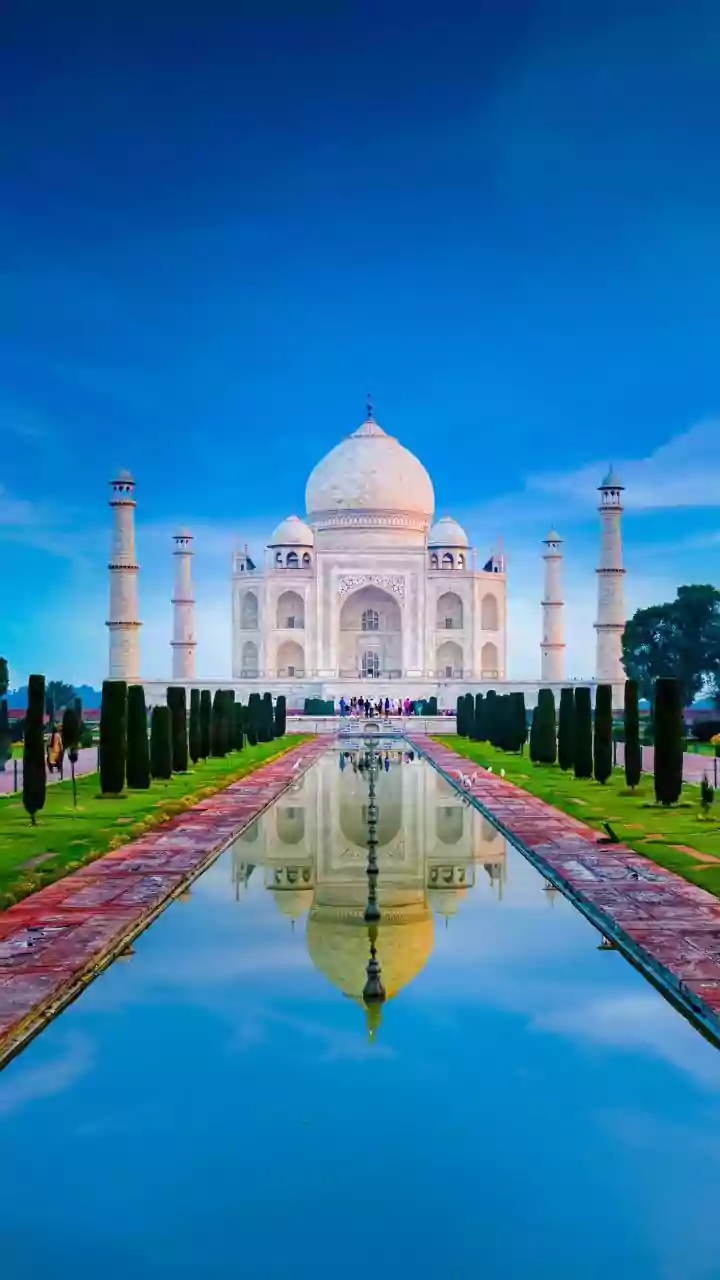
The long-standing tradition of “checklist tourism”—collecting photos at famous landmarks just to say you’ve been there—is fading. Today’s travellers, particularly those in the 18-35 age group, are seeking more than just a passive sightseeing trip. The focus
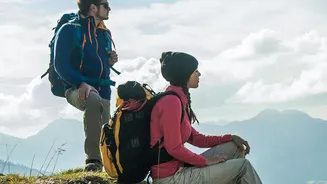
has moved from where you go to what you do when you get there. The new measure of a successful trip is no longer about the number of cities visited, but the depth of the experience. This marks a significant departure from traditional travel patterns, where price and iconic value were the main drivers. Now, travellers are looking for immersive journeys that allow them to be active participants in the cultures they visit, creating meaningful memories in the process. This shift indicates a maturing of the Indian traveller, who now often aligns with the preferences of discerning globetrotters from developed nations.
Beyond the Landmark Selfie
Several factors are fuelling this move towards experiential travel. The most significant driver is the digital world. Over 89% of Indian travellers use social media platforms like Instagram and YouTube for travel research and inspiration. While these platforms once popularised cliché photos, they now serve as discovery tools for hidden gems and unique activities, promoted by travel influencers and everyday users. This creates a desire for authentic, “Instagrammable” experiences that go beyond the usual. Secondly, there is a clear change in spending habits, with a growing number of Indians preferring to spend on experiences rather than material goods. The motivation is to create unforgettable memories, from taking a pottery workshop to snorkelling with a marine biologist. This trend is especially strong among younger travellers, with nearly 60% of experiential travel bookings coming from the 18-35 demographic. Finally, the rise of visa-free or easy e-visa access to a wider range of countries has opened up new, less-conventional destinations for exploration.
New Horizons: Where Indians Are Going
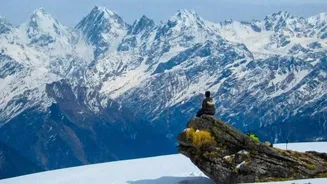
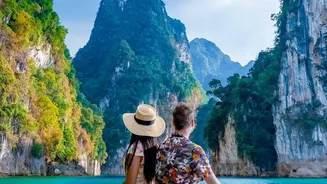
This evolving mindset is redrawing the map for Indian tourists. While London and Switzerland remain popular, there is surging interest in unconventional destinations. Instead of Western Europe, travellers are exploring the historical charm of Eastern European cities like Prague and Budapest. The northern lights in Scandinavia have become a bucket-list item, replacing another shopping trip to a crowded capital. Southeast Asia is being explored beyond its main hubs, with adventurers heading to the Philippines for canyoneering or to Vietnam for authentic cooking classes. Destinations like Azerbaijan, Georgia, and Kazakhstan are gaining popularity, thanks to their unique blend of culture and straightforward visa policies. Within India, the trend is also clear. Travellers are choosing quieter, offbeat places like Ziro Valley in Arunachal Pradesh or the serene backwaters of Dharmadam Island in Kerala over crowded hotspots like Manali and Goa. The goal is to find untouched beauty and genuine cultural encounters.
The Search for Authentic Connection
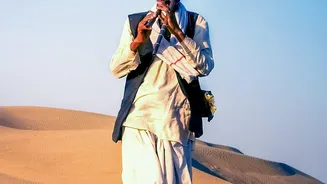
Ultimately, this shift is less about geography and more about a state of mind. The new travel currency is authenticity. Travellers are actively seeking a deeper connection with the places they visit. This translates into a preference for farm stays over luxury hotels, participating in local festivals, learning a traditional craft, or taking heritage walks led by community members. It’s about active participation rather than passive observation. The desire for self-discovery is a powerful motivator, with a significant number of travellers, including solo explorers, stating that “reconnecting with themselves” is a key goal. This quest for meaning is transforming travel from a simple vacation into a journey of personal growth and cultural understanding. The most valued souvenir is no longer a trinket, but a unique story and a lasting memory.