







More Than Just a Stroll
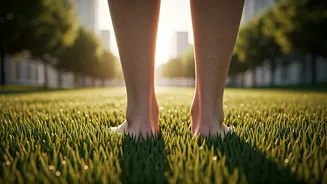
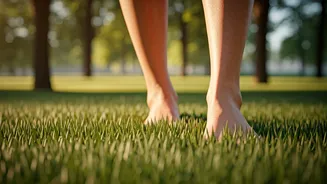
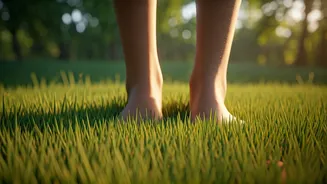
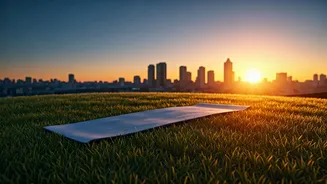
At its core, the practice is simple: making direct skin contact with the surface of the Earth. Known as 'grounding' or 'earthing,' this wellness trend is built on the idea that our bodies benefit from reconnecting with the planet's subtle electrical charge.
Proponents believe that in an era of rubber-soled shoes and insulated indoor living, we’ve become disconnected from an essential source of balance. By walking, standing, or sitting barefoot on grass, soil, or sand, practitioners claim they are absorbing free electrons from the earth, which act as natural antioxidants in the body. While it has gained a following globally, this movement is finding particularly fertile soil among a generation of young Indians navigating the pressures of hyper-modern life.
An Antidote to Urban Burnout
So, why the sudden buzz? For many young people in India's fast-paced metropolitan hubs, life is a constant hum of digital notifications, long commutes, and intense work pressure. Grounding offers a simple, free, and accessible antidote. Followers of the practice report a host of benefits, from reduced anxiety and better sleep to decreased inflammation and chronic pain. The scientific community remains divided. While some small-scale studies have suggested potential positive effects on mood, cortisol levels, and blood viscosity, many researchers argue the evidence is still preliminary and often lacks rigorous, large-scale clinical trials. Skeptics point to the powerful placebo effect of simply spending quiet time in nature, away from screens. But for its practitioners, the perceived benefits are real enough to make a 20-minute barefoot walk a non-negotiable part of their daily routine.
A Return to Cultural Roots
What makes the trend resonate so deeply in India is its seamless blend with long-standing cultural and spiritual traditions. The act of removing one’s shoes is already a deeply ingrained sign of respect—a prerequisite before entering a home or a sacred temple. Barefoot pilgrimage, or 'padayatra,' is a common act of devotion. This cultural familiarity gives the modern wellness trend an air of authenticity and timeless wisdom. It’s not seen as an imported fad from the West but as a return to ancestral knowledge. For a generation that often feels untethered from its heritage, grounding becomes a way to reconnect with 'Mother Earth'—a concept central to many Indian philosophies. It’s a physical act that taps into a deep cultural memory, making it feel both revolutionary and deeply familiar.
Fueled by the Social Feed
Naturally, the movement is being amplified by the very digital world it seeks to counter. On Instagram and TikTok, the image of bare feet on lush green grass is an aesthetic statement. It’s a visual shorthand for wellness, mindfulness, and a commitment to self-care. Wellness influencers post sun-drenched photos of their morning grounding rituals, often pairing them with captions about digital detoxes and finding balance. This transforms a personal practice into a shareable, aspirational lifestyle choice. For young Indians, it’s a way to signal their values—a rejection of the 'hustle culture' in favor of something slower, more natural, and more intentional. The irony is potent: a movement about disconnecting from technology is spreading rapidly because of it, creating a new, digitally-native community centered on an ancient, analog practice.