




Why Your Gut Needs a New Game Plan
The monsoon brings welcome relief from summer's heat, but the increased humidity and dampness also create a new reality for our bodies. According to Ayurveda, this season, or 'Varsha Ritu', is a time when our digestive fire, known as 'Agni', naturally
weakens. The high moisture in the atmosphere can make digestion sluggish, leading to common complaints like bloating, acidity, and a general feeling of heaviness. Furthermore, the damp weather is a perfect breeding ground for bacteria and viruses, increasing the risk of water-borne and food-borne illnesses like cholera, typhoid, and gastroenteritis. This is why traditional wisdom across India has always advocated for a shift in diet during the rains—not to restrict, but to protect and prepare the body for the season's challenges.
Embrace These Monsoon Heroes
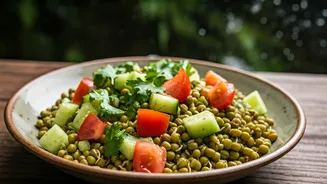
The key to a happy monsoon belly is eating light, warm, and freshly cooked food. Think of comforting bowls of moong dal khichdi, which is easy to digest, or warm vegetable soups. This is the season for gourds like lauki (bottle gourd), torai (ridge gourd), and karela (bitter gourd), as they are light on the stomach and grow on vines, away from contaminated soil. Spices play a crucial role in stoking that weakened digestive fire. Incorporating ginger, garlic, turmeric, cumin, and black pepper into your meals not only adds flavour but also leverages their natural antimicrobial and anti-inflammatory properties. Herbal teas, especially those made with ginger, tulsi, or cinnamon, are excellent for staying hydrated and warm while boosting immunity.
Foods to Approach with Caution
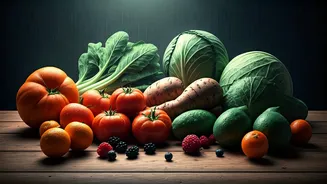
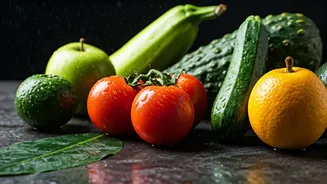
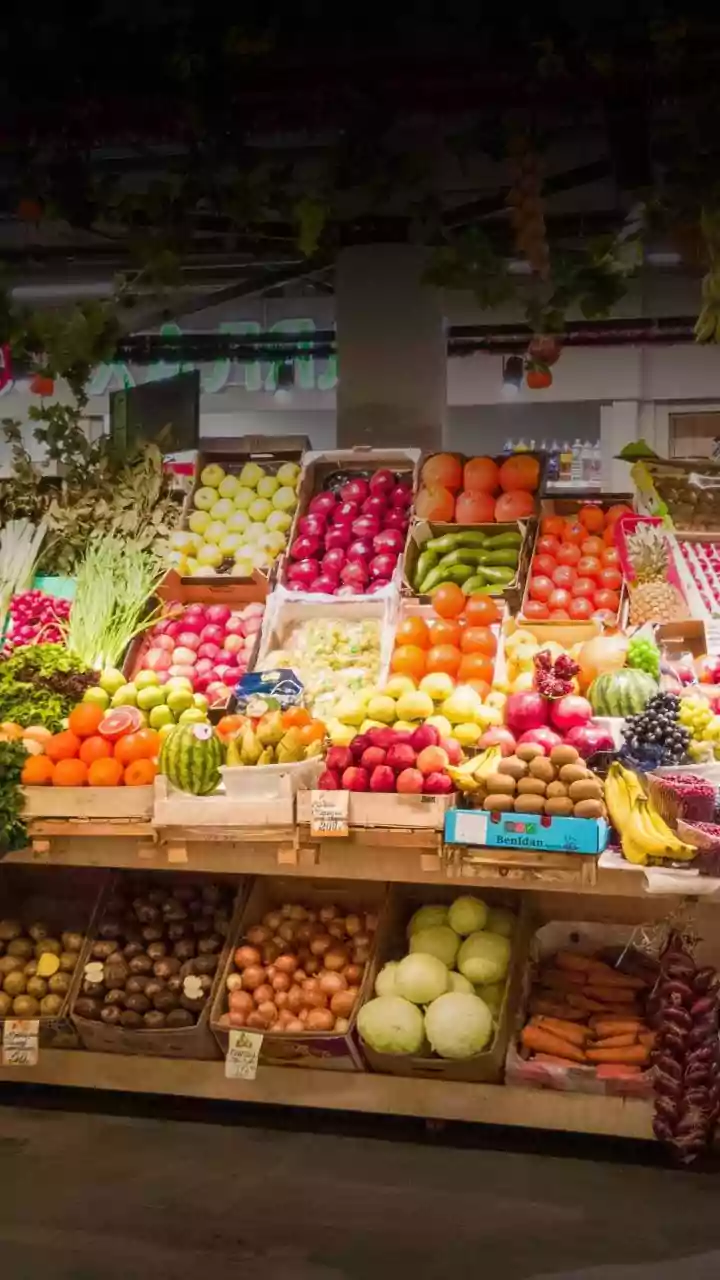
Some foods, though healthy at other times, are best handled with care during the monsoon. Leafy green vegetables like spinach and cabbage are a primary concern. Growing close to the ground, they can be laden with mud, grime, and microbes from contaminated water, which are hard to wash off completely. It's also wise to be cautious with seafood, as the monsoon is the breeding season for fish, and the risk of contamination is higher. Raw foods, including salads and pre-cut fruit from street vendors, are another category to avoid. The high moisture content in the air means bacteria multiply much faster, making freshly cut and thoroughly washed fruits at home a safer bet. Thick-skinned fruits like pomegranates, pears, and jamun are excellent choices.
Snack Smart, Not Hard
The craving for fried pakoras and samosas during a downpour is almost a primal instinct. While indulging once in a while is part of the joy, making it a daily habit can overburden a weak digestive system. Street food, in general, poses a higher risk due to potential issues with water hygiene. Instead of giving up on snacks, consider smarter alternatives. Roasted bhutta (corn on the cob) is a timeless monsoon classic for a reason. At home, you can try making air-fried or baked pakoras to cut down on oil. Other fantastic options include steamed corn chaat, roasted makhana (fox nuts), and moong dal chilla. These provide the warmth and satisfaction you crave without the accompanying digestive distress.