

From Kitchen Scraps to Liquid Gold
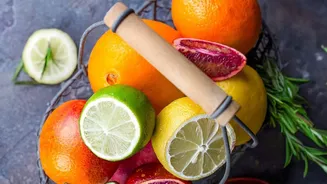
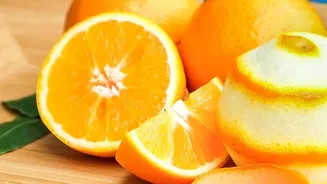
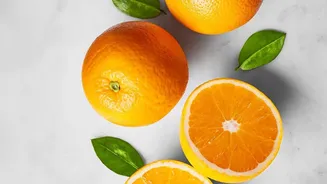
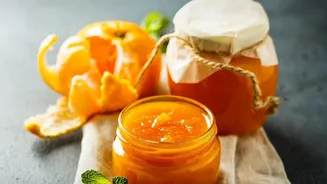
Every time you squeeze an orange or a lemon, you’re left with the peel. Most of us toss these into the bin without a second thought, but you're throwing away a treasure. Those citrus peels are packed with flavour, aroma, and a surprising amount of nutritional
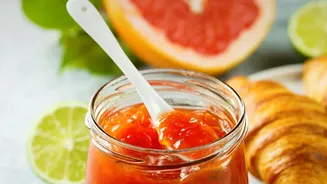
value. Upcycling them into homemade marmalade is a fantastic way to practice zero-waste cooking, reduce food expenses, and create something truly special. This isn't just about being frugal; it's about transforming a would-be waste product into a delicious, artisan spread that brightens up everything from your morning toast to a sophisticated cheese platter. With a little time and a few basic ingredients, you can turn remnants into a pantry staple you'll be proud of.
The Gut-Friendly Advantage
What makes this marmalade “gut-friendly”? The secret lies in pectin, a type of soluble fibre found abundantly in the white pith of citrus peels. Pectin acts as a prebiotic, meaning it feeds the beneficial bacteria in your gut, such as Bifidobacterium and Lactobacillus. A healthy gut microbiome is linked to better digestion, a stronger immune system, and reduced inflammation. When your gut bacteria ferment pectin, they produce short-chain fatty acids (SCFAs), which are the primary fuel source for the cells lining your colon. Unlike many store-bought jams that are loaded with refined sugar and artificial thickeners, this homemade version puts you in control. You decide how much and what kind of sweetener to use, allowing you to create a preserve that's lower in sugar and free from unnecessary additives.
What You Will Need
Making marmalade from scraps is simpler than you think. You don’t need much, and the ingredients are flexible. Ingredients: - Citrus peels from 4-6 organic oranges, lemons, or a mix of both (grapefruit also works well) - Water - Sugar or a natural sweetener of your choice (e.g., honey, maple syrup). A general starting point is a 1:1 ratio by weight of peels to sugar, but you can adjust to your taste. - The juice of one lemon (its acid helps the marmalade set). Equipment: - A large, heavy-bottomed pot - A sharp knife and cutting board - A kitchen scale (helpful, but not essential) - Clean, sterilized glass jars with lids
Step-by-Step: The Recipe
1. Prepare the Peels: First, ensure your peels are clean. If you didn’t use the juice right away, you can store peels in the freezer until you’ve collected enough. Using a spoon, scrape out any remaining fruit pulp and excess white pith if you prefer a less bitter marmalade. For a classic texture, slice the peels into very thin strips. The thinner the slice, the more delicate the final product. 2. Soften the Peels: To reduce bitterness and soften the peels, you can blanch them. Place the sliced peels in a pot, cover with cold water, bring to a boil, and then drain. Some recipes suggest doing this two or three times for a milder flavour. 3. Simmer and Cook: Place the blanched peels back into the pot. Add fresh water to cover them, plus the juice of one lemon. Bring to a simmer and cook for 45-60 minutes, or until the peels are very tender and almost translucent. 4. Add Sugar and Set: Add your sugar or sweetener to the pot. Stir over low heat until it has completely dissolved. Then, increase the heat and bring the mixture to a rolling boil. Cook for 15-25 minutes, stirring often to prevent it from sticking. The marmalade is ready when it reaches its setting point. To test this, place a small plate in the freezer. Drop a teaspoon of the mixture onto the cold plate; if it wrinkles when you push it with your finger, it’s done.
Jarring and Storing Your Creation
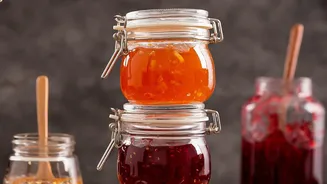
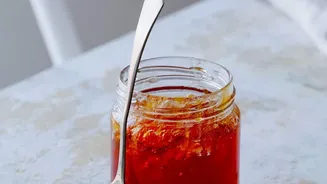
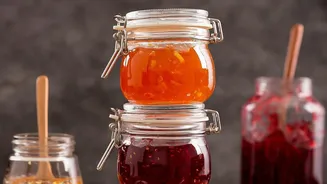
Properly storing your marmalade ensures it will last for months. The key is to use sterilized jars. To sterilize, you can wash your jars and lids in hot, soapy water, rinse them, and then place the wet jars on a baking sheet in an oven set to around 130°C (275°F) for at least 10 minutes. Another method is to boil the jars in a large pot of water for 10 minutes. Let the marmalade cool for a few minutes before carefully pouring the hot mixture into the hot, sterilized jars, leaving about a quarter-inch of headspace at the top. Wipe the rims clean, secure the lids tightly, and let them cool completely on the counter. You’ll often hear a satisfying 'pop' as the jars seal. Once opened, store your marmalade in the refrigerator.