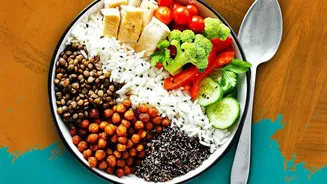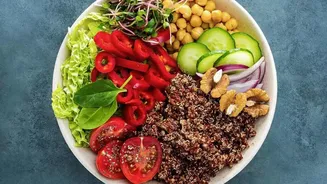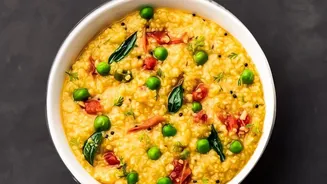






In the world of healthy eating, quinoa and lentils are plant-based powerhouses, celebrated for their nutritional punch. But when it comes to protein, one of these pantry staples consistently comes out on top. Let's break down the details.
The Protein Showdown: A Numbers Game
When you compare
them cup for cup, cooked lentils take a decisive lead in the protein race. One cup of cooked lentils packs a mighty 18 grams of protein. In contrast, a cup of cooked quinoa provides about 8 grams of protein. This means lentils offer more than double the protein for roughly the same volume. For anyone looking to maximise their protein intake from plant sources, especially for muscle repair or to feel fuller for longer, lentils are the clear quantitative winner. Both are relatively similar in calories, with a cup of cooked lentils containing around 230 calories and a cup of cooked quinoa containing about 222.
Beyond Quantity: The Quality Question
While lentils win on the amount of protein, the story shifts when we talk about protein quality. Quinoa is famously known as a 'complete protein'. This means it contains all nine essential amino acids that our bodies cannot produce on their own. Lentils, like most legumes, are considered an 'incomplete protein'. They have all nine essential amino acids, but they are low in one specific type, methionine. However, this isn't a major dietary hurdle. The concept of needing to combine proteins in the same meal has been largely debunked. As long as you eat a varied diet that includes grains, nuts, or seeds throughout the day, your body can pool the amino acids to get what it needs. A classic Indian meal of dal (lentils) and rice is a perfect example of creating a complete protein profile.
Fibre, Carbs, and Feeling Full
Both foods are excellent sources of dietary fibre, but here again, lentils have a significant edge. A cup of cooked lentils delivers an impressive 15.6 grams of fibre, which is over half of the recommended daily intake for many adults. A cup of cooked quinoa provides around 5 grams of fibre. This high fibre content makes lentils fantastic for digestive health, promoting regular bowel movements and feeding healthy gut bacteria. It also helps in stabilising blood sugar levels and contributes to a greater feeling of satiety, which can aid in weight management. In terms of carbohydrates, they are quite similar, with lentils at about 40 grams per cooked cup and quinoa at 39 grams.
A Look at Micronutrients
When you zoom in on vitamins and minerals, the competition is more nuanced. Lentils are an absolute powerhouse of certain nutrients. They are an exceptional source of iron, with one cup providing about 36% of your daily needs, making them a vital food for preventing iron deficiency, especially on a vegetarian diet. Lentils are also packed with folate, a B-vitamin crucial for red blood cell formation. Quinoa, on the other hand, stands out for its high content of manganese and magnesium. Magnesium is important for muscle and nerve function, while manganese plays a role in bone health and metabolism. Both foods offer a valuable array of micronutrients, and including both in your diet ensures you get a wider spectrum of benefits.
Cost and Culinary Corner
In India, the price difference between the two is significant. Quinoa is largely an imported product, and its 'superfood' status has given it a premium price tag, often costing three to five times more than locally available lentils. A 500nd gram pack of quinoa might cost around Rs. 400, while the same quantity of lentils is much more budget friendly. In the kitchen, both are versatile. Quinoa has a slightly nutty flavour and a fluffy texture, working well in salads and as a substitute for rice. Lentils, with their earthy taste, are the foundation of countless dishes, from hearty dals and soups to veggie burgers and stews. They cook quickly and don't require presoaking making them a convenient choice for a weeknight meal.