





A Different Kind of Safari
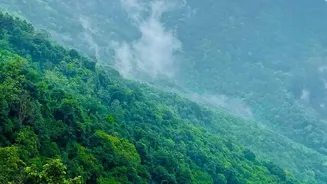
While the dry summer months are famous for tiger sightings and the winter offers pleasant weather, the post-monsoon period of September and October provides a unique charm. The forests, freshly washed and rejuvenated, are at their most beautiful. Rivers
and waterholes are full, the air is crisp, and the entire ecosystem is buzzing with activity. This season offers a chance to see the wilderness in its lushest state, often with fewer tourists compared to the peak winter rush. Though dense vegetation can sometimes make spotting animals a challenge, the stunning landscapes and vibrant biodiversity more than make up for it.
Jim Corbett National Park, Uttarakhand
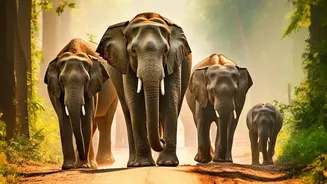
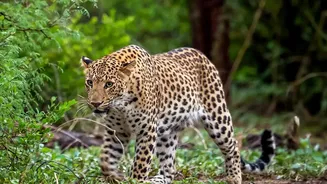
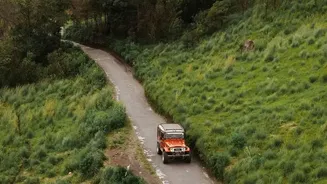
India's oldest national park becomes a paradise of green after the rains. While core zones like Dhikala and Bijrani typically reopen in mid-October or November, buffer zones like Jhirna and Dhela remain accessible throughout the year, weather permitting. The post-monsoon period is perfect for birdwatching, with over 600 species making their presence felt. The landscape is stunning, with the Ramganga River flowing strongly and the forest floor carpeted in new growth, offering incredible photographic opportunities and sightings of elephants, deer, and maybe even a tiger against a verdant backdrop.
Ranthambore National Park, Rajasthan
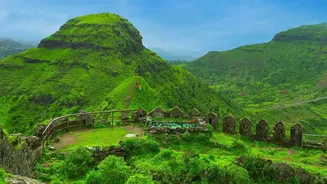
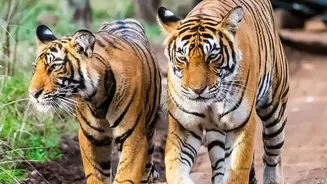
Ranthambore's core zones officially open for the season on October 1st, making it a prime destination for early-season safaris. In the weeks just after reopening, the park’s famous lakes are full, and the Aravalli hills are covered in a layer of green, a stark contrast to the dry summer landscape. While the main zones 1-5 are closed during monsoon, buffer zones 6-10 often remain open, offering a glimpse of the regenerating forest even in September. This period provides a chance to witness the park's tigers and other wildlife in a refreshed and picturesque environment.
Parks of Central India
National parks in Madhya Pradesh, such as Kanha, Bandhavgarh, and Satpura, are jewels of the post-monsoon season. These parks generally reopen their core areas in October. Kanha's vast meadows look particularly stunning, and it's a great time to spot the rare barasingha. Bandhavgarh, known for its high tiger density, offers a breathtaking experience with its vibrant forests and historical fort. Satpura National Park, a quieter alternative, is ideal for walking safaris and birdwatching amidst its dramatic post-monsoon terrain.
Kaziranga and the Southern Parks
In Assam, Kaziranga National Park typically reopens in October as the floodwaters from the Brahmaputra River recede. The sight of one-horned rhinoceroses against lush, tall elephant grass is iconic. Down south, parks like Periyar in Kerala and Nagarhole in Karnataka offer a different flavour of post-monsoon wildlife viewing. Periyar remains open year-round and is especially beautiful after the rains, with boat safaris on the lake offering sightings of elephant herds. Nagarhole, part of the Nilgiri Biosphere Reserve, becomes a lush paradise where boat safaris on the Kabini reservoir can yield fantastic sightings.