






A Genetic Time Machine
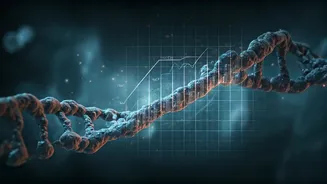
Deep within the bones and teeth of our ancestors lie microscopic clues to the past. This is the world of ancient DNA, or aDNA. Unlike the pristine DNA samples used in modern medicine, aDNA is fragmented, damaged, and incredibly difficult to retrieve.
It is often sourced from archaeological remains, preserved mummies, or even the soil of ancient burial sites. The field dedicated to studying it, paleogenomics, has exploded in the last decade, thanks to revolutionary new sequencing technologies. Scientists can now piece together these genetic puzzles, creating a time machine that allows them to look directly into the biological history of humans and the pathogens that have plagued us for millennia. This isn't just about satisfying historical curiosity; it's about understanding the very origins of diseases that affect us today.
Solving History's Deadliest Mysteries
One of the most powerful applications of aDNA is in identifying the killers behind historical pandemics. For centuries, the cause of the Black Death, which wiped out a huge portion of Europe's population in the 14th century, was debated. By extracting DNA from the teeth of plague pit victims, researchers definitively identified the bacterium Yersinia pestis as the culprit. But the story doesn't stop there. Further studies have traced the evolution of this deadly pathogen, showing that earlier versions from the Stone Age, some 5,700 years ago, lacked key genes that made later strains so effective at spreading via fleas. This kind of information allows scientists to understand exactly what makes a pathogen 'tick' and how it acquires the tools to become a global threat. By tracking its evolutionary journey, we gain a roadmap of how pandemics can ignite.
The Long Shadow of Ancient Diseases
The insights from ancient DNA go far beyond the plague. For diseases like tuberculosis (TB), which remains a major public health challenge in India and across the world, aDNA provides a deep historical context. Scientists have been able to trace TB's genetic history back thousands of years, showing how it has co-evolved with human populations. This long-term perspective is crucial for understanding challenges like antibiotic resistance. Similarly, analysis of ancient leprosy genomes has revealed that the bacterium itself has changed very little over the past 1,000 years. This suggests that its decline in Europe was due to improvements in public health and living conditions, not the pathogen becoming weaker—a powerful lesson for controlling diseases today. Even our vulnerability to modern viruses can have ancient roots. One of the most stunning recent discoveries is that a cluster of genes inherited from Neanderthals significantly increases the risk of severe COVID-19. This genetic variant is found in up to half the population in South Asia.
Implications for Today and Tomorrow
By looking back, we can better prepare for the future. Understanding how our immune systems evolved in response to ancient pathogens helps explain why some populations are more susceptible to certain diseases. For example, some genetic mutations that once helped our ancestors fight off infections are now associated with a higher risk of autoimmune and inflammatory disorders. Tracking the history of zoonotic diseases—those that jump from animals to humans—has shown that the process accelerated with the rise of agriculture and animal domestication. This knowledge is vital as we face the growing threat of new emerging infectious diseases. It allows public health officials to better predict how pathogens might evolve, identify genetic risk factors in modern populations, and potentially develop more effective vaccines and treatments.
A New Frontier with Old Questions
This powerful new field is not without its complexities. The work involves human remains, raising profound ethical questions. Who gets to give consent for someone who died 5,000 years ago? Researchers and communities, particularly Indigenous groups, are working to develop new ethical guidelines to ensure this research is done with respect for the ancestors and their living descendants. The process requires careful collaboration, transparency, and a recognition that these are not just data points, but the remains of people. As scientists navigate these challenges, the field of paleogenomics continues to push forward, promising to unlock more secrets from our deep past. Each ancient genome sequenced is another page added to the epic story of human survival.