





The National Outlook: A Drier End to Monsoon
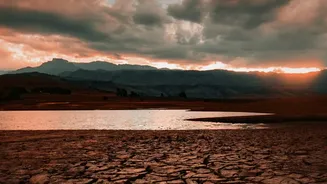
The IMD's long-range forecast for August and September 2026 indicates that rainfall for the country as a whole is likely to be 'below normal'. This means that precipitation is expected to be less than 94% of the Long Period Average (LPA), which is the benchmark
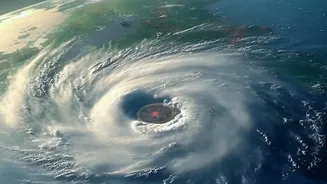
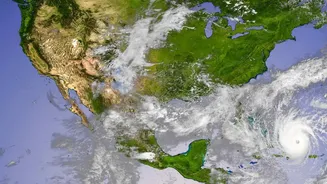
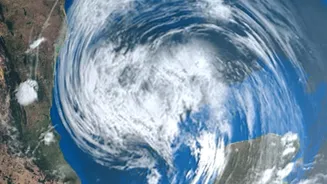
calculated from decades of historical rainfall data. This prediction comes after a varied monsoon season so far, with a dry June followed by a recovery in July. The projected deficit is influenced by strengthening El Niño conditions in the Pacific Ocean, a global climate pattern often linked to weaker monsoon rains in India.
Why Averages Can Be Misleading
A 'below normal' forecast for India doesn't mean every region will be dry. In fact, the IMD itself notes that some parts of Peninsular, Central, East, and Northeast India may still receive normal to above-normal rainfall. This highlights a crucial concept: spatial variability. The monsoon is not a uniform blanket of rain. A national average can easily mask significant regional differences. One state might grapple with floods while a neighbouring one faces a drought. This is why relying solely on the nationwide number can be deceptive for planning everything from agriculture to travel. Even in a 'normal' monsoon year, around half the districts in the country can experience deficient rainfall.
The Critical Role for Agriculture
For India's farmers, this variability is the most critical factor. The success of Kharif crops is directly tied to the timing and volume of monsoon rains. A national forecast is too broad to be actionable for a farmer deciding when to sow seeds, apply fertilizer, or schedule irrigation. A delay or break in rainfall at a crucial stage can harm crop growth, even if the seasonal total for the district ends up being 'normal'. This is where block-level and district-level forecasts become essential, offering the granular detail needed for precise, effective agricultural planning and helping to shift from reactive to predictive farming.
Beyond the Farm: Urban and Civic Impact
The need for localized weather information extends far beyond agriculture. In urban areas, district-specific forecasts for heavy rainfall events are vital for disaster management teams to prepare for waterlogging and potential flooding. It helps municipal authorities manage water reservoirs, which supply drinking water to millions. For citizens, knowing the specific forecast for their district can influence daily commutes, travel plans, and even preparedness for weather-related health issues. The IMD’s forecast for August also suggests that maximum temperatures are likely to remain above normal for most of the country, information that is most useful at a local level.
How to Find Your Local Forecast
Accessing this vital local information is easier than ever. The IMD provides detailed forecasts and warnings right down to the district level. The official IMD website, mausam.imd.gov.in, has dedicated sections for district-wise warnings and bulletins. For on-the-go updates, the government's official 'Mausam' mobile app, available on both Android and iOS, is an excellent tool. It offers current weather conditions, 7-day city forecasts, and colour-coded alerts (Red, Orange, Yellow) for severe weather events in your specific area. Other apps like UMANG also integrate IMD services, providing crop advisories and lightning alerts.