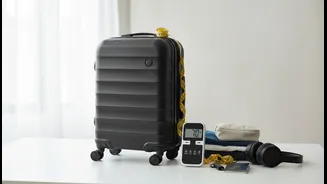







The Checked Bag: What's the Damage?
The first step is understanding the cost you're trying to avoid. For domestic flights in India, the price of checking a bag isn't as straightforward as a single fee, because most standard tickets already include a free checked baggage allowance. For most budget
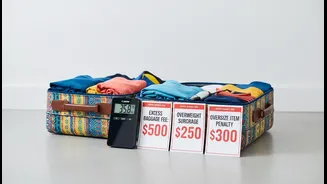
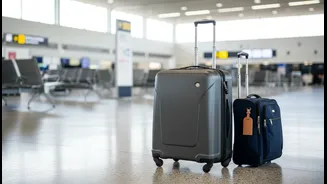
carriers like IndiGo, SpiceJet, and Akasa Air, a standard economy ticket includes one free checked bag of up to 15 kg. Full-service carriers like Vistara and Air India also offer a 15 kg allowance on their cheapest domestic economy fares, with higher allowances for premium economy and business class. The cost only comes in when you exceed this limit or want to check a second bag. Excess baggage paid at the airport is expensive, typically ranging from ₹500 to ₹700 per extra kilogram. Pre-booking extra weight is cheaper. For instance, IndiGo might charge around ₹1,950 to pre-book an extra 3kg. So, the real question isn't about paying for a bag, but whether the value of what's inside outweighs the potential cost of buying it all again.
The Mini-Product Premium
Now, let's look at the alternative: buying travel-sized toiletries. These tiny bottles seem convenient, but they come at a significant markup. A 100 ml bottle of shampoo doesn't cost half of a 200 ml bottle; it often costs much more per millilitre. The same goes for sunscreen, conditioner, and body lotion. You're paying a premium for the small packaging. For a week-long trip, a family of four might need several of these tiny bottles. A hypothetical shopping cart for a family could include: travel-sized shampoo, conditioner, body wash, sunscreen, toothpaste, and moisturiser. This bill can easily climb towards ₹1,500 - ₹2,500 or more, especially if you prefer specific brands that are only available in larger retail stores and not the local chemist. This is where the maths starts to shift. That one-time purchase can quickly approach the cost of pre-booking a few extra kilos of luggage.
The Shopping List Showdown
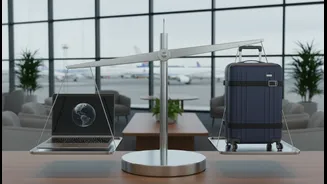
Let's break it down with an example. A family of four on a five-day beach holiday needs sunscreen. A single 50 ml travel-sized tube of a decent brand can cost ₹300-₹400. For a family, you’d need at least two or three of these, totalling ₹900-₹1200 just for sun protection. A full-sized 150 ml bottle of the same sunscreen might cost ₹600-₹700. Add to that your preferred shampoo and conditioner (₹200-₹400 for minis), face wash (₹150), and body lotion (₹150). The total cost of buying these items at your destination could be around ₹1,800. In contrast, if your packed bag is a little over the 15 kg limit, say by 3 kg, the pre-booked excess baggage fee with an airline like IndiGo would be approximately ₹1,950. The costs are surprisingly close. If your shopping list is longer or you require specialised products (like specific hair care for treated hair or specific baby products), the cost of buying replacements will almost certainly exceed the cost of just bringing them from home in a checked bag.
Beyond the Price Tag: Time and Hassle
The calculation isn't just about money. Arriving at your destination and immediately having to find a supermarket or pharmacy to stock up on essentials eats into valuable vacation time. It adds a chore to the beginning of your trip. This is especially true if you're arriving late at night, staying in a remote location, or have tired children in tow. Furthermore, you might not find your preferred brands, forcing you to compromise on products for your hair or skin, which can be a problem for those with sensitivities or specific routines. Packing your own full-sized products in a checked bag means you can unpack and start your holiday immediately. The convenience of having everything you need, exactly as you like it, is a non-monetary benefit that many travellers would happily pay a little extra for.
When to Check vs. When to Carry-On
So what’s the verdict? Checking a bag makes financial and practical sense for: Family trips: The sheer volume of toiletries, sunscreen, and potentially baby-specific items needed makes buying at the destination costly. Long stays (a week or more): You'll need more product than travel-sized bottles can offer, forcing you to buy full-sized items anyway. Travellers with specific needs: If you have sensitive skin, allergies, or use specific medicated or high-end products, bringing your own is non-negotiable. On the other hand, carry-on only is still the champion for: Short trips (2-3 days): You can likely get by with what fits in the 100ml liquid allowance. Solo travellers or minimalists: If your needs are simple, a single shampoo bar and a small toothpaste tube might be all you require. Business trips: Speed is key, and waiting at the baggage carousel is a delay many prefer to avoid.