







A Monsoon Below Par
India's 2026 southwest monsoon season, which provides over 70% of the country's annual rainfall, has officially underperformed. The season concluded with rainfall at just 87% of the long-period average, making it the weakest monsoon since 2015. This deficit
was not uniform, with some of the most crucial pulse-growing regions in states like Karnataka and Maharashtra experiencing significant shortfalls and even drought conditions. This uneven distribution of rain has created considerable moisture stress for Kharif (summer-sown) crops at critical growth stages, raising alarms about lower yields and overall agricultural output.
Pressure on Pulse Production
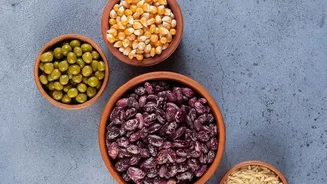
Pulses, a primary source of protein for a vast majority of Indians, are particularly vulnerable to the whims of the monsoon as they are largely cultivated in rain-fed areas. The erratic rainfall has directly impacted sowing. While overall pulse acreage showed a slight increase nationally, key producing states reported a decline. For instance, the area for pigeon pea (tur/arhar) cultivation fell in both Karnataka and Maharashtra. This has sparked concerns of a production shortfall, leading to a surge in wholesale prices. In the past month alone, prices for key pulses like chana (chickpeas) and tur have jumped significantly, fanning fears of broader food inflation just as the festive season approaches.
The Import Duty Lever
To counter the anticipated domestic supply crunch and cool down escalating prices, the government is reportedly considering a significant policy intervention: cutting import duties on certain pulses. According to sources, the potential tariff reduction could target masoor (red lentils) and yellow peas. Currently, India levies a 10% import tax on red lentils and chickpeas, and a much higher 30% duty on yellow peas. Lowering these tariffs would make it cheaper to import these pulses from major suppliers like Canada, Australia, and Russia, thereby increasing availability in the domestic market and helping to stabilise prices. This strategy has been employed before, with the government having already allowed duty-free imports of tur and urad until March 2027 to manage supplies.
A Delicate Balancing Act
The decision to cut import duties is a delicate balancing act for policymakers. On one hand, it offers a direct way to provide relief to consumers facing higher food bills. With pulse prices for tur and urad already showing year-on-year inflation, curbing this trend is a top priority. On the other hand, a flood of cheap imports could hurt the prospects of Indian farmers. The government is also trying to encourage farmers to expand the area for the upcoming Rabi (winter) crop of chana, and maintaining the import duty on it could serve as an incentive for domestic cultivation. The timing is critical, as farmers will be making their planting decisions for the winter season in the coming weeks.
What to Expect Next
While government sources have indicated that the proposal is under active consideration, no final decision has been announced. The government is navigating a complex situation, attempting to preemptively manage food inflation that has been a persistent concern. The move would follow other recent interventions in the food economy, including adjustments to sugar export policies and import tariffs on vegetable oils. For now, consumers and farmers alike are watching closely. The trajectory of pulse prices in the coming months will depend heavily on the government's final decision, the actual size of the Kharif harvest, and sowing trends for the upcoming Rabi season.