




The Snack Aisle's Quiet Revolution
For years, the Indian snack market has been dominated by a colourful explosion of packaged, processed, and often very salty options. From masala chips to savoury bhujia, these convenient bites have been a staple of evening chai and social gatherings.
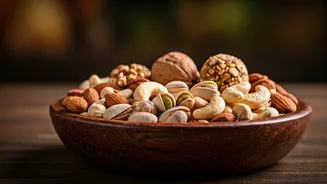
However, a significant cultural shift is taking place. More and more consumers are consciously turning their backs on the hyper-processed aisle in favour of simpler, more natural alternatives. This isn’t just a fleeting trend; it’s a grassroots movement driven by a growing awareness of health and a desire for ingredient transparency. The pandemic played a significant role, pushing many of us back into our kitchens and forcing a re-evaluation of what we put into our bodies. The result is a surge in popularity for foods that are minimally processed, like unsalted nuts, and snacks that are lovingly prepared at home.
Why Less Salt Is a Big Win
The “unsalted” part of this trend is particularly important. While salt is an essential mineral and a flavour enhancer, modern processed foods often contain excessive amounts of sodium. According to the World Health Organization (WHO), high sodium intake is a major risk factor for high blood pressure, which in turn increases the risk of heart disease and stroke. The average Indian diet often exceeds the recommended daily limit of 5 grams of salt (about one teaspoon). By choosing unsalted nuts and controlling the salt in homemade snacks, you’re taking a simple but powerful step towards better cardiovascular health. This choice helps reduce water retention, supports kidney function, and allows the natural, subtle flavours of the food to shine through. It’s a win for your taste buds and a massive victory for your long-term well-being.
The Joy of Making It Yourself
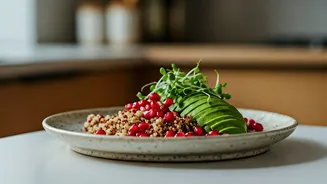
The move towards homemade snacks is about more than just controlling salt and sugar. It represents a return to the joy of creation and the satisfaction of knowing exactly what’s in your food. Making your own snacks can be a therapeutic and creative outlet. You can customise flavours to your exact preference—a little more chilli, a touch less sugar, a sprinkle of chaat masala on roasted makhana. It’s also often more economical. A large batch of homemade granola or roasted chickpeas costs a fraction of the price of their store-bought counterparts. Furthermore, preparing snacks at home can be a wonderful family activity, passing down traditional recipes or inventing new ones together. This hands-on approach fosters a deeper connection with our food, transforming snacking from a mindless habit into a mindful, rewarding experience.
Easy Swaps to Get You Started
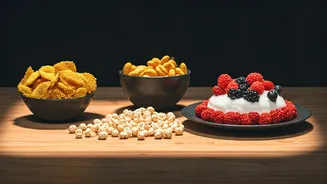
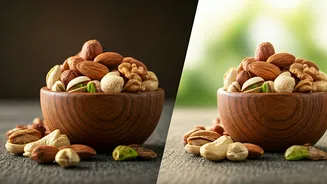
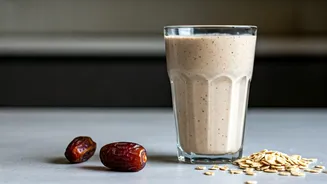
Joining this healthy snacking movement doesn't require you to be a gourmet chef. The beauty lies in its simplicity. Start with a few easy swaps. Instead of buying a packet of salted cashews, buy them raw and roast them at home with a sprinkle of black pepper or paprika. Ditch the potato chips for roasted phool makhana (fox nuts), which are light, crunchy, and packed with nutrients. Craving something sweet? Blend a handful of dates and oats with a few nuts to create simple, no-bake energy balls instead of reaching for a packaged biscuit. You can also make a big batch of trail mix with your favourite unsalted nuts (almonds, walnuts), seeds (pumpkin, sunflower), and a small amount of dried fruit (raisins, apricots). These small changes are easy to sustain and make a huge difference over time.
A Trend the Market Is Noticing
This consumer-led shift hasn't gone unnoticed by the food industry. Look closely in supermarkets and you’ll see a growing number of brands launching “low-sodium” versions of popular snacks or offering entirely new lines of baked, not fried, products. The availability of raw, unsalted nuts and seeds has also increased dramatically, moving from niche health food stores to mainstream grocery aisles. This market response confirms that the demand for healthier options is strong and sustained. It signals that consumers are no longer willing to compromise on their health for the sake of convenience. The power is shifting back to the home kitchen, where flavour, health, and happiness are the primary ingredients.