




The Allure of Autumn Treks
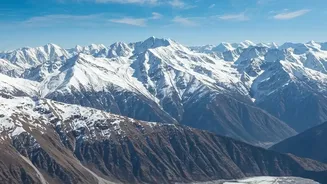
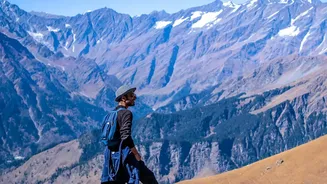
For many adventure enthusiasts, the autumn window is the perfect time to explore the Indian Himalayas. With the monsoon rains having washed the dust from the atmosphere, visibility is often at its peak, revealing stunning panoramic views of snow-capped
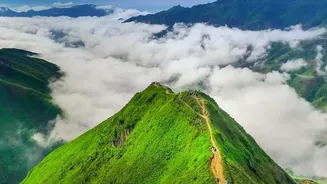
peaks against brilliant blue skies. The weather is generally perceived as stable and pleasant, making it the most popular season for trekking in states like Himachal Pradesh and Uttarakhand. Trails are lush and green, and the festive season across India adds to the appeal of a mountain getaway. This idyllic picture, however, is only one part of the story. The very transition that brings these clear skies also creates a complex and volatile weather environment.
The Volatile Weather Cocktail
The post-monsoon period is not simply a calm spell between summer rains and winter snow. It’s a dynamic battleground of competing weather systems. As the southwest monsoon retreats, the atmosphere remains charged with residual moisture. At the same time, Western Disturbances—extratropical storms originating from the Mediterranean region—begin to move across the northern subcontinent. These systems bring cold air and precipitation. When a Western Disturbance interacts with lingering monsoon moisture, it can trigger sudden and intense weather events, including heavy rain at lower altitudes and significant snowfall higher up. Furthermore, cyclonic systems forming in the Bay of Bengal can also influence Himalayan weather, pushing moisture far inland and contributing to widespread, unseasonal precipitation.
Key Dangers to Anticipate
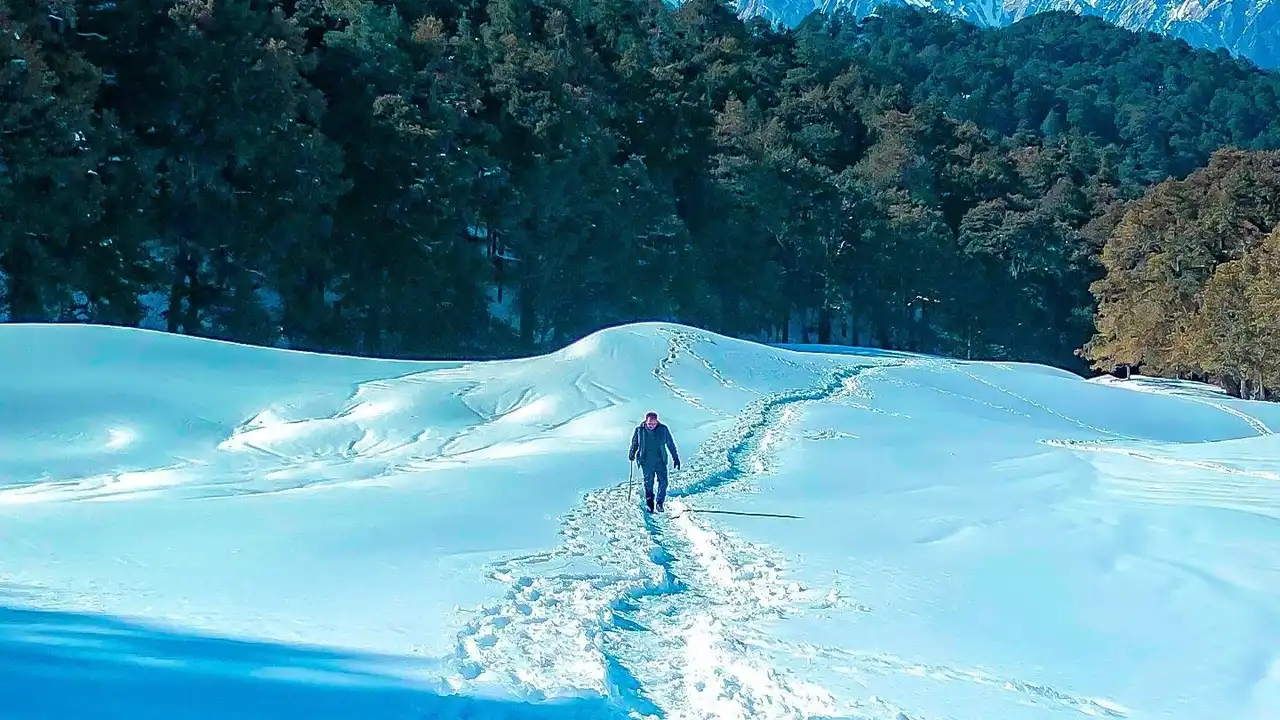
Understanding this atmospheric tug-of-war is crucial because it translates into specific, on-the-ground dangers for trekkers. The most significant risk is a rapid and drastic change in conditions. A sunny morning can give way to a blizzard by afternoon. Temperatures can plummet unexpectedly, especially after sunset or when clouds roll in, dramatically increasing the risk of hypothermia. Heavy, wet snow can quickly block trails and high passes, trapping trekking groups. Strong winds and whiteout conditions can reduce visibility to near zero, making navigation extremely difficult and dangerous, even on familiar paths. These conditions are not just minor inconveniences; they are life-threatening hazards that can turn a dream trek into a survival situation.
Your Safety Checklist
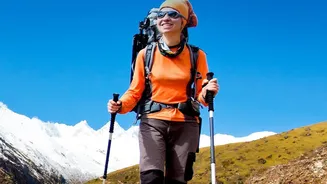
Preparation and vigilance are your best defences. Never underestimate the mountain. Always check multiple, reliable weather forecasts before and during your trek. Hire a registered, licensed local guide who understands the region's specific weather patterns and can recognise early warning signs. Your packing list must account for the worst-case scenario. This includes waterproof and windproof outer layers, multiple insulating mid-layers (like fleece or down), thermal underwear, a warm hat, gloves, and waterproof boots. Always carry a headlamp, a first-aid kit, and extra food. Perhaps most importantly, build buffer days into your itinerary. This flexibility allows you to wait out bad weather without the pressure of a tight schedule, which often leads to poor decision-making.
Reading the Signs on the Trail
Beyond forecasts and gear, developing your own mountain sense is vital. Pay attention to the sky. Rapidly building clouds, a sudden shift in wind direction, or a noticeable drop in temperature are all classic indicators of an approaching storm. Listen to the advice of your guide and local people you meet along the trail; their experience is invaluable. It is crucial to know the early symptoms of altitude sickness—headache, nausea, and dizziness—which can be exacerbated by cold and exertion. Be prepared to turn back if conditions deteriorate or if someone in your group feels unwell. The mountain will always be there for another attempt; ensuring you are too is the most important goal.