



Why We Crave
Cravings are not just a matter of willpower. They are complex biological and psychological signals. Often, a dip in blood sugar between meals can trigger a desire for a quick energy fix, usually in the form of sugar or refined carbohydrates. Stress is
another major culprit, releasing hormones that can increase appetite and make high-calorie 'comfort foods' seem irresistible. Sometimes, cravings are simply born out of habit or boredom. Understanding these triggers is the first step toward managing them. Instead of fighting the urge to snack, the goal is to work with it by choosing foods that address the underlying need for fuel and satisfaction without derailing your health goals.
The 'Smarter Snack' Formula
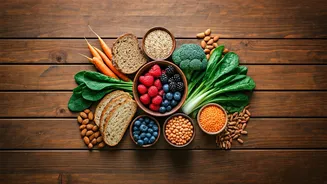
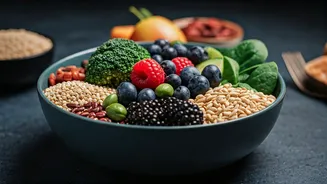
The secret to a truly satisfying snack lies in a powerful combination: protein and fibre. Protein is crucial for promoting fullness and keeping you satisfied until your next meal. Fibre slows down digestion, which helps to stabilise blood sugar levels and prevent the sharp spikes and crashes that lead to more cravings. This dynamic duo works together to provide sustained energy. Instead of a quick, fleeting burst from a sugary biscuit, a snack high in protein and fibre keeps you feeling full and energised for longer. Think of it as a bridge between meals, not just a momentary distraction.
Smart Swaps for Indian Cravings
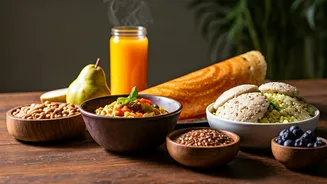
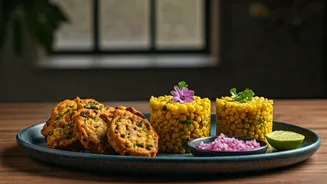
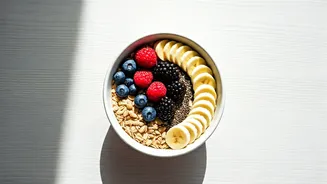
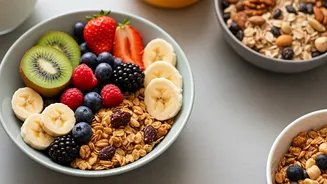
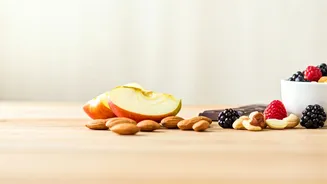
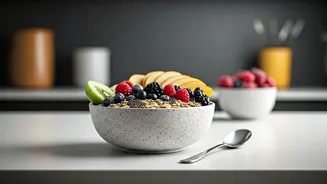
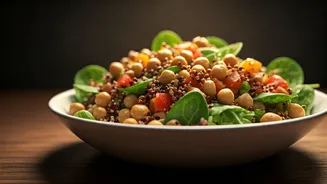
The good news is that many traditional Indian foods are naturally aligned with the smarter snacking philosophy. When you crave something crunchy and savoury, instead of fried namkeen, try a handful of roasted makhana (fox nuts) or chana (chickpeas). Both are packed with fibre and protein. For a sweet craving, a small bowl of dahi or Greek yoghurt with fresh fruit and a sprinkle of seeds offers protein and natural sweetness. Other excellent choices include a sprout chaat with chopped onions and tomatoes, a few paneer cubes tossed with salt and pepper, or a handful of mixed nuts like almonds and walnuts. Even classics like dhokla, which is steamed instead of fried, can be a nutritious option.
Mindful Munching Matters
What you eat is only half the story; how you eat is just as important. Mindful snacking is the practice of paying full attention to the experience of eating. This means stepping away from your desk, turning off the television, and focusing on your food. Before you even take a bite, take a moment to ask yourself if you are truly hungry or just bored, stressed, or thirsty. Sometimes, a glass of water is all you need. When you do snack, eat slowly and savour each bite, noticing the flavours and textures. This practice not only enhances enjoyment but also helps your brain register when you are full, preventing overeating.
Stocking Your Pantry for Success
The easiest way to make smart choices is to make them the most convenient ones. Keeping unhealthy temptations out of sight—or out of the house altogether—can dramatically reduce mindless munching. Dedicate some time each week to prepare healthy snacks. Portion out nuts or roasted chana into small bags. Keep a bowl of fresh fruit on your counter. Pre-chop vegetables like carrots and cucumbers to have with hummus. Having these grab-and-go options readily available means that when a craving strikes, a healthy and satisfying choice is always within arm's reach, setting you up for success.