



Introducing the Bharatiya Antariksha Station
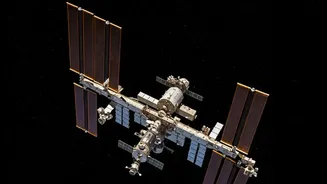
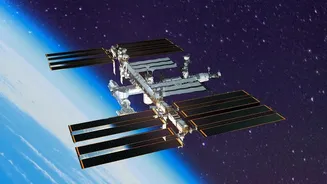
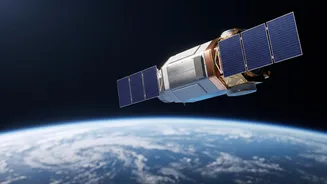
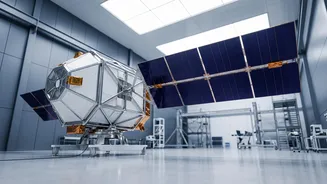
India's proposed orbital outpost is named the Bharatiya Antariksha Station (BAS). The Indian Space Research Organisation (ISRO) is targeting 2035 for the station to be fully operational, with the first module planned for launch by 2028. Envisioned as
a modular structure weighing around 52 tonnes, it will orbit the Earth at an altitude of approximately 400-450 kilometres. This will allow Indian astronauts, or 'Vyomanauts', to conduct long-duration missions lasting from three to six months, shifting the country's focus from short-duration flights to a continuous presence in low-Earth orbit. The entire project is the next logical step following the Gaganyaan mission, which is developing the core technologies for human spaceflight.
A Laboratory in the Sky
The primary purpose of a space station is science. The BAS will serve as a permanent laboratory in microgravity, an environment that cannot be replicated on Earth. This allows for groundbreaking research in a variety of fields. In medicine and biotechnology, scientists can study the long-term effects of weightlessness on the human body, such as muscle atrophy and bone density loss, providing insights into diseases on Earth. It also offers a unique platform for material science, enabling the creation of new alloys and purer crystals for use in industries like pharmaceuticals and semiconductors. Furthermore, the station will be a testbed for developing advanced life-support systems, mastering the recycling of air and water, which is critical for future deep-space missions.
Strategic Autonomy on the World Stage
Owning a space station is as much a strategic asset as it is a scientific one. With the International Space Station (ISS) set to be decommissioned around 2030, the geopolitical landscape of space is shifting. A domestically-owned BAS ensures India has sovereign access to space for research and operations, without depending on international partners. It cements India's position as a major space power, joining the exclusive club of nations—the US, Russia, and China—that have operated their own stations. This capability enhances India's diplomatic leverage, opening doors for collaboration and offering a platform for partner nations that lack independent space access. It is a clear statement of technological self-reliance and global leadership ambition.
Fueling a New Space Economy
The Bharatiya Antariksha Station is also an economic catalyst. It is expected to create a surge in demand for high-tech manufacturing, robotics, and specialised materials within India. ISRO plans to involve private industry heavily in the station's development and operation, fostering a robust domestic space ecosystem. Looking ahead, the station could become a hub for commercial activities, including leasing out facilities for private research, deploying satellites, and even space tourism. By creating a sustained demand for launch services and in-orbit activities, the BAS will help India increase its share of the global space economy, which is valued in the hundreds of billions of dollars.
The Stepping Stone to the Moon and Beyond
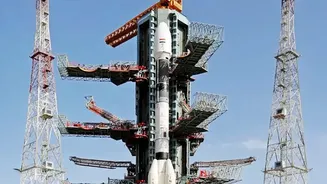
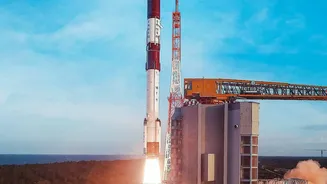
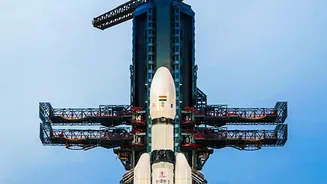
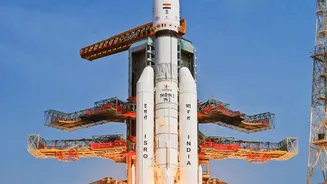
Ultimately, the BAS is a critical bridge to India's future deep-space ambitions, which include a crewed lunar landing by 2040. Operating the station will provide invaluable experience in technologies and procedures essential for long-duration missions, such as rendezvous, docking, and in-orbit refuelling. The development of the powerful Next Generation Launch Vehicle (NGLV), a reusable rocket designed to carry heavy payloads, is directly tied to the construction of the space station and future lunar missions. Each mission to the BAS will serve as a dress rehearsal, building the skills, confidence, and technology needed to safely send Indian astronauts to the Moon and return them to Earth.