

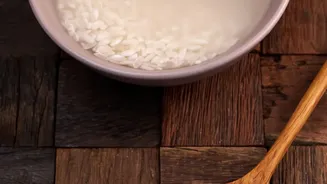
An Ancient Secret Gone Viral
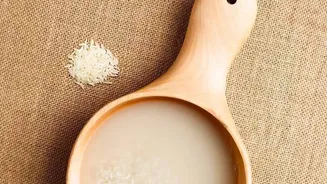
The practice of using rice water on hair is not new. For centuries, women in countries like China and Japan have used it to maintain long, strong, and shiny locks. Most famously, the Yao women of China's Huangluo village, who hold a world record for their
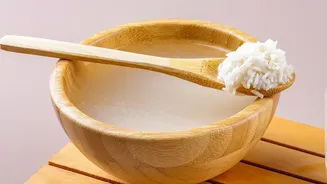
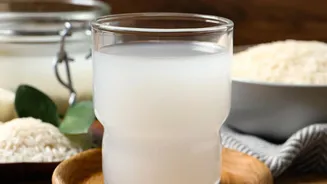
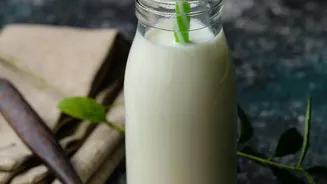
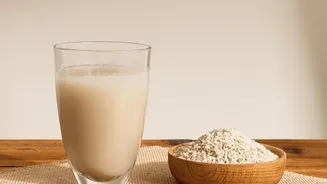
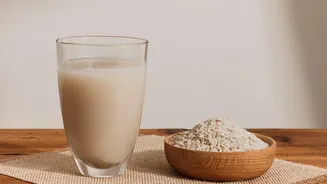
incredibly long hair, credit their hair health to washing it in fermented rice water. This tradition, once a well-kept cultural secret, has exploded in popularity online. Wellness influencers now share DIY recipes and impressive before-and-after photos, expanding its use from a simple hair rinse to a consumable probiotic drink for digestive health.
The Claims: A Miracle Rinse for Hair?
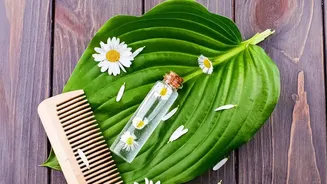
The benefits most often linked to fermented rice water for hair are increased strength, shine, and faster growth. Proponents believe the liquid is rich in nutrients like amino acids, B vitamins, and a compound called inositol, which is said to penetrate and repair damaged hair from within. The fermentation process is key, as it lowers the water's pH to be closer to that of our hair and scalp, and it may increase antioxidant levels. Dermatologists and hair experts agree that rice water can offer some benefits. The starches coat the hair shaft, which can reduce friction, add shine, and temporarily improve manageability. However, the evidence for significant hair growth is largely anecdotal. Experts caution that DIY treatments can be risky. If overused, the high protein content can lead to 'protein overload,' making hair stiff and brittle. Furthermore, home fermentation can be inconsistent and may disrupt the scalp's natural pH balance.
The Claims: A Probiotic Tonic for the Gut?
The second major claim is that drinking fermented rice water can improve gut health. In many parts of India, a similar preparation known as 'pazhaya sadam' or 'kanji' has been a traditional cooling and digestive food for generations. The idea is that the fermentation process creates beneficial bacteria, or probiotics, which support a healthy gut microbiome, aid digestion, and reduce issues like bloating. Some studies on traditional fermented rice beverages have noted their probiotic potential and ability to improve symptoms like bloating in people with IBS. However, gastroenterologists urge caution. While store-bought, regulated fermented foods like yogurt and kefir are known to be safe sources of probiotics, homemade ferments are a different story. Without controlled conditions, there's a risk of cultivating harmful bacteria, which can lead to illness. Furthermore, for people with certain conditions like histamine intolerance or SIBO, fermented foods can actually worsen symptoms.
The Verdict: Separating Hype from Reality
So, should you add fermented rice water to your routine? For hair, it appears to be a low-risk, potentially beneficial conditioning treatment when used in moderation. It can make hair feel smoother and look shinier, but don't expect it to be a miracle growth serum. The key is to listen to your hair; if it starts to feel dry or brittle, it’s a sign to cut back. For gut health, the picture is more complex. While traditional fermented rice foods have a long history of use and may offer benefits, the safety of homemade, unregulated fermented drinks is a significant concern. The potential for harmful contamination means it’s safer to rely on commercially available probiotic sources like kefir, kimchi, or supplements that are produced in controlled environments. The risk with a DIY drink likely outweighs the unproven benefits.