






What Exactly Is Ambali?
Ambali, also known as ragi java or mandia peja, is a traditional beverage with the consistency of a thin, savoury porridge. Native to Southern Indian states like Karnataka, Andhra Pradesh, and Telangana, it has been a nourishing staple for centuries,
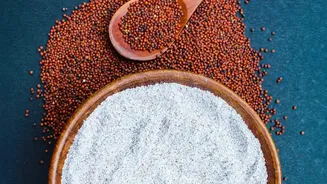
especially valued by farmers for its ability to provide sustained energy and cool the body during hot summers. The process is elegantly simple: finger millet (ragi) flour is cooked with water to form a gruel, which is then allowed to cool and ferment naturally, often overnight. Traditionally, this fermented porridge is mixed with buttermilk, salt, and sometimes garnished with finely chopped raw onions, curry leaves, and green chillies for a refreshing, tangy flavour.
The Probiotic Powerhouse
The magic of ambali lies in its fermentation. This age-old process transforms the simple millet porridge into a rich source of natural probiotics. As the mixture rests, beneficial bacteria like Lactobacillus feed on the starches, producing lactic acid. This not only gives ambali its characteristic mild tang but also populates it with live microorganisms essential for a healthy gut microbiome. A balanced gut is linked to a host of benefits, including improved digestion, a stronger immune system, and even better mental well-being. While many traditional Indian foods like dahi, idli, and dosa are fermented, ambali offers a unique, millet-based probiotic option that is both hydrating and nourishing.
More Than Just Gut Health
While its probiotic qualities are gaining new attention, the nutritional benefits of ambali start with its core ingredient: ragi. Finger millet is a nutritional giant in its own right. It is naturally gluten-free and celebrated for having one of the highest calcium contents among all cereals, making it excellent for bone health. It is also a fantastic source of iron, dietary fibre, and essential amino acids. The fermentation process enhances these benefits by reducing so-called 'anti-nutrients' like phytic acid, which can otherwise hinder the body's ability to absorb minerals. This means the valuable calcium and iron in the ragi become more bioavailable, or easier for your body to use. Its high fibre content also promotes a feeling of fullness, aids in weight management, and helps regulate blood sugar levels, making it a suitable choice for a balanced diet.
From Rural Staple to Urban Elixir
So, how did this rustic cooler find its way into the refrigerators and cafe menus of city dwellers? The trend is fuelled by a growing desire among urban Indians to reconnect with ancestral wisdom and embrace traditional, natural foods. As health-conscious consumers look for alternatives to sugary drinks and processed supplements, ambali fits perfectly. Nutritionists and wellness influencers are increasingly highlighting its benefits, leading to a surge in interest. While the traditional savoury version remains a classic, ambali is also getting a modern makeover. Some health cafes are adding it to their menus, while home cooks experiment by blending it into breakfast smoothies or creating new flavour combinations. This revival is a powerful statement that traditional Indian foods are just as effective and relevant in the modern wellness landscape.