





The Rise of the AI Gatekeeper
For decades, landing a fresher job followed a predictable script: get a degree, craft a resume, and apply. Today, that script is being rewritten by AI. Companies across India, from tech giants to financial firms, are increasingly using AI-powered Applicant
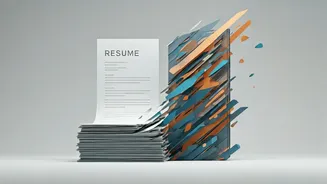
Tracking Systems (ATS) to manage the flood of applications. [8, 9] These systems don't just collect resumes; they actively filter them. Using natural language processing and machine learning, they scan, parse, and rank candidates based on keywords, skills, and experience long before a human recruiter sees a single name. [2, 3] This automated screening can process thousands of applications in seconds, making it a highly efficient, but impersonal, first hurdle. [4] For freshers, this means your application is being judged by a machine, and if you don't speak its language, you're filtered out instantly. [4]
Why Your Resume Isn't Enough
The traditional resume is becoming a fragile tool in this new landscape. AI screeners are fundamentally built on pattern and keyword matching. [5] If your resume doesn't use the exact terminology from the job description, the system may rank you poorly, even if you’re a perfect fit. [3] These tools often struggle with nuance. They can't easily appreciate unconventional career paths, skills gained from non-traditional projects, or the context behind your experience. A 2025 EY analysis noted that entry-level IT roles have already declined by 20-25% due to automation, as AI is now handling many routine tasks once assigned to freshers. [17] The jobs that remain demand more specialized skills and proven abilities—qualities that are hard to convey in a one-page document. Simply listing 'problem-solving' or 'coding skills' is no longer sufficient; you need to provide evidence.
Your Portfolio: The Human Element
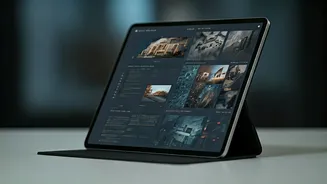
This is where a portfolio becomes your most powerful asset. A portfolio is a curated collection of your work that provides tangible proof of your skills. [18, 21] While a resume tells, a portfolio shows. It's the evidence that backs up your claims. For a developer, this could be a GitHub profile with clean code. For a designer, a Behance page showcasing creative projects. For a writer, a personal blog with well-researched articles. A strong portfolio moves the conversation beyond keywords. It demonstrates your process, your creativity, and the quality of your work. [25] It gives recruiters a reason to look beyond the AI score and see your actual potential. In a market where up to 50% of entry-level roles could be disrupted by AI, a portfolio is what differentiates you as a human with judgment and unique abilities, not just a collection of data points. [10, 17]
How to Build a Standout Fresher Portfolio
Feeling like you have nothing to show as a fresher is a common but misplaced fear. Your portfolio can be built from a variety of sources. Start with your academic work. [24] Select 5-10 of your best and most relevant projects—your final year project, a detailed case study, or a complex coding assignment are all great candidates. [18] Next, include any internship or volunteer experience. Describe the project, your specific role, and the impact you made. [24] Don't have formal experience? Create it. Build 'mock' projects for a dream company, contribute to an open-source project, or offer your skills to a local NGO. [16] For each project, don't just show the final product. Write a short case study explaining the problem, the process you followed, the tools you used, and what you learned. This narrative is just as important as the work itself. [21]
Showcase Your Work Effectively
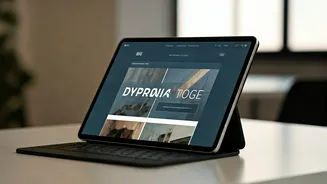
Creating the work is half the battle; presenting it is the other. Choose a platform that suits your field. GitHub is essential for tech roles. Behance or Dribbble are standards for designers. A personal website built on a platform like Wix, WordPress, or Portfolio Box is a versatile option for everyone else, allowing you to control your narrative. [22] Make your portfolio easy to navigate with a clean layout. [21] Most importantly, link to it prominently on your resume and your LinkedIn profile. This gives recruiters an immediate path from your keyword-optimised resume to the rich, compelling evidence of your talent. Your online portfolio acts as your professional identity, working for you even when you're not actively applying. [26]