





That 3 PM feeling hits hard: focus fades, your back aches, and motivation plummets. It’s the curse of the desk-bound workday. But what if the antidote wasn’t another cup of coffee, but a five-minute investment in your own well-being?
Why Your Body Resists the Desk
Our bodies are not
designed for the prolonged sitting that defines modern office life. Spending hours in a chair can lead to a cascade of negative effects, including poor posture, weakened muscles, stiff joints, and reduced blood circulation. This physical stagnation doesn't just stay in the body; it directly impacts the mind. Reduced blood flow means less oxygen reaches the brain, contributing to that all-too-familiar brain fog, lack of concentration, and a dip in productivity and creativity. Studies show that a sedentary lifestyle is linked with a higher risk of developing musculoskeletal issues, metabolic syndrome, and even depression. The good news is that you don't need a full hour at the gym to counteract these effects.
The Power of the 'Movement Snack'
Enter the concept of 'movement snacking' or 'micro-workouts'—short, intentional bursts of physical activity woven throughout your day. These brief circuits, lasting just a few minutes, are a highly effective way to break the cycle of sedentary behaviour. Research shows that even 1- to 5-minute bouts of exercise can stimulate circulation, improve mood, and boost energy levels. The key is consistency. Interrupting long periods of sitting every 30 to 60 minutes can have a significant positive impact on your metabolic health, helping to regulate blood sugar and insulin levels more effectively than a single, longer workout session. Calisthenics, which uses your own body weight for resistance, is the perfect tool for these breaks as it requires no equipment and minimal space.
A Sharper Mind in Minutes
The benefits of a quick calisthenics circuit extend far beyond loosening up stiff muscles. A growing body of research highlights the powerful connection between short bursts of exercise and enhanced cognitive function. Studies have shown that students who took short, active breaks during a long lecture had better attention and retained information more effectively, not just immediately after, but even 48 hours later. These movement breaks increase the flow of oxygenated blood to the brain and can increase concentrations of norepinephrine, a brain chemical that helps moderate the stress response and improve focus. Even small sessions of vigorous activity have been linked to improvements in executive functions, which govern planning, working memory, and multitasking.
Your 5-Minute Desk-Side Circuit
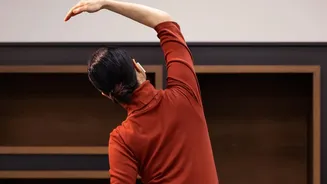
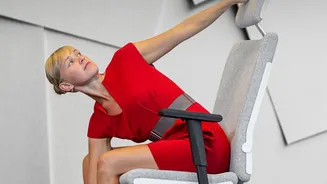
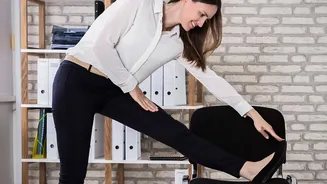
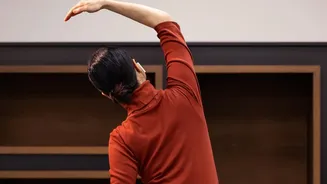
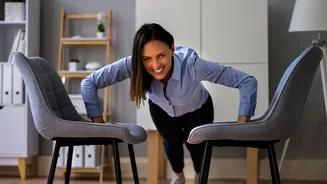
Ready to reclaim your afternoon? Try this simple, equipment_free circuit. Perform each exercise for 45 seconds, followed by 15 seconds of rest before moving to the next. The entire circuit takes just five minutes. 1. Wall Push_Ups: Stand about two feet from a sturdy wall, placing your hands on it at shoulder_height. Lean forward, bending your elbows until your nose nearly touches the wall, keeping your body in a straight line. Push back to the starting position. This strengthens the chest, shoulders, and arms without requiring you to get on the floor. 2. Chair Squats: Stand in front of your office chair with your feet shoulder_width apart. Lower your hips back and down as if you are about to sit, lightly tapping the chair before standing back up. Keep your chest up and your weight in your heels. This is excellent for activating your glutes and leg muscles. 3. Torso Twists: Sit tall at the edge of your chair with your feet flat on the floor. Cross your arms over your chest or place your hands behind your head. Gently twist your upper body from side to side, focusing on rotating from your core. This mobilizes the spine and can help alleviate back stiffness. 4. Calf Raises: Standing up, hold onto your desk for balance if needed. Slowly raise your heels off the floor, pushing through the balls of your feet. Hold for a moment at the top before slowly lowering your heels back down. 5. Standing Chest Stretch: Stand and interlace your fingers behind your back. Straighten your arms and gently lift your hands away from your body, puffing your chest out. This opens up the chest and shoulders, counteracting the hunching posture of desk work.
Making Movement a Habit
The hardest part of any new routine is getting started and staying consistent. The key is to make it as easy as possible. Set a recurring alarm or calendar notification for every hour to remind yourself to get up and move. This technique, similar to the Pomodoro method of breaking up work, can help build the habit. Don't aim for perfection; just aim to move. Even one minute is better than none. Reframe your mindset from 'I have to do a workout' to 'It's time for a quick movement snack'. Over time, these small but consistent investments will pay huge dividends in both physical comfort and mental clarity, transforming your workday from draining to dynamic.