






Become a Sunlight Detective
Before you buy a single plant, the most crucial step is to understand your balcony's sunlight. Don't just guess; observe. Over a clear day, note when direct sun first hits your balcony and when it leaves. A spot is in 'direct sun' if objects cast a sharp,
clear shadow. 'Full sun' means at least six hours of this direct light. 'Partial sun' or 'partial shade' is about three to six hours. Less than three hours is considered 'full shade'. Balconies in India facing south or west typically get the most sun, which is ideal for flowering plants and vegetables but can be harsh. East-facing balconies get milder morning sun, while north-facing ones are the most shaded. Your balcony might even have different light zones—the railing might be in full sun while the area near your door is in shade. Knowing these patterns is the secret to choosing plants that will flourish rather than just survive.
Match Plants to Your Light
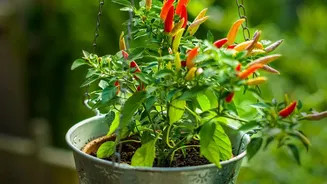
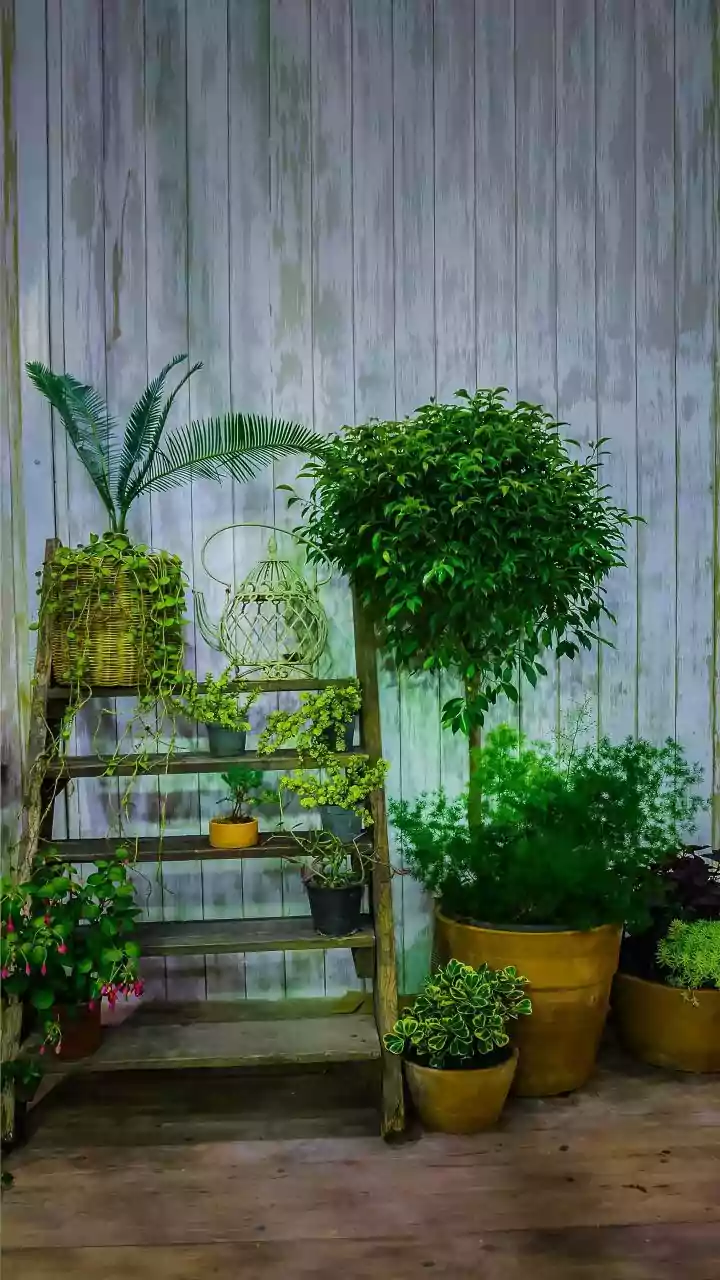
Once you know your light conditions, you can choose the right plants. For sunny, south or west-facing balconies that get over six hours of sun, think of sun-lovers like Bougainvillea, Roses, Lavender, and many vegetables like tomatoes and chillies. For balconies with partial sun (3-6 hours), herbs like mint and Tulsi, along with flowering plants like Begonias and Periwinkle, are excellent choices. If your balcony is mostly shaded, receiving less than three hours of direct light, don't despair. Hardy foliage plants like the Snake Plant, Money Plant (Pothos), and Spider Plant will thrive and add lush greenery. Choosing plants appropriate for your climate and light is the biggest step towards a low-maintenance garden.
Rethink Your Watering Schedule
The most common mistake for new plant owners is overwatering. It's tempting to set a strict weekly schedule, but this often does more harm than good. A plant's water needs change with the season, temperature, and pot size. In the hot summer, plants may need daily watering, while in cooler weather, once a week might be too much. The best way to know if it's time to water is the 'finger test'. Stick your finger about two inches into the soil. If it feels dry, it's time to water. If it's still moist, wait another day or two. When you do water, do it thoroughly until water runs out of the drainage holes at the bottom of the pot. Then, discard any excess water from the saucer to prevent the roots from sitting in water, which causes root rot.
The Foundation: Pots and Soil
For a balcony garden, the right container and soil are non-negotiable. Always use pots with drainage holes. Without proper drainage, water will stagnate, leading to yellowing leaves and root rot—a common cause of plant death. The material of the pot also matters; unglazed clay pots dry out faster than plastic ones, meaning plants in them will need water more often. Equally important is the soil. Never use heavy garden soil from the ground in your pots. It becomes too compact, choking the roots and draining poorly. Instead, buy a quality potting mix. These are specially formulated to be lightweight and provide the right balance of moisture retention and aeration for container plants. A good mix often contains cocopeat, compost, and perlite for drainage.
Feeding and Basic Maintenance
Nutrients in a pot are finite. As you water your plants, nutrients are gradually washed out of the soil. To keep them healthy and growing, you'll need to fertilize them every few weeks, especially during their active growing season in the spring and summer. A balanced liquid fertilizer is an easy choice for beginners; just follow the instructions on the package. Beyond feeding, a little weekly maintenance goes a long way. Gently remove any yellowing or dead leaves to keep the plant looking tidy and to direct its energy towards new growth. Regularly check for common pests, especially on the undersides of leaves. A simple spray of neem oil solution can often take care of minor pest issues naturally.