





The Unshakeable Reign of Rain and Pakoras
For generations, the sound of rain has been inextricably linked to the sizzle of something frying. Across India, the monsoon menu has been a comforting constant: crispy pakoras, flaky samosas, bhutta roasted over coals, and a steaming cup of adrak chai.
This isn't just about food; it's a multi-sensory ritual. It’s the earthy aroma of wet soil mixed with the scent of ginger tea, the shared platter of bhajiyas on a crowded veranda, and the warmth of a snack that counters the damp chill. From the vada pav that rules Mumbai's rainy days to Kolkata's soulful khichuri, each region has its champion. These foods are carriers of nostalgia, recipes passed down through families, and the undisputed kings of comfort on a grey day.
Meet the New Contender: The Bowl
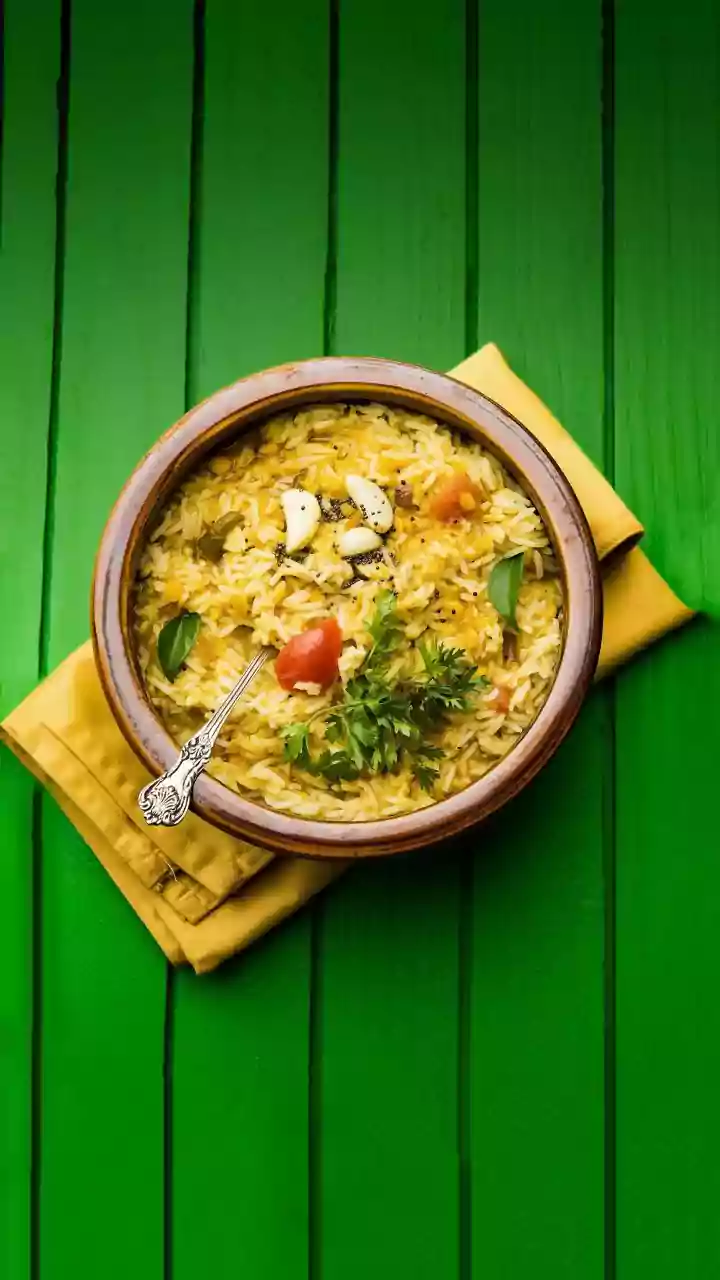
But this season, a new challenger has entered the arena, and it doesn’t fit on a traditional snack platter. It comes in a bowl. Across India's urban centres, the concept of a 'bowl meal' is becoming the new go-to comfort food during the rains. Think less of a single fried item and more of a complete, layered experience. We're seeing the rise of hearty, soupy noodles, gourmet mac and cheese, and reimagined khichdi bowls served in contemporary restaurants. These dishes offer depth, warmth, and a satisfying weight that feels perfectly suited for a day spent indoors. The bowl holds everything together—broth, grains, protein, and crunch—in a way that feels both complete and endlessly adaptable.
Why the Bowl, and Why Now?
The shift towards bowl-based comfort food reflects a larger change in urban Indian lifestyles. Convenience is a major factor. Ready-to-eat and ready-to-cook products, from noodles to gourmet soups, have become pantry staples, making a warm, satisfying meal just minutes away. There’s also a growing health consciousness. While no one is giving up fried foods entirely, chefs and home cooks are exploring lighter, more nourishing options like millet-based khichdi or hearty lentil soups that are easy to digest. Global exposure plays a huge role, too. The popularity of K-dramas has made spicy, soupy noodles a craving for many, while Italian-inspired pasta bowls offer a cheesy, carb-filled hug. The bowl is a canvas for fusion, allowing for Thai, Mexican, and Italian flavours to mingle with Indian spices.
From Street-Side to Sofa: A New Ritual
Traditionally, many monsoon snacks were street food experiences. While the charm of eating a bhutta on the roadside remains, the new comfort food culture is largely a domestic affair, supercharged by food delivery apps. A rainy day no longer means venturing out; it means swiping through menus to find the perfect bowl to be delivered to your doorstep. Restaurants are innovating with 'elevated' versions of classics, like truffle dal khichdi or artisanally topped ramen. This trend also empowers the home cook, with social media feeds full of recipes for one-pot pasta, quick noodle bowls, and creative khichdis, turning a rainy afternoon into a culinary project.
A Crowded Table: Coexistence, Not Conquest
So, is the pakora's reign over? Not at all. The rise of the comfort bowl doesn’t signify the end of traditional snacks. Instead, it points to the glorious expansion of the Indian palate. There is room for both. The pakora and samosa are for the moments of shared, spontaneous joy. The comforting bowl is for a more personal, immersive experience—a culinary blanket on a cold, wet day. It shows that our definition of 'comfort' is evolving. It can be the nostalgic crunch of a samosa or the nourishing warmth of a globally-inspired noodle soup. Both offer a delicious defence against the gloom of a rainy day.