
Meet the Stars: A Scoop and a Drill
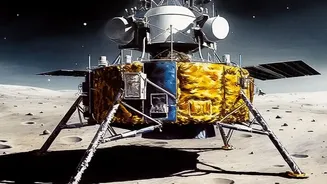
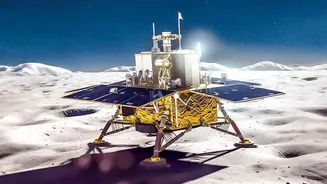
The Chandrayaan-4 mission, planned for around 2028, is far more complex than its predecessor. At the heart of its ambitious goal to collect lunar soil—or regolith—are two key pieces of hardware: a robotic arm with a scoop and a separate drilling mechanism.
While the robotic arm will gather loose surface soil, similar to scooping sand at a beach, the drill is designed to penetrate deeper into the lunar surface. This dual approach is critical. The surface is constantly bombarded by solar wind and micrometeorites, which alters its composition. The drill allows scientists to access a more preserved, or 'pristine,' layer of regolith from beneath the surface, offering a cleaner look into the Moon's geological history. This technology is being developed by teams at ISRO, including at the Vikram Sarabhai Space Centre (VSSC), which is responsible for creating many of the complex mechanisms for India's launch vehicles and space missions.
The Quest for Untouched Lunar History
Why go to all this trouble for a few kilograms of dust? Pristine lunar soil is like a time capsule. The Moon has no atmosphere, no wind, and no tectonic plates to erase its history. The soil contains billions of years of information, not just about the Moon itself, but also about the Sun and even early Earth. By analysing samples that haven't been altered by surface processes, scientists can study the Moon's original composition, understand the history of asteroid impacts in our solar system, and search for valuable resources like water ice, especially in the targeted polar regions. China’s recent Chang'e missions, which also returned lunar samples, have already led to new discoveries about the differences between the Moon's near and far sides, showcasing the immense scientific value of such missions. Bringing these samples back to labs on Earth allows for far more detailed analysis than what can be done by a rover.
A Complex Robotic Ballet
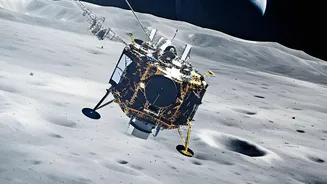
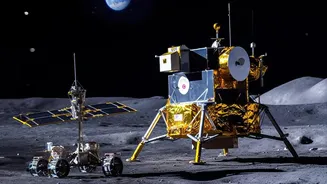
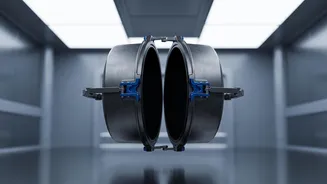
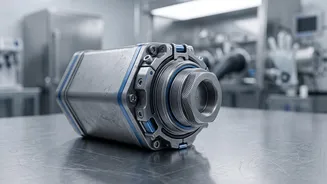
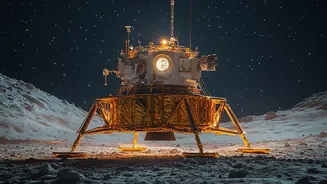
The process is a masterpiece of automation, and as the ISRO Chairman has noted, it's a robotic activity where things can go wrong. After the lander touches down, the robotic arm will be deployed to scoop up surface material. The drilling mechanism will then bore into the subsurface to collect the deeper sample. Each sample will be transferred into separate, specially designed containers that will be sealed to prevent any contamination from Earth's atmosphere on the return journey. This entire sequence—scooping, drilling, transferring, and sealing—must be performed flawlessly by the lander's robotic systems, hundreds of thousands of kilometres from home, with only limited human oversight. These capabilities are crucial stepping stones for India's long-term space ambitions, including the planned Bharatiya Antariksh Station.
From the Moon to an Indian Lab
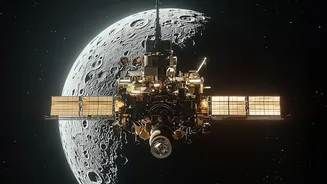
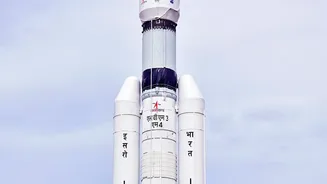
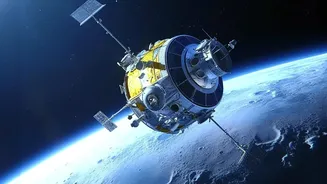
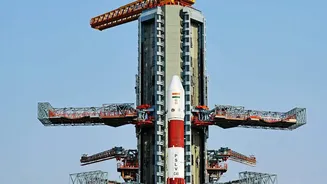
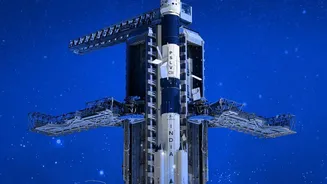
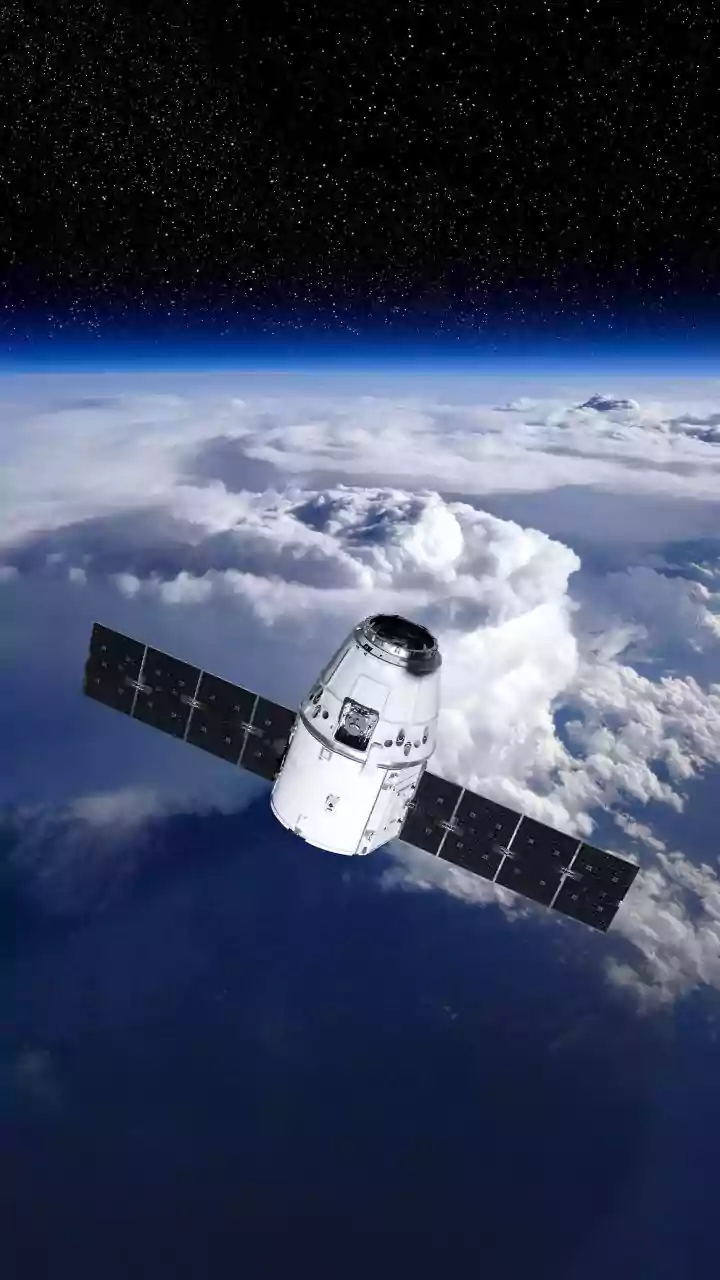
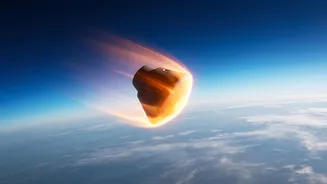
Collecting the sample is only half the battle. Chandrayaan-4 involves a complex series of five modules launched on two separate rockets. Once the samples are secured in the Ascender module on the lunar surface, it will launch itself back into lunar orbit, leaving the lander behind. In orbit, it must perform an autonomous docking manoeuvre—a first for ISRO—with the orbiting Transfer Module. The sample container will be transferred to a Re-entry Module, which will then begin its journey back to Earth, designed to survive a fiery atmospheric re-entry and deliver its precious cargo safely. This mission will make India only the fourth country in the world to successfully complete a lunar sample return mission, a major technological and scientific milestone.