






The Real Price of a Movie Ticket
The sticker price on a movie ticket is just the beginning of the story. While the national average for a standard 2D multiplex ticket hovers around ₹130-₹259, this figure is deceptive. In metropolitan hubs like Mumbai and Delhi, prime-time weekend shows
for a blockbuster can easily surge past ₹400 and even approach ₹800 for a regular seat. Add premium formats like IMAX or luxury recliner seats, and a single ticket can cost over ₹2,000. This doesn't even account for the ‘total cost’ of the outing. Factor in transportation, parking fees, and the famously inflated prices of food and beverages—where a tub of popcorn can cost over ₹500 and a water bottle can be marked up to ₹100—and a simple movie trip for two can quickly become a significant expense. One 2023 survey estimated that an average multiplex outing cost ₹1,800 per person. This steep, per-visit cost structure stands in stark contrast to the subscription-based model of its biggest competitor.
The Unbeatable Value of the Streaming Buffet
For the price of a single premium movie ticket, a young viewer can access a month's worth of content across multiple streaming platforms. A basic mobile-only plan for services like Disney+ Hotstar can be as low as ₹79 per month. Even premium, multi-device, 4K plans from major players like Netflix, Amazon Prime Video, and Hotstar rarely exceed a few hundred rupees monthly. An annual premium Hotstar subscription, for instance, costs ₹2,199—less than what a single person might spend on one luxury cinema experience with snacks. This economic disparity is the single most powerful driver of the shift in viewing habits. Streaming offers a vast, all-you-can-eat buffet of movies, international series, regional content, and documentaries for a predictable, low monthly fee. For a generation that is notoriously cost-conscious, the value proposition is almost impossible to ignore.
Beyond Cost: The Currency of Convenience
While price is the primary motivator, the appeal of Over-the-Top (OTT) platforms for Gen Z goes deeper. Studies show that convenience is a massive factor. The ability to watch content anytime, anywhere, on any device—and to pause, rewind, or re-watch at will—aligns perfectly with the digital-native lifestyle. There's no need to plan ahead, coordinate with others, or sit through advertisements (with premium plans). This level of control is something the traditional theatrical model simply cannot offer. Furthermore, the rise of binge-watching culture is tailor-made for streaming services, allowing viewers to consume entire seasons in a single weekend, a habit that has become integral to modern content consumption.
The Fading Magic of the Big Screen?
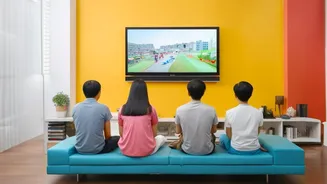
For decades, the cinema's unique selling proposition was the 'magic of the big screen'—the communal experience of watching a story unfold in a dark room with immersive sound and visuals. However, for a generation that grew up with high-definition screens in their pockets, this allure may be waning. Research indicates that Gen Z is deeply engaged in digital media, spending hours daily across streaming, gaming, and social platforms. Their entertainment world is personalized and fragmented. While theaters still offer a spectacle that home setups struggle to replicate, the question is whether that spectacle is worth the premium. The social aspect of movie-watching is also evolving; 'watching together' can now mean a cozy night in with friends, discussing a show on a group chat, or joining a global fandom online.