






From Afterthought to Essential
For decades, the prevailing fitness culture glorified pushing through pain and exhaustion. Rest was often viewed as a sign of weakness, an optional extra for those not dedicated enough. That philosophy is undergoing a major shift. Today, sports scientists,
elite coaches, and everyday fitness enthusiasts alike are recognising that adaptation—the process of getting stronger, faster, and more resilient—doesn't happen during the workout itself. It happens during the recovery period that follows. This has elevated recovery from a passive afterthought to a planned, strategic component of any serious training programme, as crucial as the exercises themselves.
The Science of Gains
When you exercise, especially with intensity, you create microscopic tears in your muscle fibers and deplete your body's energy stores. This stress is the necessary stimulus for change. However, for the body to rebuild those fibers stronger than before—a process called supercompensation—it needs time and resources. During recovery, the body gets to work repairing this muscle damage, replenishing its energy (glycogen) stores, and regulating the nervous and endocrine systems which are taxed by intense activity. Without adequate recovery, you don't give your body the chance to make these positive adaptations. Instead, you just accumulate fatigue, which can lead to performance plateaus, burnout, and an increased risk of injury.
Active vs. Passive Recovery
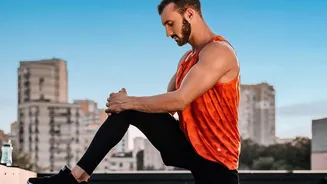
Not all recovery is created equal, and it doesn't always mean lying on the couch. A key concept in modern training is the difference between passive and active recovery. Passive recovery is complete rest—no structured exercise. It’s essential, particularly after exceptionally grueling sessions or when you’re feeling unwell. Active recovery, on the other hand, involves low-intensity activity designed to promote blood flow and help clear metabolic waste products from muscles without adding significant new stress. Think of activities like a gentle walk, a light swim, foam rolling, or stretching. This increased circulation delivers oxygen and nutrients that aid tissue repair, helping to reduce soreness and stiffness, making you better prepared for your next hard workout.
How to Build a Better Recovery Day
Crafting an effective recovery day is a personal process, but some universal principles apply. The goal is to facilitate your body's natural repair processes. Sleep is arguably the most powerful recovery tool available; it's when crucial hormones for tissue repair are released. Aim for 7-9 hours of quality sleep. Nutrition is the second pillar. Consuming adequate protein helps rebuild muscle, while carbohydrates are needed to refill those depleted glycogen stores. Hydration is also critical for all cellular processes, including recovery. Finally, listen to your body. Signs like persistent soreness, elevated resting heart rate, irritability, or a lack of motivation are your body’s signals that it needs more rest. While fitness trackers can provide helpful data, don't underestimate your own sense of fatigue and well-being.