



The 'Why' of Weekly Meal Prep
For any student, time and money are precious resources. The constant pressure of deadlines and the allure of ordering in can easily derail any intention of eating healthy, home-cooked food. This is where meal prepping becomes a superpower. By dedicating
just a few hours one day a week—typically a Sunday—you set yourself up for a week of success. The primary benefits are undeniable: you save a significant amount of money by avoiding impulse food orders, reduce daily cooking stress, and gain full control over your nutrition. Instead of figuring out what to eat three times a day, you simply assemble pre-prepared components into a delicious, wholesome meal in minutes. It transforms your daily routine from 'What do I cook?' to 'What do I assemble?'
Step 1: Flexible Planning is Key
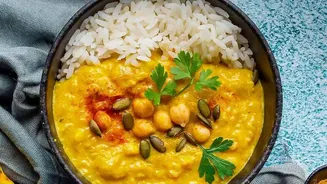
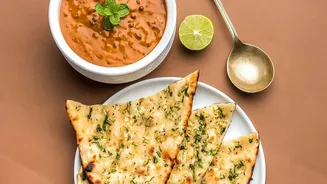
The secret to sustainable meal prep isn't to cook seven identical lunch boxes. That leads to food boredom. Instead, think in terms of versatile components you can mix and match. A winning formula is: Grain + Protein + Vegetables + Sauce. For your grain, you could cook a large batch of basmati rice or quinoa. For protein, think about versatile options like boiled chickpeas, lentils (dal), or cubes of paneer. For vegetables, choose sturdy ones that hold up well, like bell peppers, carrots, cauliflower, and broccoli. Your plan for the week might look like this: make a large pot of chana masala, cook a batch of plain rice, chop a variety of vegetables, and prepare a simple onion-tomato curry base. This flexible stash allows you to create a rice bowl one day, a wrap the next, and a curry the day after, all from the same core prepped ingredients.
Step 2: A Smart, Budget-Friendly Shop
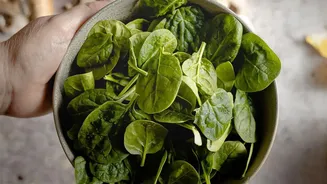
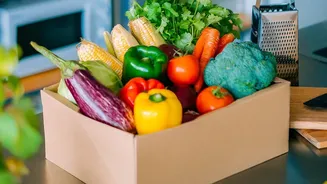
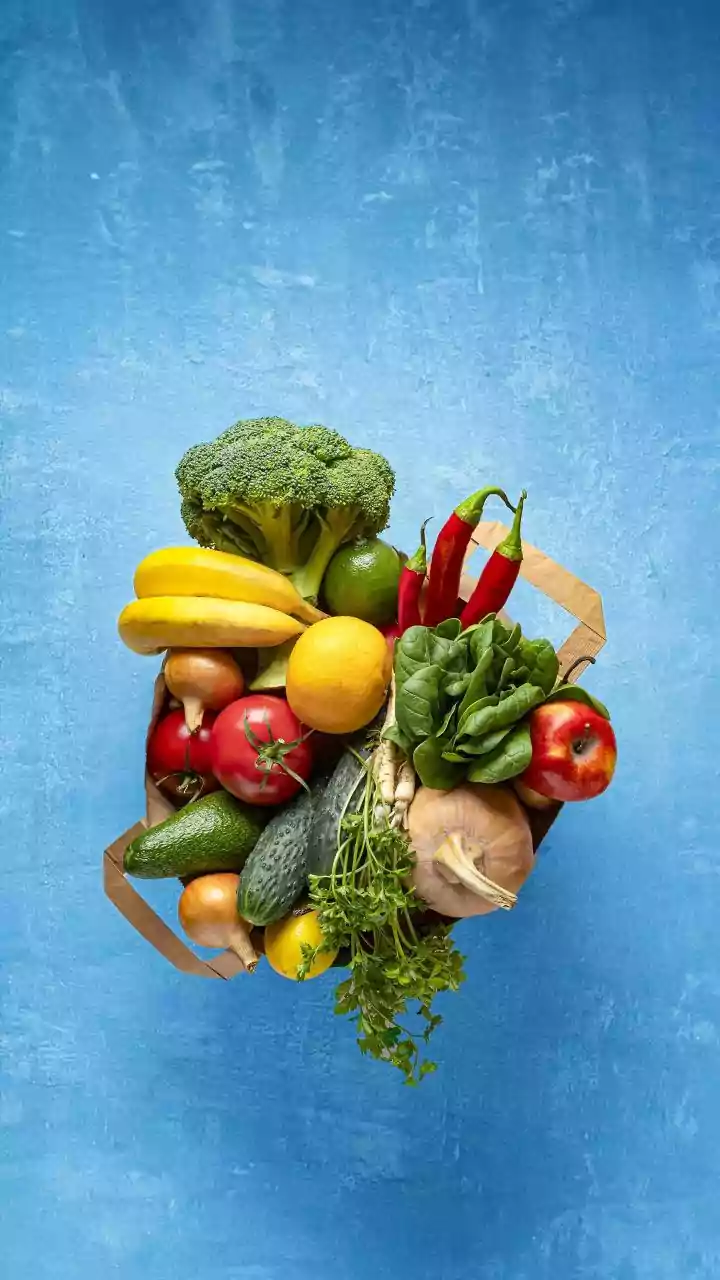
Your shopping list is your blueprint for a successful prep week. Focus on affordable, nutrient-dense staples commonly found in any Indian kitchen. Your list should include foundational items like onions, tomatoes, ginger, and garlic, which form the base of most Indian dishes. Stock up on dry goods like lentils (toor, moong, masoor), chickpeas (chana), and kidney beans (rajma). For grains, basmati rice and whole wheat flour for rotis are essentials. When it comes to vegetables, buy what's in season to keep costs down. A mix of hardy vegetables like potatoes, cauliflower, and carrots, along with quicker-cooking ones like spinach and bell peppers, provides variety. Don't forget spices. If you're starting out, a basic kit of turmeric powder, red chilli powder, coriander powder, and garam masala will cover most of your needs.
Step 3: The Sunday Prep Session
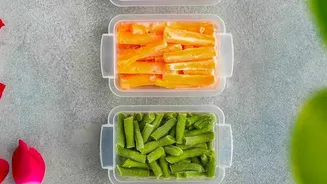
Set aside about two to three hours for your prep. The key is efficiency. Start with the items that take the longest to cook, like soaking and boiling lentils or chickpeas. A pressure cooker can be your best friend here, drastically cutting down cooking time. While the legumes are cooking, you can prepare a large batch of a universal curry base—sautéed onions, ginger-garlic paste, and tomatoes form a foundation you can use for multiple dishes. Next, wash and chop your vegetables. Store harder vegetables like carrots and bell peppers in one container, and leafy greens separately. Finally, cook your grains. You can make a large batch of rice or quinoa to last several days. Some students even find a simple rice cooker to be a game-changer for daily fresh rice.
Step 4: Storage for Lasting Freshness
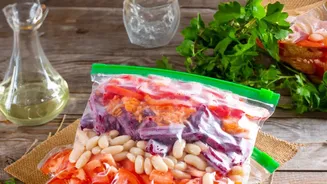
Proper storage is crucial to ensure your prepped ingredients stay fresh all week. Invest in a good set of airtight containers. Store cooked dal, curries, and grains in individual or family-sized portions in the fridge. For chopped vegetables, managing moisture is key. Line an airtight container with a paper towel to absorb excess water, which helps prevent vegetables like bell peppers and celery from becoming soggy. Carrots can be stored submerged in water in a sealed container to keep them crunchy. It's also wise to store sauces and dressings separately from other ingredients to prevent everything from getting mushy. Cooked dal and curries generally last well for up to five days in the refrigerator.
Step 5: Assemble and Enjoy in Minutes
This is where your hard work pays off. On a busy Tuesday, lunch can be as simple as taking a portion of your pre-cooked rice, topping it with some of the chana masala, and adding a side of your pre-chopped cucumber salad. For dinner, you could take that universal onion-tomato base, add some paneer cubes and frozen peas, and have a fresh paneer curry ready in 15 minutes to eat with rotis. The prepped chickpeas can be tossed with chopped onions and tomatoes for a quick chaat, or mashed with spices to become a sandwich filling. The possibilities are endless, and each meal feels fresh and customised, even though the core components were prepared days ago.