



The Foundation: Why Safe Nasal Care Matters
A stuffy nose, often caused by a cold, allergies, or sinus inflammation, happens when the tissues inside your nose swell and produce excess mucus. Home remedies aim to thin this mucus, soothe inflammation, and improve drainage. However, the delicate nasal
passages are a direct pathway to the sinuses and even the brain. Introducing unclean water or using devices improperly can lead to infections or injury. The golden rule of home nasal care is simple: keep it clean, keep it gentle, and use the right tools correctly. Following safe practices ensures you get all the benefits of relief without any of the risks.
Saline Sprays: The Gentle First Line of Defence
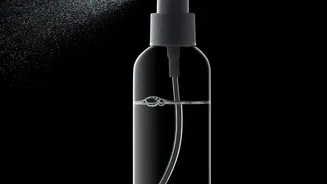
Saline nasal sprays are the simplest and often safest way to find relief. These are essentially a gentle mist of saltwater that helps moisturise dry nasal passages and thin out thick mucus, making it easier to clear. You can buy pre-made, sterile saline sprays from any pharmacy. These are convenient and eliminate the risk of contamination. When using a spray, aim the nozzle toward the back of your nose, not toward the septum (the wall between your nostrils). A gentle spray in each nostril is usually enough. It's a non-medicated approach, so you can use it several times a day without the risk of the 'rebound' congestion that can occur with medicated decongestant sprays.
Nasal Rinsing: Neti Pots and Squeeze Bottles
For a more thorough cleansing, many people turn to nasal irrigation devices like neti pots or squeeze bottles. These work by flushing out the nasal passages with a larger volume of saline solution. While highly effective, this is where safety is most critical. You must never use water directly from the tap for nasal rinsing. Tap water is safe to drink but can contain tiny organisms, such as the amoeba Naegleria fowleri, which can cause a rare but fatal brain infection if introduced into the nasal passages. Always use water that is either distilled, sterile, or has been boiled for at least one minute and then cooled to a lukewarm temperature. Mix it with the provided non-iodized salt packets or a homemade solution (one-quarter teaspoon of non-iodized salt in one cup of warm, safe water). When rinsing, tilt your head sideways over a sink and let the water flow from one nostril out the other. Always wash and dry the device thoroughly after each use.
Steam Inhalation: Soothing Moisture
Inhaling steam is a time-honoured tradition for easing congestion. The warm, moist air can help soothe irritated nasal tissues and loosen mucus. You can achieve this by taking a hot shower, using a personal steam inhaler, or carefully leaning over a bowl of hot water. If using the bowl method, drape a towel over your head to trap the steam and breathe deeply. The primary danger here is burns. Never place your face too close to the hot water, and be extremely careful not to knock the bowl over. This method is not recommended for young children due to the high risk of scalding. A safer alternative for a child's room is a cool-mist humidifier.
Humidifiers: Keeping Your Environment Moist
Running a humidifier, especially in a dry room or during winter, adds moisture to the air, which can help prevent your nasal passages from drying out and reduce congestion. Both cool-mist and warm-mist humidifiers are effective. The key to using them safely is keeping them clean. A dirty humidifier can become a breeding ground for mould and bacteria, which it then pumps into the air you breathe. This can worsen allergies and respiratory problems. Follow the manufacturer's instructions for daily and weekly cleaning, using the recommended solutions like vinegar or soap to keep the machine pristine.