


What Is Slow Travel, Really?
Forget the blur of airports and the pressure of a packed schedule. Slow travel isn't about moving at a snail’s pace; it's a mindset. It’s the conscious decision to experience a place deeply rather than just seeing its highlights. Instead of a whirlwind
tour of landmarks, it involves renting a quiet homestay for a few weeks, learning a local recipe, frequenting the neighbourhood market, and forming genuine connections with the community. It’s the difference between collecting snapshots of monuments and collecting memories of conversations, tastes, and quiet moments. For a growing number of young Indians, this philosophy is becoming the ultimate travel goal, prioritising depth over distance and presence over performance.
An Antidote to Hustle Culture
For the generation that grew up with dial-up internet and entered a workforce defined by hustle culture, the appeal of 'slow' is profound. Many young professionals in India’s bustling metros are grappling with burnout, digital fatigue, and the feeling that their lives are lived on a constant, accelerating treadmill. Traditional vacations, often crammed with activities, can feel like another project to be managed. Slow travel offers an escape not just from a physical location, but from a relentless pace of life. It’s an intentional act of rebellion against the pressure to be constantly productive. By choosing to linger, explore without a plan, and simply 'be', travellers are reclaiming their time and finding a form of rest that a packed itinerary could never provide.
Beyond the Tourist Trail
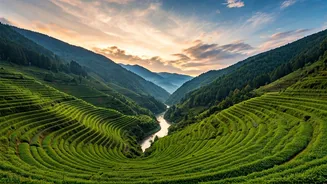
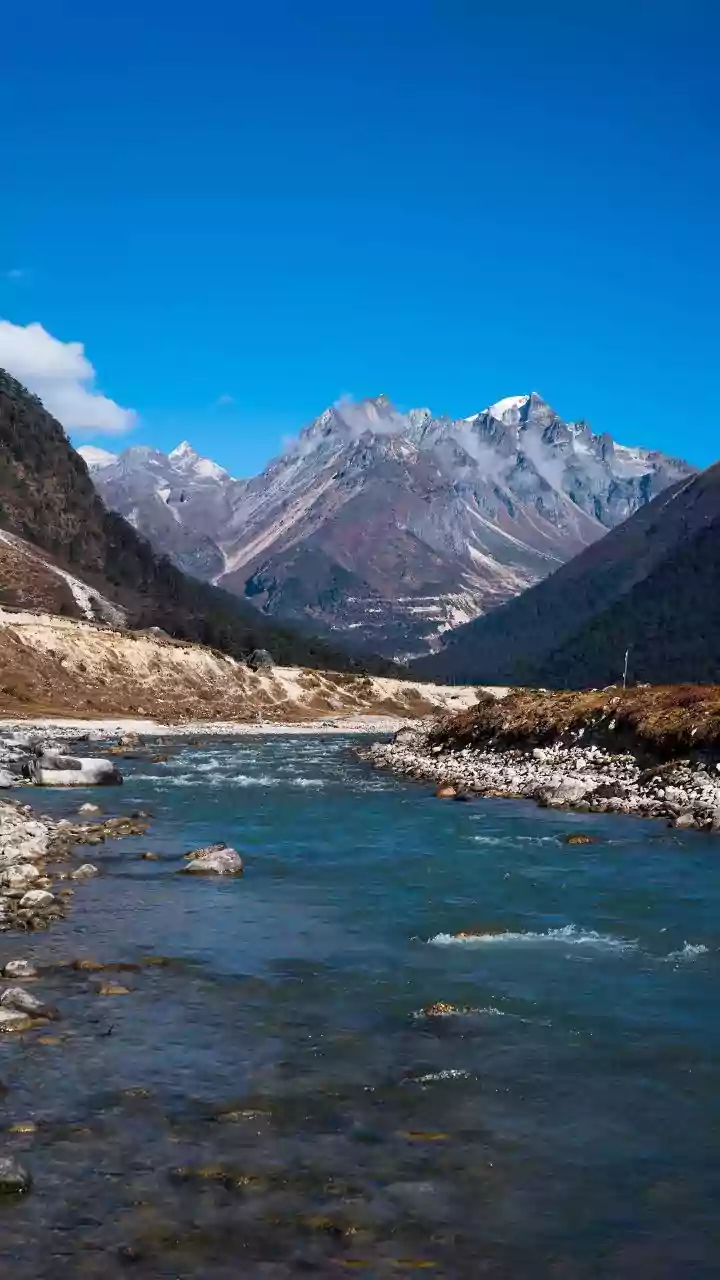
This shift is also redrawing the tourist map of India. While major cities and attractions will always have their allure, the slow travel movement is pushing people towards lesser-known destinations. Small villages in Himachal Pradesh and Uttarakhand, quiet backwater communities in Kerala, and sleepy coastal towns in Goa or Karnataka are becoming hubs for long-term stays. The rise of ‘workations’—enabled by the widespread adoption of remote work post-pandemic—has been a massive catalyst. Now, a software developer or a graphic designer can work from a cottage with a mountain view for a month, integrating their professional life with a more peaceful, exploratory personal life. Platforms offering homestays and boutique guesthouses have seen a surge in bookings for extended durations, reflecting a tangible shift in consumer behaviour.
Authenticity Over Likes
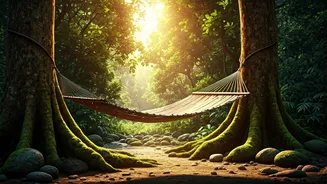
In an era dominated by social media, where travel is often curated for the perfect Instagram post, slow travel represents a turn towards authenticity. The most meaningful moments of a slow journey—a long chat with a homestay owner, the joy of mastering a local dish, or an afternoon spent reading in a hammock—are often un-photographable. They don’t fit neatly into a reel or a carousel. This isn't to say young travellers have abandoned their phones, but the focus of what they value is changing. The currency of a good trip is shifting from external validation (how many likes a photo gets) to internal enrichment (what was learned and felt). It's a quieter, more personal form of travel that doesn’t need a public audience to be fulfilling.
A More Conscious Way to Explore
Beyond personal benefits, slow travel aligns with a growing consciousness around sustainability. Staying in one place for longer reduces a traveller’s carbon footprint from transportation. It also channels money more directly into local economies. When you stay at a family-run homestay, eat at neighbourhood cafes, and buy produce from the local market, your spending has a more significant and direct impact on the community. This approach fosters a more respectful and symbiotic relationship between visitor and host, a far cry from the extractive nature of mass tourism. It encourages travellers to be temporary residents, not just transient consumers.