





A Breakfast Renaissance
In cities across India, from Bengaluru to Mumbai, breakfast is getting a makeover. The once-dominant quick bowl of cereal or slice of toast is giving way to something more wholesome and deeply rooted in Indian culinary heritage. Families are consciously
moving towards traditional breakfast options, with a special focus on millets. This isn't just a fleeting trend; it's a significant shift driven by a collective desire for better health and a connection to sustainable, local food systems. Once relegated to the background during the Green Revolution, which favoured rice and wheat, ancient grains like ragi, jowar, and foxtail millet are making a powerful comeback on urban dining tables.
The Nutritional Advantage
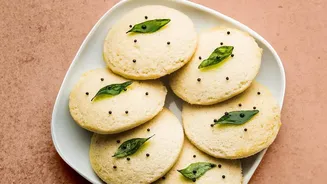
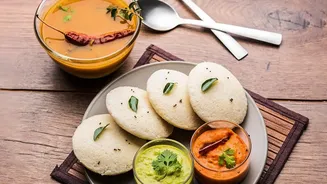
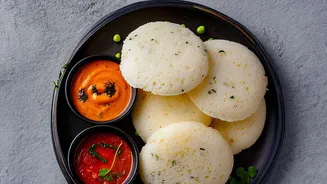
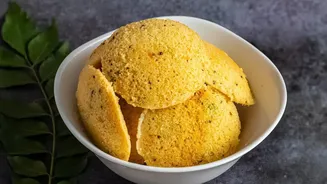
So, why is this considered an 'upgrade'? The science is compelling. Compared to their polished rice counterparts, millet-based idlis and appams are nutritional powerhouses. Millets are packed with dietary fibre, which aids digestion and provides a feeling of fullness, helping to prevent mid-morning hunger pangs. They typically have a lower glycemic index than white rice, meaning they release energy slowly and help maintain stable blood sugar levels, a crucial factor for preventing lifestyle diseases. Furthermore, different millets offer a diverse profile of essential minerals; ragi is famously rich in calcium, while others provide significant amounts of iron, magnesium, and protein.
Tradition Meets Modern Convenience
The resurgence of millet breakfasts in fast-paced urban environments has been made possible by a crucial factor: convenience. The perception of traditional cooking being time-consuming is being dismantled by a new wave of food startups and brands. These companies offer high-quality, ready-to-cook millet batters for idlis and dosas, often with no preservatives or soda. This allows busy families to enjoy a fresh, healthy, and traditional breakfast without the lengthy process of soaking, grinding, and fermenting. This blend of authenticity and convenience is the sweet spot that makes the switch to millets not just aspirational, but also practical for the modern household.
More Than Just Idli
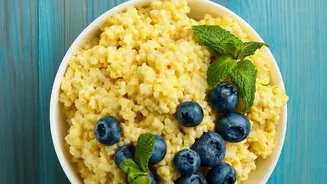
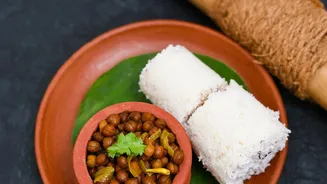
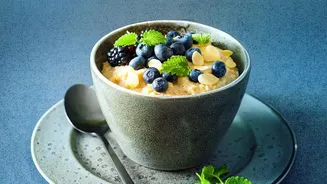
While millet idli is a popular entry point, the versatility of these grains is now being explored in a variety of regional breakfast dishes. Soft, lacy appams made from foxtail millet, crispy kodo millet dosas, and flavourful barnyard millet upma are all becoming part of the weekly rotation in urban kitchens. Each millet variety, from jowar (sorghum) to bajra (pearl millet), brings its own unique texture and nutritional benefits. This allows families to diversify their nutrient intake while rediscovering the rich tapestry of India's regional cuisines. Chefs and home cooks alike are experimenting, proving that millets can be seamlessly integrated into almost any traditional breakfast recipe, enhancing both its flavour and health quotient.
A Mindful Morning Choice
Choosing millet for breakfast is about more than just personal health; it's a conscious lifestyle statement. Millets are known as climate-resilient crops, requiring significantly less water to grow than rice and wheat and being more resistant to pests. By choosing millets, urban consumers are supporting biodiversity and creating demand for crops that are better for the environment and provide livelihoods for small-scale farmers. This shift reflects a growing awareness among city dwellers about the impact of their food choices on the planet and the agricultural economy. It transforms the first meal of the day from a simple routine into a meaningful act that nourishes both the body and a larger ecosystem.