




More Than Just a Festive Flower
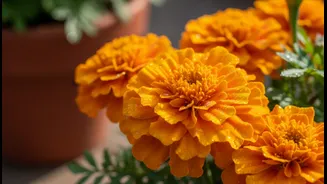
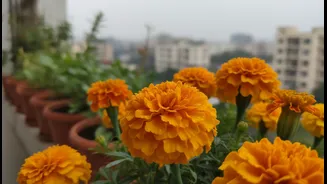
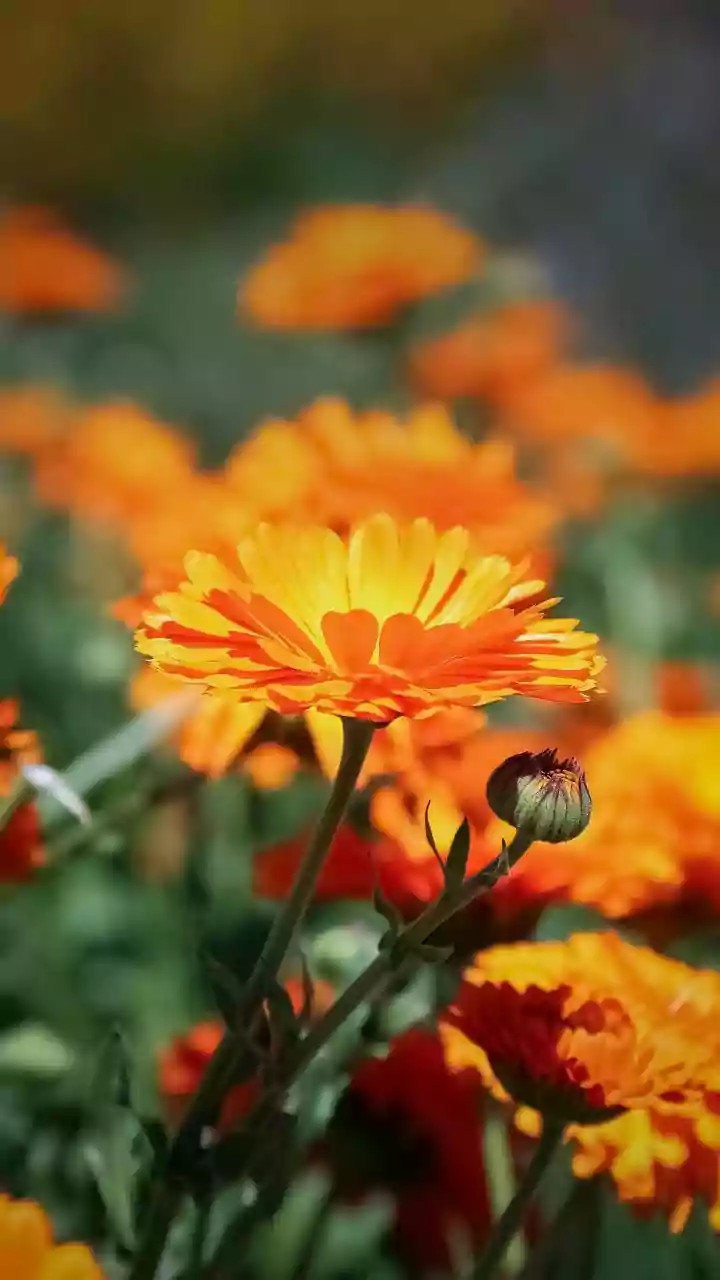
In India, the sight of marigolds—or Genda phool—instantly brings to mind festivals, weddings, and temple offerings. Their brilliant orange and yellow hues are synonymous with celebration and auspicious beginnings. But beyond their deep cultural significance,
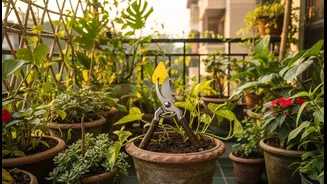
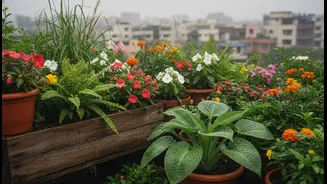
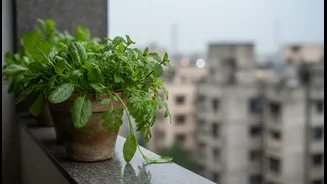
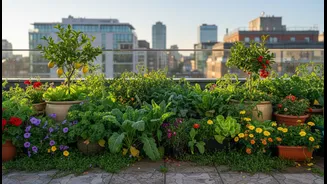
these sunny flowers pack a surprising number of practical benefits, making them an indispensable ally for anyone tending to a kitchen garden on a city balcony, terrace, or windowsill. They are not just beautiful; they are functional, hardworking plants that ask for very little in return.
A Natural Pest Shield for Your Plants
One of the marigold’s greatest superpowers is its ability to act as a natural pest repellent. Many city gardeners struggle with tiny, unseen enemies that sabotage their precious plants. Marigolds, particularly the French varieties (Tagetes patula), release a chemical substance from their roots called alpha-terthienyl, which is toxic to root-knot nematodes. These microscopic worms live in the soil and can cause significant damage to the roots of vegetable plants. Above ground, the flower’s strong, distinctive scent is known to deter common pests like aphids and whiteflies, protecting your vegetable patch without the need for chemical sprays.
The Perfect Companion for Your Veggies
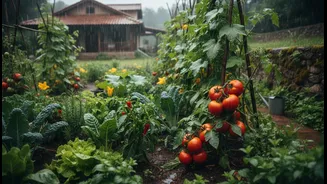
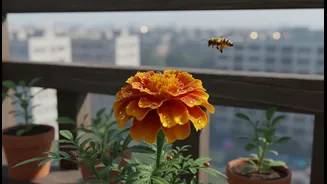
Companion planting is a smart strategy for small-space gardening, and marigolds are the ultimate team players. Planting them alongside your vegetables can lead to healthier, more productive crops. They are especially beneficial for solanaceous vegetables popular in Indian cooking, such as tomatoes, chillies, and brinjal (eggplant), as they help guard against shared pests. By interspersing marigolds in your pots or creating a border around your vegetable beds, you create a protective shield that confuses and repels insects looking for a meal, while also attracting beneficial pollinators like bees and butterflies to help your vegetable flowers set fruit.
Built for the Bustle of City Life
Marigolds are incredibly resilient and low-maintenance, making them perfectly suited for the urban environment. They thrive in full sun and can handle the intense heat of Indian summers, which often proves too much for more delicate flowers. Their tolerance for a range of soil types and their modest water requirements mean you don't have to be a gardening expert to keep them happy. Many varieties, especially French marigolds, have a compact, bushy growth habit that is ideal for pots, railing planters, and hanging baskets, allowing you to add a splash of vibrant colour even in the smallest of spaces.
A Simple Guide to Get Started
Growing your own marigolds is incredibly simple. You can easily start from seeds, which can even be collected from dried flower heads of existing plants. Choose a pot with a drainage hole and fill it with a good quality potting mix; avoid using heavy garden soil which can become compacted. Sow the seeds about a quarter-inch deep, water gently, and place the pot in a spot that receives at least six hours of sunlight. The seeds typically germinate within a week or two. Water the plants when the top inch of soil feels dry, but be careful not to overwater. To encourage bushier growth and more flowers, pinch off the first few buds and regularly remove spent blooms—a practice known as deadheading.