





The Real Cost: Calculating Unit Price
The most fundamental rule of bulk buying is often overlooked: is the larger package actually cheaper per unit? A bigger box doesn't automatically mean better value. To find the true cost, you need to calculate the unit price. This is the price per gram,
per litre, or per item. The formula is simple: divide the total price by the quantity. Many shelf labels now show the unit price, making comparisons easier. Before you commit to a giant container, compare its unit price to that of a smaller package or even a different brand. Sometimes, regular grocery store sales on smaller items can beat the per-unit cost of a bulk purchase.
The Storage Space Equation
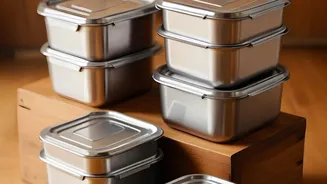
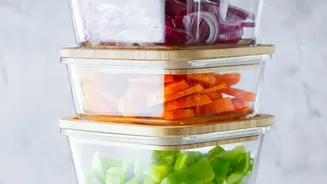
A great deal is only great if you have a place to put it. Before buying, consider your available storage. Do you have enough pantry space, or a cool, dry area to store large bags of rice, flour, or lentils? Storing items improperly can lead to spoilage from humidity, heat, or pests, completely negating any savings. Items like flour, grains, and spices are best transferred from their original packaging into airtight containers to maintain freshness and keep pests out. If your home is short on space, overcrowding your kitchen with bulk purchases can create clutter and stress that outweighs the financial benefit.
The Spoilage Clock Is Ticking
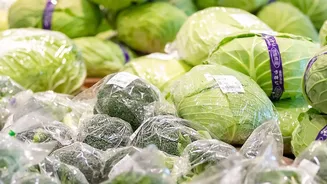
Buying perishable items in bulk is a significant risk. That massive bag of onions or a family-pack of spinach can seem like a bargain, but if you can't use it all before it spoils, you're throwing money away. Even items with a longer shelf life can degrade. Cooking oils can go rancid, ground spices lose their potency after a few months, and even some cleaning products like bleach lose effectiveness over time. Only buy items in bulk if you are certain your household can consume them well before their expiration or spoilage date. For items with a shorter lifespan, consider if you have a plan to freeze or preserve them.
Does It Fit Your Lifestyle?
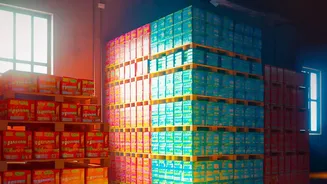
Impulse buys are a major pitfall of warehouse shopping. Just because a jumbo-sized container of snacks is on sale doesn't mean it's a smart purchase for your family. Be honest about your consumption habits. Buying a case of a new drink or a giant bag of a trendy health food you've never tried is a gamble; if your family doesn't like it, it becomes waste. It's wiser to stick to buying staples in bulk that you know you use regularly, like rice, atta, lentils, toilet paper, or toothpaste. For families, consumption rates are key. A large family might easily go through a bulk box of cereal before it goes stale, while a smaller household might not.
When Quality Trumps Quantity
While many bulk items are identical to their smaller counterparts, this isn't always the case. Some brands available only at warehouse clubs may not match the quality you're used to. Furthermore, you might be pushed toward buying a more expensive brand simply because it's the only one available in bulk, negating potential savings you could find with a different brand at a regular store. Don't let the sheer quantity of a product distract you from its quality. It’s better to have a smaller amount of a product you enjoy and trust than a large quantity of something that disappoints.