


The Foundation: A Well-Made Dough
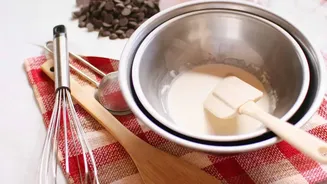
Before we even get to the tawa, the journey to a perfect roti begins with the dough. The goal is a soft, pliable, and smooth consistency. Using lukewarm water helps relax the gluten in the wheat flour, making the dough more elastic. Knead for a solid
8-10 minutes until the dough is smooth and springs back slowly when you press it. Perhaps the most skipped, yet crucial, step is resting. Cover the dough and let it rest for at least 20-30 minutes. This allows the gluten to relax and the moisture to distribute evenly, preventing the rotis from being tough and ensuring they are easier to roll.
Turn Up the Heat
A common mistake that leads to pale and hard rotis is cooking on low heat. A cool or moderately warm tawa will slowly dry out the roti before it has a chance to cook and puff, essentially baking it into a crisp. You need a hot tawa. Heat your cast iron or non-stick tawa on medium-high heat. A good test is to flick a few drops of water on it; if they sizzle and evaporate almost immediately, you're ready to cook. This initial high heat is crucial for the Maillard reaction, which gives the roti its signature brown spots and nutty flavour, and for kickstarting the steam generation needed for it to puff.
Mastering the Clock and the Flip
Cooking a roti is a quick process, and timing is everything. Overcooking is a primary cause of hard rotis. Place the rolled-out roti on the hot tawa. Let the first side cook for only about 15-20 seconds, just until you see small bubbles start to form. Flip it over. The second side should cook a bit longer, for about 30-40 seconds, until light brown spots appear. Avoid the temptation to flip it constantly, as this prevents steam from building up inside. This specific timing helps to seal both surfaces of the roti, trapping the moisture inside.
The Final Puff
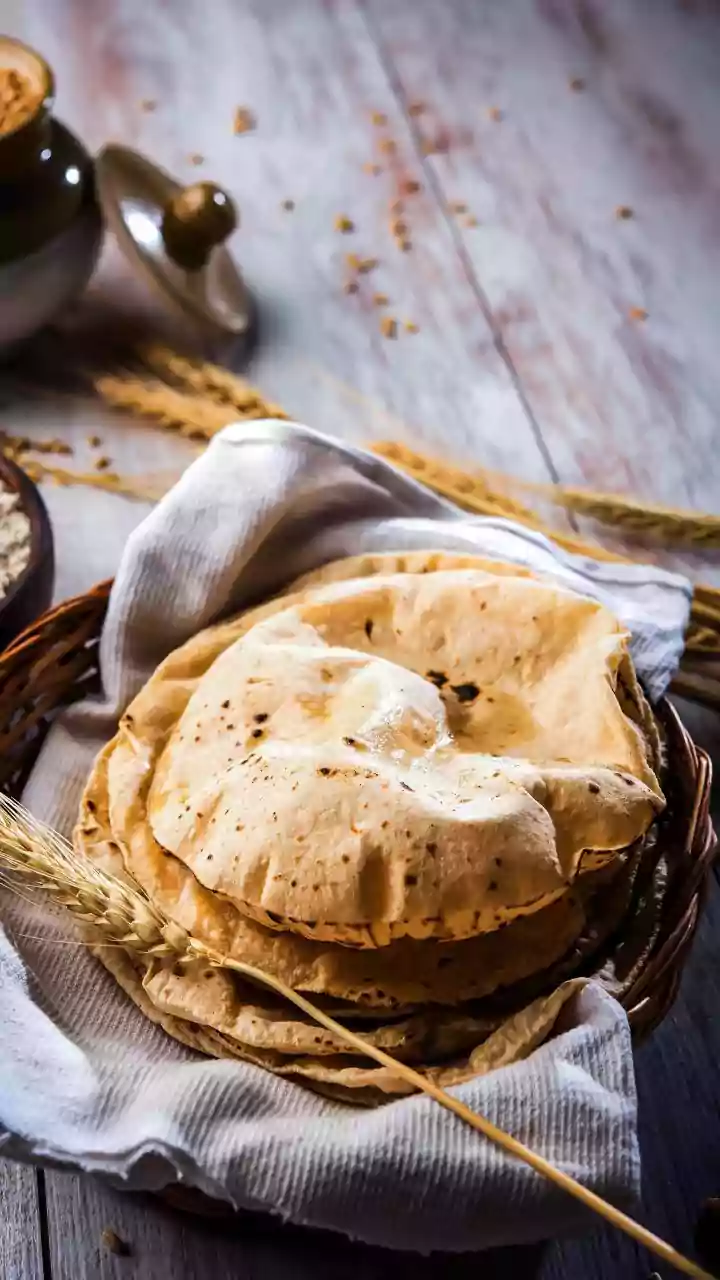
The magic moment where the roti puffs into a perfect balloon is a result of trapped steam expanding. After the second flip (back to the first side), you can gently press the edges with a soft cloth or a spatula to encourage it to inflate on the tawa itself. Alternatively, and for a more traditional result, you can transfer the semi-cooked roti directly onto a high open flame using tongs. The intense, direct heat rapidly converts the internal moisture into steam, causing the roti to puff up instantly. This direct-flame method also imparts a distinct, slightly charred flavour.
Troubleshooting Beyond Pale
If your rotis have dark spots but are still stiff, you might be rolling them too thick or unevenly. An evenly rolled roti cooks uniformly. Another culprit for stiffness can be using too much dry flour (atta) during rolling. The excess flour can burn on the tawa and, more importantly, prevent the roti from getting soft by absorbing its moisture. If your rotis aren't puffing at all, double-check that your tawa is hot enough and that your dough was rested properly. An under-rested dough lacks the elasticity to trap steam effectively.