




The Power of Fermentation
One of the cornerstones of K-beauty innovation is the use of fermented ingredients. Much like in foods such as kimchi and yogurt, fermentation in skincare breaks down natural ingredients like rice, green tea, and yeast into smaller, more potent molecules.
This process not only makes the ingredients easier for the skin to absorb but also increases the concentration of beneficial nutrients like amino acids and antioxidants. Ingredients like Galactomyces Ferment Filtrate and Bifida Ferment Lysate are celebrated for their ability to improve skin texture, enhance radiance, and strengthen the skin's protective barrier. This makes them powerful allies for achieving a healthy glow without causing irritation, which is ideal for sensitive skin types.
Cica: The Soothing Superstar
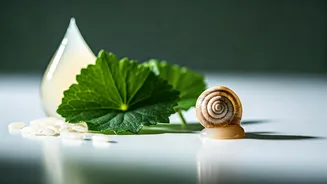
If you have sensitive or irritated skin, you've likely heard of Cica. Also known as Centella Asiatica or Tiger Grass, this herbal ingredient is a hero in the world of gentle care. It is renowned for its powerful anti-inflammatory and healing properties. Cica is rich in compounds that soothe redness, calm irritation from conditions like eczema or acne, and help repair a compromised skin barrier. It also boosts hydration and supports collagen production, which helps improve skin firmness and elasticity over time. Its ability to address multiple concerns at once—from healing breakouts to providing anti-aging benefits—makes it a non-negotiable staple in many K-beauty formulations.
Snail Mucin: Nature's Repair Crew
While it may sound unusual, snail mucin (or snail secretion filtrate) is one of K-beauty's most iconic and effective ingredients. This natural substance is packed with a cocktail of skin-loving components, including hyaluronic acid for hydration, glycolic acid for gentle exfoliation, and allantoin for repair. Collected ethically without harming the snails, this multi-functional ingredient is prized for its ability to moisturize, stimulate collagen production, and accelerate skin healing. It helps fade dark spots, smooth fine lines, and repair a damaged skin barrier. Despite its powerful effects, it is lightweight and suitable for all skin types, including oily and acne-prone skin, as it is non-comedogenic and has antimicrobial properties.
Propolis: The Protective Healer
Another gift from nature, propolis, is a resin-like substance produced by bees to protect their hives. In skincare, it acts as a powerful guardian for your skin. Propolis is celebrated for its potent antibacterial, anti-inflammatory, and antioxidant properties. This makes it an excellent ingredient for fighting acne-causing bacteria, soothing redness and irritation, and protecting the skin from environmental damage. It also supports the skin's natural healing process and helps to strengthen the skin barrier, locking in moisture. Whether you have acne-prone, sensitive, or mature skin, propolis offers a calming and protective touch.
Hanbang: Traditional Wisdom Meets Modern Science
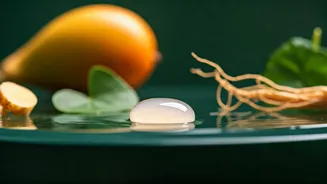
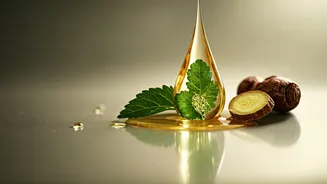
Many Korean beauty products are rooted in 'Hanbang', or traditional Korean herbal medicine. This approach uses time-honored botanical ingredients like ginseng, rice extract, and mugwort, which have been cherished for centuries for their revitalizing and brightening properties. Ginseng, for example, is known for boosting circulation and revitalizing dull skin, while rice water has been used for ages to soften and brighten the complexion. K-beauty innovators combine these traditional extracts with modern scientific formulations to create products that are both effective and grounded in a holistic vision of skin health, proving that sometimes the newest ideas have the deepest roots.