







The Comforting Crunch of a Rainy Day
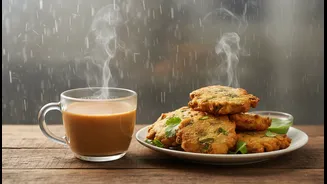
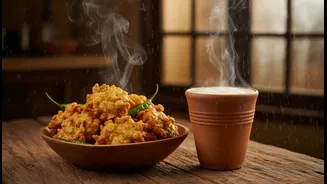
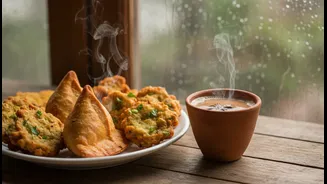
Across India, the arrival of the monsoon is synonymous with a specific set of culinary delights. The undisputed champions are pakoras, bhajiyas, and samosas. These deep-fried snacks, whether made with potato, onion, spinach, or paneer, offer a satisfying
crunch that contrasts perfectly with the damp, cool weather. This craving isn't just in our heads; it has a psychological basis. Rainy weather and a lack of sunlight can lead to a dip in serotonin, our 'happy chemical'. Our brains instinctively seek a boost, which carbohydrate-rich, fried foods can provide, activating reward centers and creating feelings of pleasure and security. This makes that plate of pakoras less of an indulgence and more of a necessity for emotional well-being.
Beyond the Fritter: A Symphony of Flavours
While fried snacks are iconic, the monsoon palate is far more diverse. Consider the humble bhutta, or roasted corn on the cob, a common sight at street-side stalls. Roasted over hot coals and rubbed with lime, salt, and spices, it offers a smoky, tangy, and healthy alternative. Then there’s the universally loved masala chai, often brewed with warming spices like ginger, cardamom, and cloves, which is considered a perfect companion for the season. These foods are not just about taste; they are about nostalgia and associative learning. For many, the smell of rain is inextricably linked to childhood memories of huddling indoors while a parent or grandparent prepared these very treats, cementing them as a form of edible comfort.
The Rise of the Home Café
In recent years, cafés have adeptly tapped into this collective nostalgia, curating special monsoon menus that elevate these home-style classics. They offer gourmet versions of pakoras, artisanal chai blends, and innovative snacks that resonate with our rainy-day cravings. This trend has, in turn, inspired a movement to bring that curated experience home. The post-pandemic era saw a surge in home brewing and creating 'cafe-style' moments in our own living rooms. People began investing in coffee machines, fancy teapots, and creating cosy nooks to replicate the comfort and aesthetic of their favourite local café, making the monsoon an ideal time to indulge in this home-based hospitality.
The Unseen Economic and Social Impact
The headline's promise of 'real impact' extends beyond our kitchens. For thousands of street vendors across the country, the monsoon is a critical business season. The demand for hot, freshly prepared snacks provides a vital source of income. However, it's also a period of significant challenges. Heavy rains can lead to waterlogging, reduced foot traffic, and concerns over food hygiene, creating income instability for these small-scale entrepreneurs who rely on daily earnings. On a social level, preparing and sharing these monsoon foods are rituals that strengthen family bonds and community ties. These meals, passed down through generations, are a way to preserve culinary heritage and share cultural stories.
Crafting the Perfect Monsoon Mood
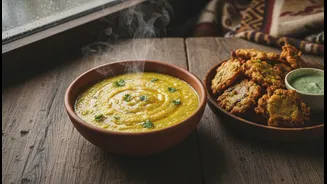
Recreating the cafe experience isn't just about the food; it's about the entire sensory package. The key is to create an atmosphere of warmth and comfort to contrast the grey weather outside. Start with the basics: a steaming cup of adrak chai or a perfectly brewed pour-over coffee. Pair it with a plate of crispy, homemade pakoras, samosas, or even a simple but satisfying bowl of Maggi. But don't stop there. Curate a playlist of relaxing music, find a comfortable spot by a window to watch the rain, and grab a good book. Simple additions like fairy lights or the scent of a candle can transform your space. The goal is to romanticise the moment, turning a simple snack into a cherished seasonal ritual.