


Visby: The Hanseatic Jewel
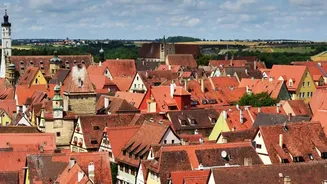
Located on the island of Gotland, Visby is arguably Scandinavia's best-preserved medieval city and a UNESCO World Heritage site. Its most stunning feature is the 3.4-kilometre-long ring wall, a formidable stone fortification from the 13th century that
still encircles the old town. Once a dominant hub in the Hanseatic League, a powerful medieval commercial and defensive confederation, Visby's wealth is evident in the ruins of its many churches and over 200 stone warehouses that have survived for centuries. Walking through its narrow, winding alleys, past rose-adorned cottages and towering church ruins, feels like stepping directly into the Middle Ages. The city's decline in the late medieval period paradoxically ensured its preservation, as economic stagnation meant the old structures were never torn down for new development.
Sigtuna: Sweden's First Town
Founded around 980 AD by King Erik the Victorious, Sigtuna holds the title of Sweden's oldest town. Situated on the shores of Lake Mälaren, it was the country's first capital and the place where the first Swedish coins were minted. While Stockholm later took over its commercial and political importance, Sigtuna's legacy remains profoundly visible. The town boasts the world's highest concentration of runestones, ancient carved stones that serve as memorials from the Viking Age. Visitors can stroll along Stora Gatan, considered Sweden's oldest street, which still follows the same path it did over a thousand years ago. The evocative ruins of several early stone churches, such as St. Peter's and St. Lawrence's, dot the landscape, marking Sigtuna's role as the cradle of Christianity in Sweden.
Lund: A Center of Faith and Learning
The city of Lund, in southern Sweden, was the religious heart of the Nordics during the Middle Ages. Its skyline is dominated by the magnificent Lund Cathedral, a masterpiece of Romanesque architecture consecrated in 1145. At the time, Lund was part of Denmark, and its cathedral served as the seat of the archbishop for all of Scandinavia. The city had dozens of churches and monasteries, establishing it as a major ecclesiastical power. The cathedral itself is a treasure trove of medieval art and curiosities, including an incredible astronomical clock from the 1420s and a crypt with columns tied to the legend of the giant Finn. While now a vibrant university city, Lund's medieval street plan and the cathedral's imposing presence are constant reminders of its historical significance.
Stockholm: The Old Town (Gamla Stan)
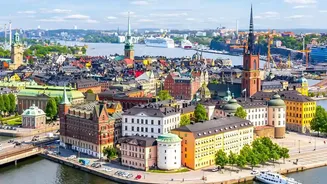
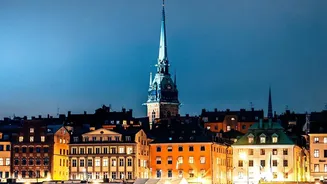
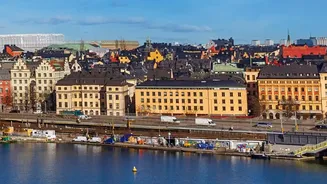
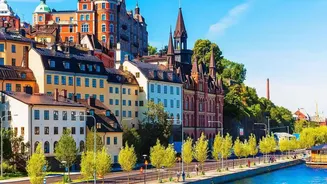
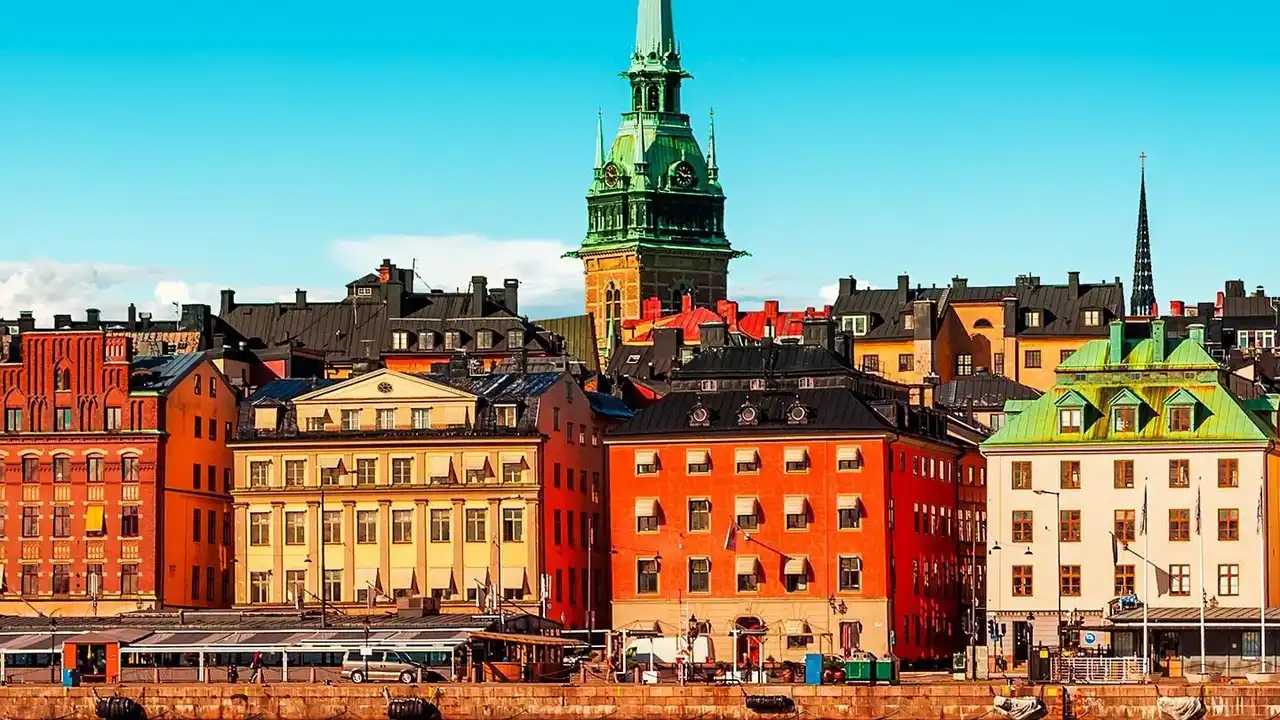
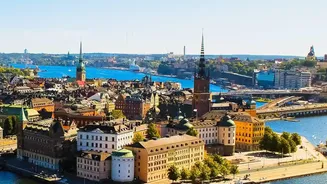
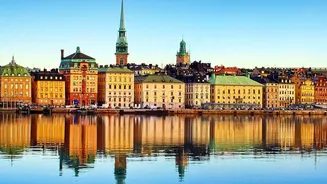
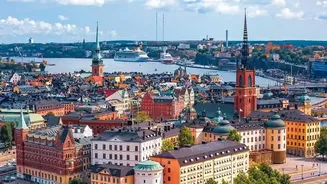
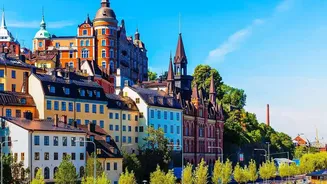
While Stockholm is a bustling modern capital, its heart, Gamla Stan, is a beautifully preserved medieval town founded in 1252. Located on a small island, its labyrinthine network of narrow, cobbled streets and colourful, leaning buildings date back to the 13th to 17th centuries. The main square, Stortorget, is framed by iconic merchant houses and was the site of the infamous Stockholm Bloodbath of 1520. Despite being a major tourist hub, early mornings or late evenings in Gamla Stan reveal its authentic atmosphere, with quiet alleys like Mårten Trotzigs Gränd—the city's narrowest street at just 90 centimetres wide. It’s a living museum where medieval history coexists with modern life, home to the Royal Palace, Stockholm Cathedral, and countless hidden courtyards.
Ystad: Coastal Charm and Cobblestones
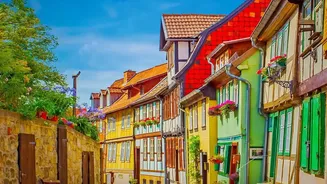
On Sweden's southern coast lies Ystad, a charming port town with an exceptionally well-preserved medieval core. The town's layout has remained largely unchanged since the Middle Ages, and visitors can wander through a picturesque landscape of over 300 half-timbered houses and cobblestone streets. Key historical sites include the impressive St. Mary's Church (Sankta Maria Kyrka), which dates to the 13th century, and the Greyfriars Abbey (Gråbrödraklostret), one of Sweden's best-preserved medieval monasteries, founded in 1267. Ystad was an important member of the Hanseatic League and its history is tied to the bustling herring trade of the medieval Baltic Sea. For modern audiences, the town is also famously the atmospheric setting for Henning Mankell's 'Wallander' detective novels.