







How They Are Made: A Tale of Two Processes
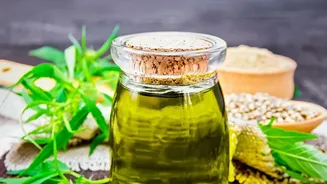
The fundamental difference between cold-pressed and refined oils lies in their extraction process. Cold-pressed oils are made by simply crushing seeds or nuts and forcing out the oil through pressure. This mechanical, low-temperature method, often called
'kachchi ghani' or 'wood-pressed', ensures that the oil retains its natural flavour, aroma, and, most importantly, its nutritional compounds like antioxidants and vitamins. Refined oils, however, are produced on an industrial scale. The process involves high heat and chemical solvents, like hexane, to extract the maximum amount of oil. This is followed by further stages of bleaching to lighten the colour and deodorising to create a neutral flavour. While this method increases the oil's shelf life and stability, it strips away many of the beneficial nutrients, including vitamins and antioxidants.
The Nutritional Divide
Because of their gentle extraction, cold-pressed oils are nutritionally superior. They are rich in essential fatty acids, antioxidants like vitamin E, and other micronutrients that are naturally present in the seed. These components are vital for fighting inflammation and cellular damage in the body. For example, a significant amount of the antioxidant content can be lost during the refining process, making cold-pressed oils a better choice for overall wellness. Refined oils, on the other hand, are often described as providing 'empty calories'. The high-heat processing not only removes vitamins but can also alter the chemical structure of the fats. Sometimes, this can lead to the formation of trans fats, which are known to be detrimental to heart health by raising bad LDL cholesterol levels. Furthermore, many refined oils have an imbalanced ratio of omega-6 to omega-3 fatty acids, which can contribute to inflammation in the body.
The Heat is On: Smoke Point and Daily Cooking
This is where refined oils often claim an advantage. The smoke point is the temperature at which an oil begins to break down and produce visible smoke. Exceeding this temperature not only ruins the flavour but also releases harmful free radicals. Refined oils generally have a higher smoke point because the impurities that burn at lower temperatures have been removed. This makes them seem suitable for high-heat cooking methods like deep frying. However, many common Indian cold-pressed oils have smoke points that are perfectly adequate for daily cooking. Cold-pressed mustard oil, for instance, has a relatively high smoke point, making it suitable for frying. Cold-pressed groundnut and sesame oils are also robust enough for sautéing and 'tadkas'. The key is to match the oil to the cooking method. For low-heat sautéing, dressings, and drizzling over finished dishes, flavourful cold-pressed oils are ideal.
The Heart of the Matter: Which Is Better?
For heart health, the evidence points towards cold-pressed oils. Their high antioxidant content and healthy fats help protect against oxidative stress and may support balanced cholesterol levels. The minimal processing ensures you are getting the oil in its most natural form, free from chemical residues and harmful trans fats that can be created during refining. Regular consumption of refined oils has been associated with an increased risk of cardiovascular issues, largely due to the high processing and potential for creating unhealthy compounds. Popular cold-pressed options for Indian kitchens include mustard, coconut, groundnut, and sesame oil. Each offers a unique flavour profile and set of health benefits. Mustard oil is rich in omega-3s, while coconut oil contains easily digestible medium-chain triglycerides.