




The Giant Returns
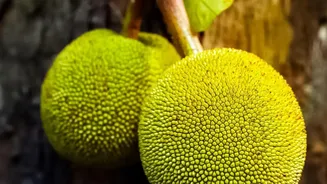
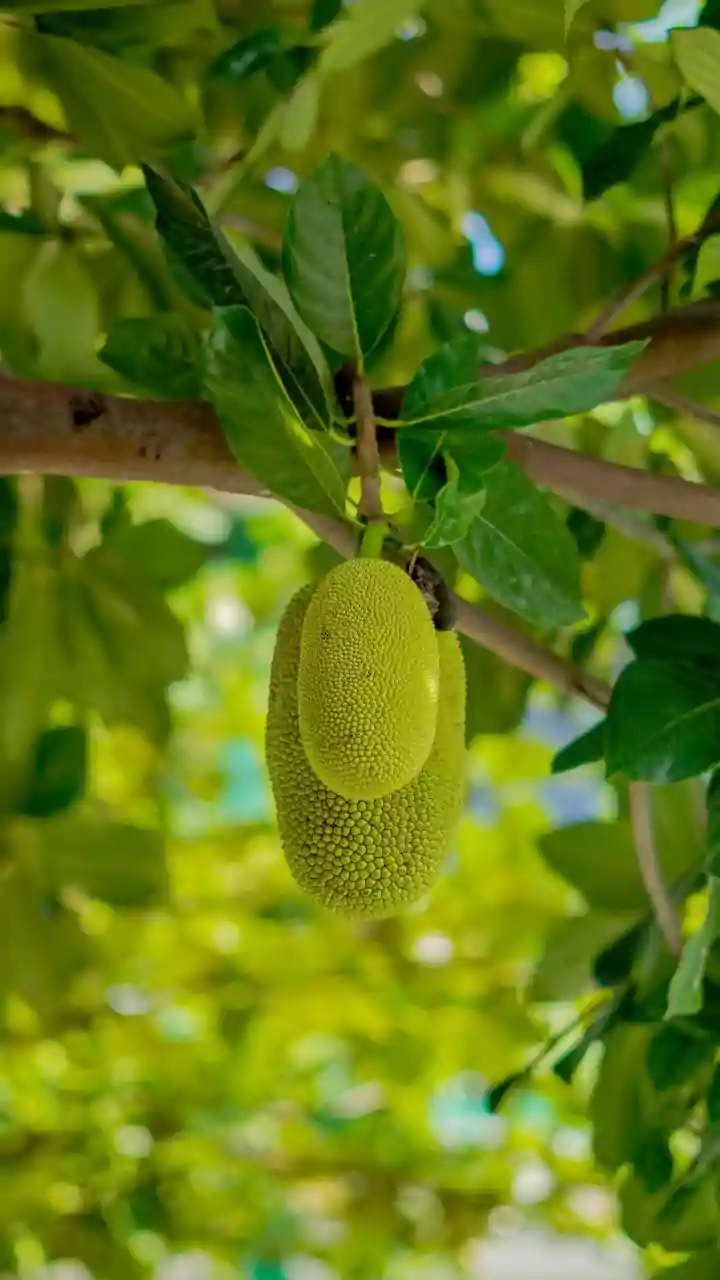
For generations in Kerala, the jackfruit, or 'chakka', was an omnipresent part of life. Native to the Western Ghats, this largest of all tree-borne fruits grew abundantly in backyards, serving as a reliable food source, especially during the monsoon season.
Historically viewed as a 'poor man's fruit', it was a staple that saw families through times of scarcity. However, with rising prosperity and the availability of other foods, the cumbersome and sticky task of preparing jackfruit led to its decline in popularity. It became a symbol of a bygone era, often left to ripen and fall, its potential untapped. But now, a significant shift is underway. A renewed appreciation for local, sustainable, and nutritious food is putting the jackfruit back on the dining table, not as a substitute, but as a star ingredient.
A Nutritional Powerhouse
A major driver of this revival is the growing awareness of jackfruit's impressive health benefits. The fruit is a treasure trove of nutrients, including vitamin C, potassium, and dietary fibre. It is also one of the rare fruits rich in B-complex vitamins like B6. The unripe green jackfruit, in particular, is gaining attention for its low glycemic index, making it a promising dietary addition for managing blood sugar levels—a significant factor in a state with high rates of diabetes. Its high fibre content aids digestion and promotes gut health, while antioxidants like flavonoids may help fight inflammation. The Kerala government has even taken note, launching initiatives to promote jackfruit as a health food and brand it for markets worldwide, moving it from a humble backyard fruit to a celebrated superfood.
From Traditional Curries to Modern Cafes
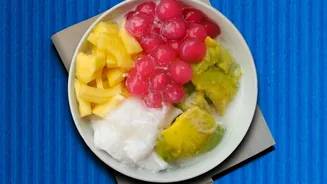
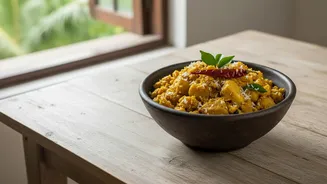
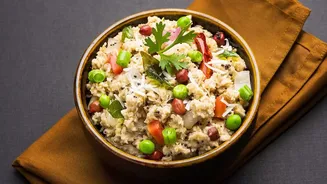
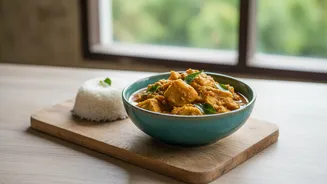
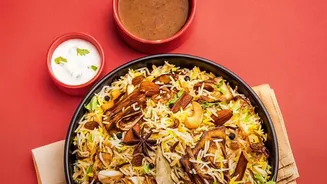
The culinary versatility of jackfruit is at the heart of its resurgence. Traditional dishes that have been cherished in homes for centuries are finding a new audience. Raw jackfruit is the base for comforting dishes like 'Chakka Puzhukku', a hearty mash cooked with coconut and spices, often paired with a spicy fish curry. 'Idichakka Thoran', a stir-fry made from tender jackfruit, is another classic. Ripe jackfruit is transformed into 'Chakka Varatti', a rich, dark jam that forms the base for the decadent payasam (dessert). But the innovation doesn't stop there. Chefs and home cooks are now experimenting with modern interpretations. The fibrous texture of unripe jackfruit makes it an excellent plant-based meat substitute, leading to the creation of jackfruit burgers, biryanis, and cutlets. Crispy 'Chakka 65', a spicy fried snack inspired by the popular chicken dish, is another new favourite, showcasing how the fruit can be adapted to contemporary tastes.
An Eco-Friendly and Economic Choice
Beyond its health and culinary appeal, the jackfruit revival is also rooted in sustainability. The jackfruit tree is remarkably resilient, requiring minimal care, and is resistant to both pests and drought. A single tree can yield over a hundred fruits annually, making it a highly productive and low-impact crop. With an estimated annual production of over 14 lakh tonnes in Kerala, there is enormous potential to reduce food waste by finding new uses for the surplus fruit. Recognizing this, government bodies like the Jackfruit Promotion Council and agricultural universities are actively working to improve cultivation, processing, and marketing. By creating value-added products like jackfruit flour, chips, and vacuum-fried snacks, they aim to boost the income of local farmers and create a sustainable economic model around this once-underestimated fruit.