








The End of Jumbled Voice Memos
For years, voice notes have been a digital junk drawer for the mind. They are perfect for capturing fleeting thoughts on the go, but terrible for retrieval and action. The effort required to listen back, transcribe, and organise the key points often means
our best ideas remain trapped in an audio file. Google is now tackling this problem head-on with an intelligent update to Google Keep, its note-taking application, powered by the AI formerly known as Workspace AI (now part of the Gemini family). The premise is simple but powerful: what if your note-taking app could understand your voice memo and do the organising for you?
From Spoken Idea to Actionable List
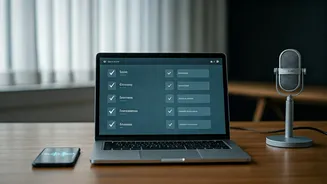
The new feature works with seamless simplicity. When you record a voice note in Google Keep on your mobile device, the app doesn't just save the audio. In the background, its AI engine automatically transcribes your speech into text. But the real magic happens next. The AI analyses the content of your transcription, identifies potential tasks, and presents you with a button: “Add to list.” With a single tap, your rambling monologue about groceries, project deadlines, and a reminder to call your mother is transformed into a neat, clean checklist. Each item is separated, formatted, and ready to be checked off. This eliminates the manual, tedious step of processing your own brain dumps.
Why This Is a Game-Changer
This might seem like a small tweak, but it represents a significant shift in how we interact with productivity software. It reduces the 'capture tax'—the friction between having an idea and getting it into a system where it can be acted upon. Professionals juggling multiple projects can now dictate a stream of consciousness during their commute and find a structured task list waiting for them at their desk. For creative individuals, it means brainstorming sessions are no longer lost to unwieldy audio files. The AI acts as a personal secretary, listening patiently and noting down the important bits without judgment or fatigue. It makes the process of capturing and organising information feel more natural and less like a chore.
Availability and Who Gets It
This AI-powered feature is rolling out to Google Workspace customers who have the Gemini for Google Workspace add-on. This includes various business and enterprise tiers. Initially, it's available on Android and iOS mobile devices for users with their language set to English in the US. While this might seem limited at first, Google has a history of gradually expanding its AI features to wider audiences and more languages over time. If you’re a Workspace user, it’s worth checking your Google Keep app for the new transcription and list-creation prompts on your voice notes. For personal Google account users, this feature signals the direction Google is heading, and it’s likely that similar capabilities will eventually trickle down.
The Bigger Picture: Ambient AI
This Google Keep update is a prime example of a broader trend in technology: ambient computing. The goal is to have AI work for you in the background, making your digital environment smarter and more responsive without requiring constant, direct commands. Instead of you having to learn the software’s rules, the software is learning to understand your natural behaviour. By interpreting unstructured speech and converting it into structured data, the AI is doing the heavy lifting of organisation. It’s a small but meaningful step toward a future where our tools don’t just store information, but actively help us make sense of it.