






First, What Counts as 'Ultra-Processed'?
Not all packaged food is 'ultra-processed'. The term comes from the NOVA classification system, which groups foods by their level of processing. Ultra-processed foods (UPFs) are in Group 4. These aren't just foods with added salt, sugar, or oil. They
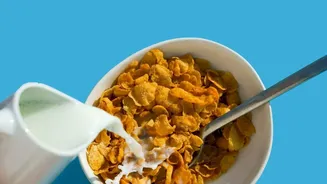
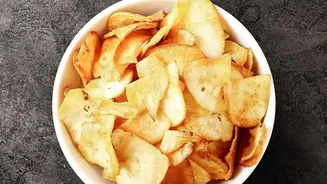
are industrial formulations, typically with five or more ingredients, including additives not used in home cooking like emulsifiers, artificial flavours, and colourings. Think instant noodles, packaged snacks and biscuits, sugary breakfast cereals, and fizzy drinks. In India, this category includes many popular items like packaged namkeen, instant curry mixes, and frozen ready-to-fry snacks. The goal of this processing is often to create hyper-palatable, convenient, and long-lasting products.
The Established Health Concerns
For years, a growing body of evidence has linked high consumption of UPFs to a range of health problems. A major review in 2024, covering nearly 10 million people, found convincing evidence that higher UPF intake was associated with a roughly 50% increased risk of death from cardiovascular disease and up to a 53% higher risk of anxiety and common mental disorders. Highly suggestive evidence also pointed to a greater risk of obesity, type 2 diabetes, sleep problems, and death from any cause. These foods are often high in added sugar, unhealthy fats, and salt, while being low in essential nutrients like fibre and vitamins. This combination can lead to weight gain, high blood pressure, and inflammation, which are precursors to many chronic diseases.
So, What Does the New Research Add?
Recent studies are digging deeper, looking not just at the poor nutritional profile of UPFs, but at the processing itself. A June 2026 study from Tufts University suggested that industrial processing may play an independent role in health risks. The researchers found that even after accounting for nutritional quality, higher UPF consumption was linked to worse health markers like higher body weight and poorer blood sugar control. The study’s author noted that factors like changes to food's cellular structure, additives, and even chemicals from packaging could be contributing to health risks. Furthermore, a July 2026 modelling study suggested that reducing UPF intake could prevent a significant number of heart disease cases and deaths. Another startling piece of research from August 2026 revealed that four out of five toddler foods sold in grocery stores are ultra-processed, potentially establishing unhealthy eating habits from a very young age.
How to Spot UPFs in Your Own Kitchen
Identifying UPFs is easier than you think. The key is to read the ingredient list, not just the nutrition facts on the front of the pack. Look for a long list of ingredients, especially ones you don't recognise or wouldn't use in your own kitchen. Telltale signs include various forms of sugars (like high-fructose corn syrup), modified starches, hydrogenated oils, protein isolates, and additives like flavour enhancers, colourings, and emulsifiers. Remember, not all processing is bad. Minimally processed foods like bagged spinach, canned beans, or frozen vegetables are different. The issue with UPFs is the industrial-scale modification and the cocktail of synthetic ingredients.
A Realistic Approach to Your Diet
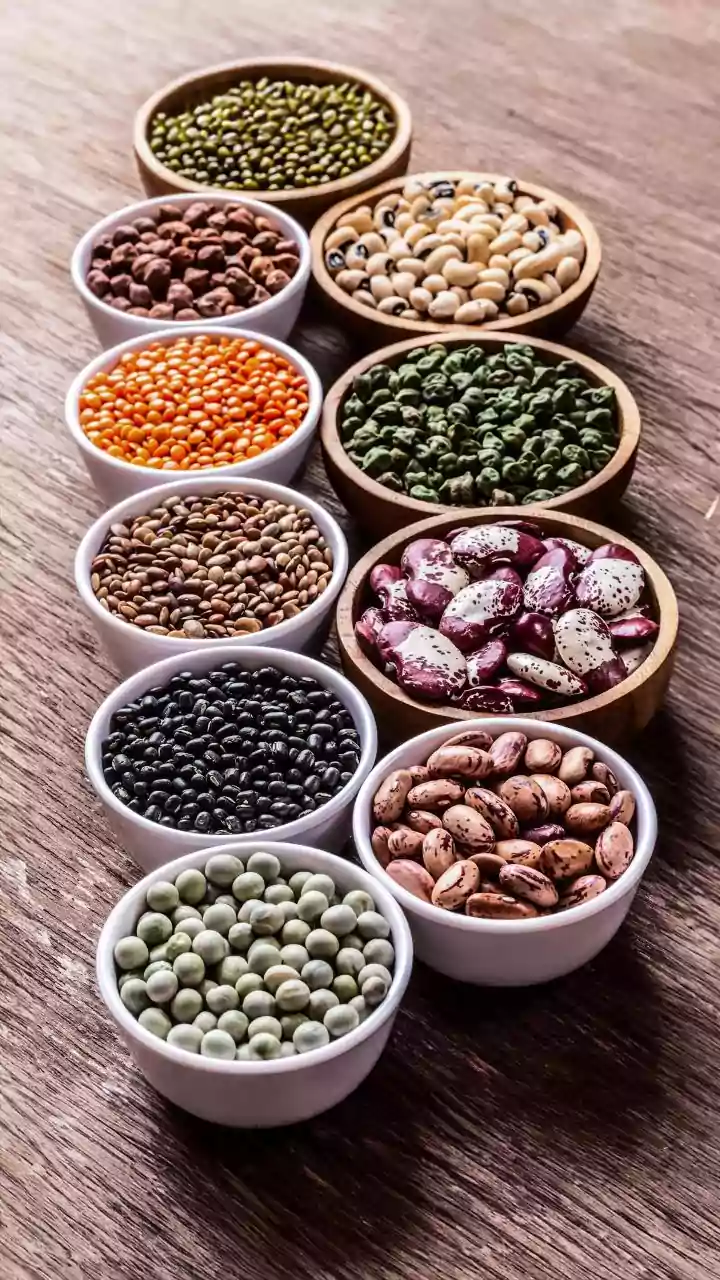
The message from researchers isn't about achieving a perfectly 'clean' diet or feeling guilty about the occasional convenience meal. The goal is reduction, not necessarily total elimination. Start by aiming to increase the proportion of whole or minimally processed foods in your diet—things like fresh fruits and vegetables, whole grains, dals, and lean proteins. Try swapping a packaged breakfast cereal for oatmeal or poha made from scratch. Instead of a ready-made curry paste, try making your own with fresh spices. Small, consistent changes are more sustainable and can have a significant positive impact on your long-term health. Awareness of what you're eating is the most powerful first step.