





Fabric First: Your Best Defence
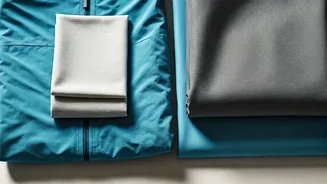
The golden rule of monsoon dressing is to choose your fabrics wisely. Heavy materials like thick cotton, denim, and linen are best avoided as they absorb water, become heavy, and take ages to dry. Instead, lean into lightweight and quick-drying options.
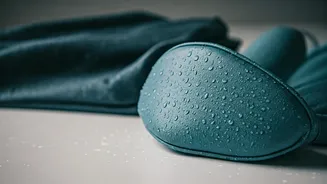
Synthetic fabrics like polyester and nylon are excellent as they repel water, keeping you dry during a sudden shower. For those who prefer natural fibres, cotton blends are a smart compromise; they offer the breathability of cotton but dry much faster thanks to the synthetic mix. Other great choices include crepe, rayon, and georgette, which are known for their flowy drape and resistance to clinging even in high humidity. These materials ensure you stay comfortable, prevent skin issues, and won't leave you feeling damp and sticky.
Smart Silhouettes for Splashy Streets
The cut of your clothes is just as important as the fabric. To avoid dragging your hems through muddy puddles, think shorter lengths. Cropped pants, culottes, and ankle-length trousers are your best friends this season. Similarly, midi skirts and dresses offer an elegant yet practical alternative to long, flowing garments that can easily get soaked and stained. For tops, consider sleeveless styles or short kurtis that allow for better air circulation. The 2026 trend leans towards relaxed, comfortable silhouettes like co-ord sets and breezy dresses that don't restrict movement and look effortlessly put-together. The key is to minimise fabric contact with wet streets while maximising comfort and style.
A Pop of Colour for Gloomy Days
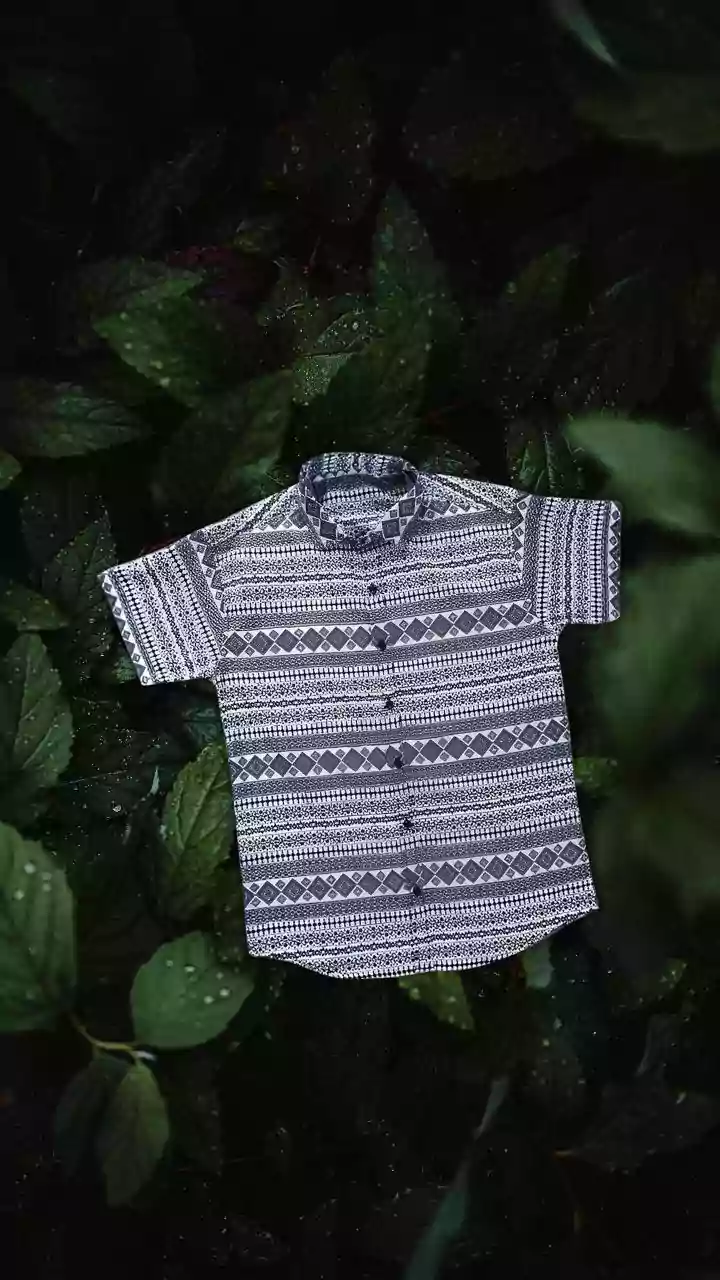
While grey skies might tempt you to reach for muted tones, monsoon is the perfect time to embrace a vibrant colour palette. Bright hues like sunshine yellow, cobalt blue, and hot pink can instantly lift your spirits and make you stand out. Bold colours and playful prints are also practical, as they are more forgiving when it comes to hiding inevitable mud splashes and water spots. If you're wary of going all-out, darker shades like navy, olive green, and terracotta are stylish choices that effectively camouflage stains. A key piece of advice is to steer clear of whites and light pastels, which can become transparent when wet and are unforgiving with stains.
Footwear That Fights the Flood
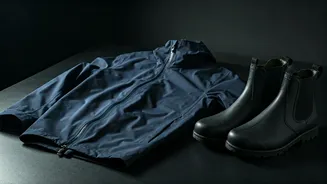
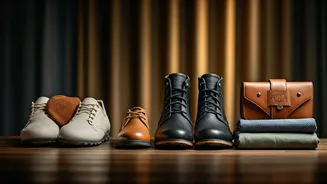
The wrong footwear can ruin your day, your outfit, and your feet during the monsoon. Leather, suede, and canvas shoes are a definite no-go as they get damaged by water and can lead to fungal infections. Instead, invest in waterproof and quick-drying options. Rubber sandals, stylish jelly flats, and EVA foam clogs are excellent choices for daily commutes, offering grip and easy-to-clean practicality. For a more covered option, look for waterproof sneakers or rain boots. Modern rain boots are no longer just functional; they come in chic designs and colours that can elevate your look. The best monsoon footwear provides good grip on slippery surfaces and allows your feet to dry quickly.
Accessorise with Intention
Accessories complete a look, but during the monsoon, they must be functional. Your bag is the first line of defence for your essentials. Opt for a waterproof tote or a stylish backpack made from nylon or PVC to keep your phone, wallet, and other belongings safe and dry. When it comes to jewellery, less is more. Choose minimalist, tarnish-free pieces over heavy metal or traditional items that can be damaged by moisture. Of course, a sturdy, compact umbrella and a lightweight, stylish raincoat or trench coat are non-negotiable essentials. The 2026 trends see raincoats becoming a fashion statement, with bold colours and tailored silhouettes that you'll want to wear even when it's not raining.
Caring for Your Monsoon Wardrobe
Monsoon clothing care is crucial to prevent musty smells and mildew. Don't let wet or damp clothes sit in a laundry basket; hang them up to air out as soon as possible. Wash smaller loads to allow for better cleaning and faster drying. When drying indoors, ensure good ventilation by using a fan or placing a drying rack near a window. Adding a few drops of essential oil or white vinegar during the rinse cycle can help neutralise damp odours. To combat humidity inside your cupboards, use moisture absorbers like silica gel packs or even natural options like neem leaves.